
The short answer
Sabah’s 2025 election produced a divided assembly rather than a standalone mandate. GRS won the largest bloc with 29 seats, Warisan won 25 and seven smaller labels divided the remaining nineteen. Warisan narrowly led the popular vote, but Hajiji Noor assembled broader support, began a second term and appointed a cabinet spanning GRS, UPKO, BN and PH.
Results at a glance
Seats and votes in the 2025 Sabah election
GRS won the largest seat total, while Warisan received the most votes. Seven other labels shared nineteen seats, preventing either leading party from reaching a majority.
| Official label | Seats won | Share of 73 seats | Votes and valid-vote share |
|---|---|---|---|
| GRS | 29 | 39.7% | 286,389 · 25.4% |
| Warisan | 25 | 34.2% | 288,703 · 25.6% |
| Barisan Nasional | 6 | 8.2% | 144,584 · 12.8% |
| Independent | 5 | 6.8% | 69,771 · 6.2% |
| UPKO | 3 | 4.1% | 64,471 · 5.7% |
| STAR | 2 | 2.7% | 73,410 · 6.5% |
| Pakatan Harapan | 1 | 1.4% | 75,938 · 6.7% |
| Perikatan Nasional | 1 | 1.4% | 41,584 · 3.7% |
| KDM | 1 | 1.4% | 54,050 · 4.8% |
Chronology
A timeline of the turning points
STAR and SAPP leave GRS
Two component parties chose to contest independently after disagreements over electoral cooperation and the number of seats offered to them.
The Sabah assembly is dissolved
Dissolution ended the legislature elected in 2020 and opened the formal campaign for Sabah’s seventeenth state election.
UPKO leaves Pakatan Harapan
The regional party withdrew from PH and entered the election under its own label, further widening the field of competing Sabah-based organisations.
A record 596 candidates are nominated
Twenty-three parties and independent candidates produced contests ranging from four to fourteen candidates in every constituency.
Early voting takes place
Police, military personnel and eligible spouses voted at 58 early-voting centres before the statewide poll.
GRS wins the largest bloc with 29 seats
Warisan won 25, while seven other labels divided the remaining nineteen seats; no party reached the 37-seat majority line.
Hajiji Noor is sworn in for a second term
The Yang di-Pertua Negeri appointed the GRS chairman after he assembled support beyond his coalition’s 29 winners.
A multi-party state cabinet is appointed
Seven GRS assembly members and one each from UPKO, BN and PH entered the cabinet.
Post-election research finds continued fragmentation
ISEAS analysis described GRS’s result as defensive rather than a GPS-style consolidation of regional power.
Who won the 2025 Sabah state election?
Gabungan Rakyat Sabah won 29 of the 73 elected seats, making it the largest bloc but leaving it eight short of the 37 required for a simple majority. Warisan finished second with 25 seats.
Barisan Nasional won six, independent candidates five, UPKO three and STAR two. Pakatan Harapan, Perikatan Nasional and Parti Kesejahteraan Demokratik Masyarakat won one seat each.
The election result did not by itself give any party the right to govern alone. Government formation depended on which leader could demonstrate majority confidence after the count, and GRS chairman Hajiji Noor secured enough support to be appointed again on 30 November.
How were all 73 seats divided?
GRS and Warisan together won 54 seats, but the remaining nineteen were divided among seven labels. This made the smaller parties and independents potentially important to government formation even though no third group approached the two leading blocs.
The five independent victories were the largest independent contingent in the initial result. UPKO won Kadamaian, Tamparuli and Moyog; STAR held Tambunan and won Bingkor; PH, PN and KDM each converted only one of their many candidacies into a seat.
The table below uses the official election labels. It does not retroactively assign winners to later governing arrangements or coalition memberships, which changed after polling day.
Why did no party win a majority?
The ballot included 596 candidates from 23 parties plus independents—more than eight candidates per seat on average. Every constituency had at least four candidates, and Tulid had fourteen.
Several organisations competed for similar regional, community and reform-minded voters. STAR and SAPP had left GRS, UPKO had left PH, and BN and PH did not transfer their federal cooperation into a single Sabah electoral label.
ISEAS analysis found different leaders across constituency types: GRS performed better in many Muslim-bumiputera seats, Warisan remained strong on the east coast and in urban mixed areas, and non-Muslim-bumiputera contests were especially fragmented. No bloc achieved cross-regional dominance.
How strong was the GRS result?
GRS won 29 of the 55 seats it contested, a strike rate of 52.7 percent. Hajiji retained Sulaman by 8,919 votes, while senior figures including Joachim Gunsalam and Masidi Manjun also returned.
The coalition’s 29 seats were nine fewer than the 38 won under the much broader GRS umbrella in 2020. That comparison requires caution: the earlier figure included PN, BN and PBS, whereas the 2025 GRS label represented a narrower registered coalition after STAR and SAPP had left.
ISEAS characterised the outcome as defensive rather than expansive. Incumbency, candidate appeal and opposition vote-splitting preserved first place, but 29 seats and 25.4 percent of valid votes did not amount to a dominant statewide mandate.
Did Warisan win the popular vote?
ElectionData records 288,703 votes for Warisan and 286,389 for GRS. Warisan therefore led the two largest labels by 2,314 votes and 0.2 percentage points, while winning four fewer seats.
First-past-the-post awards each constituency separately. Warisan won majorities in east-coast strongholds and swept several urban seats, but some of those victories accumulated votes that could not affect outcomes elsewhere.
Shafie Apdal retained Senallang by 6,837 votes, and Warisan won 25 of the 73 seats it contested. Its result established the party as the principal opposition, but the absence of an agreed majority coalition kept Shafie from returning as chief minister.
What happened to national coalitions?
BN won six of the 45 seats it contested and 12.8 percent of valid votes. It remained relevant to post-election arithmetic but was far below the 29 seats won by the old BN structure in 2018 and the fourteen it secured inside the 2020 GRS umbrella.
PH won only Melalap from 22 contests despite participating in the federal government. PN won Karambunai from 42 contests. Together, BN, PH and PN held eight seats at the initial count.
Their performance reinforced the importance of regional labels, but it did not remove federal influence. Sabah’s government still required working relationships with national parties, and BN and PH each received a place in the cabinet formed after the election.
Why did local parties and independents matter?
GRS, Warisan, UPKO, STAR and KDM are Sabah-rooted labels, and independent candidates are not components of national coalitions. Together they won 65 of 73 seats at the initial result.
That total did not represent one unified “Sabah First” bloc. These parties competed against one another in many constituencies, disagreed over leadership and federal alignment, and offered overlapping claims to regional autonomy and delivery.
Five independent wins further demonstrated the weight of local candidate networks. Several independents later supported the government or received executive roles, but their election label should remain separate from any post-election affiliation.
What was turnout in the 2025 Sabah election?
ElectionData records 1,148,476 ballots issued from an electorate of 1,784,843, producing turnout of 64.3 percent. This was lower than the pandemic-era 66.6 percent recorded in 2020.
The electorate had grown by roughly 660,000 since 2020, largely in the period after automatic voter registration and the lowering of the voting age to eighteen. Candidate supply grew even faster, from 447 contestants in 2020 to 596 in 2025.
Turnout varied widely between constituencies. The official Election Commission infographic records Sulaman at the top of ordinary-voter turnout with 79.41 percent, while several urban and east-coast seats were below 50 percent.
How did Hajiji Noor form the new government?
GRS’s 29 seats required at least eight additional elected supporters to reach 37. UPKO publicly backed Hajiji, and discussions with PH, BN, independents and other winners produced a broader support arrangement.
Yang di-Pertua Negeri Musa Aman appointed Hajiji with effect from 30 November. The Sabah State Gazette records the constitutional appointment, while the speed of the ceremony reflected the support claims assembled during the hours after results were completed.
The cabinet sworn in on 1 December contained seven GRS assembly members and one each from UPKO, BN and PH. Joachim Gunsalam, Masidi Manjun and Ewon Benedick became the three deputy chief ministers, making the executive visibly broader than GRS alone.
What did the result change in Sabah politics?
The election returned Hajiji but weakened the idea that one regional coalition had consolidated Sabah in the way GPS had consolidated Sarawak. GRS remained first, Warisan remained close, and smaller regional actors retained leverage.
It also separated three questions that are often confused: which label won the most seats, which leader could form a majority government and which parties later joined a formal coalition. GRS won the largest bloc, a wider alliance sustained the government and UPKO joined GRS only in 2026.
The resulting system remained transactional and fluid. Sabah-based parties dominated the elected map, yet governing stability continued to depend on negotiation among local rivals, federal partners and individual assembly members.
Continue the chronology
Related history guides
STAR Sabah: History and Elections
Understand the former GRS component that won Tambunan and Bingkor before staying outside government.
Read the timeline1994–presentUPKO Sabah: History and Elections
See how UPKO left PH, won three seats and moved from post-election support into GRS.
Read the timeline2016–presentParti Warisan Sabah: History and Elections
Trace the party that won 25 seats and narrowly led the statewide vote in 2025.
Read the timeline26–29 September 2020The 2020 Sabah State Election
Compare the broad 38-seat GRS umbrella with the narrower registered coalition that contested in 2025.
Read the timeline2020–presentGabungan Rakyat Sabah: History and Parties
Follow GRS from its first election through registration, member exits and UPKO’s 2026 entry.
Read the timeline1963–presentChief Ministers of Sabah: Complete List
Place Hajiji’s second term inside Sabah’s complete leadership chronology.
Read the timeline1952–presentMalaysia’s Political Parties Explained
Distinguish election labels, registered coalitions and post-election government support.
Read the timeline1955–presentHow Malaysia’s Elections Work
Understand why a popular-vote lead and the largest seat bloc answer different questions.
Read the timeline2018–presentGabungan Parti Sarawak: History and Parties
Compare Sabah’s fragmented result with Sarawak’s more consolidated regional coalition.
Read the timelineBiography context
Explore Sabah, Malaysia through connected lives
Influential People from Sabah
Read the biographies of Hajiji Noor, Shafie Apdal, Ewon Benedick and other election leaders.
Explore the biographiesCountry archiveExplore Malaysia
Connect the state result to Malaysia’s federal institutions, coalitions and national leaders.
Explore the biographiesConnected biographies
Eleven biographies connected to the 2025 election
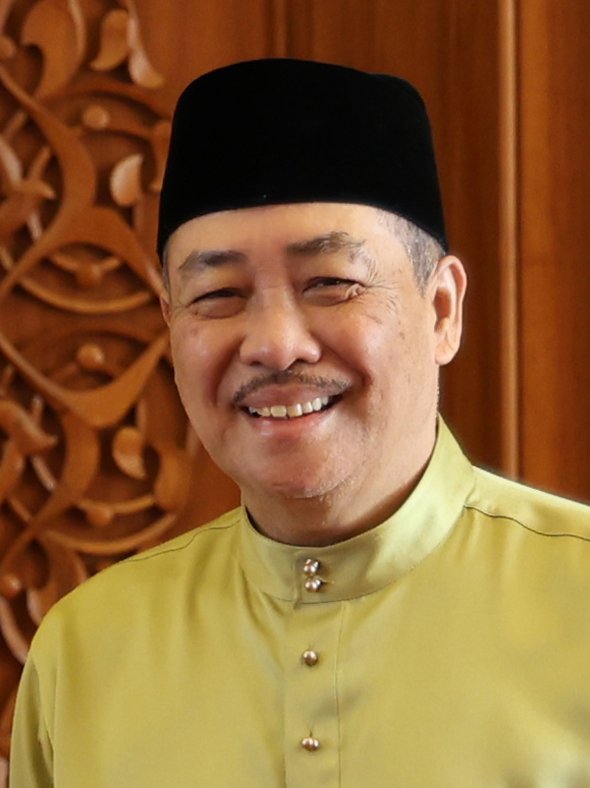
1955—
Hajiji Noor
Chief Minister of Sabah and Chairman of Gabungan Rakyat SabahThe long-serving Sulaman assemblyman who became Sabah chief minister in 2020 and won a second term at the 2025 state election.Read biography
1956—
Shafie Apdal
President of Parti Warisan and Member of Parliament for SempornaThe Semporna parliamentarian, former federal minister and Warisan founder who led Sabah from 2018 until the 2020 state election.Read biography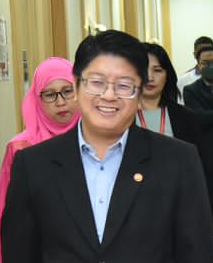
1983—
Ewon Benedick
Deputy Chief Minister of Sabah and President of UPKOThe Penampang MP and Kadamaian assemblyman who leads UPKO and became Sabah’s Deputy Chief Minister III after the 2025 state election.Read biography
1948—
Jeffrey Kitingan
President of STAR and Member of Parliament for KeningauThe Keningau MP, Tambunan assemblyman and STAR founder whose long career centres on Sabah autonomy, MA63 and Indigenous political representation.Read biography1958—
Joachim Gunsalam
Deputy Chief Minister of Sabah and President of PBSThe physician and six-term Kundasang assemblyman who rose through PBS, entered Sabah’s senior cabinet and became the party’s third president.Read biography
1950—
Masidi Manjun
Deputy Chief Minister and Finance Minister of SabahThe lawyer and former public administrator who has represented Karanaan since 2004 and now serves as Sabah’s Deputy Chief Minister II and finance minister.Read biography
1958—
Wilfred Madius Tangau
Member of Parliament for Tuaran and Assemblyman for TamparuliThe forester and development researcher who became a long-serving Tuaran MP, led UPKO and won a second elected mandate in Tamparuli in 2025.Read biography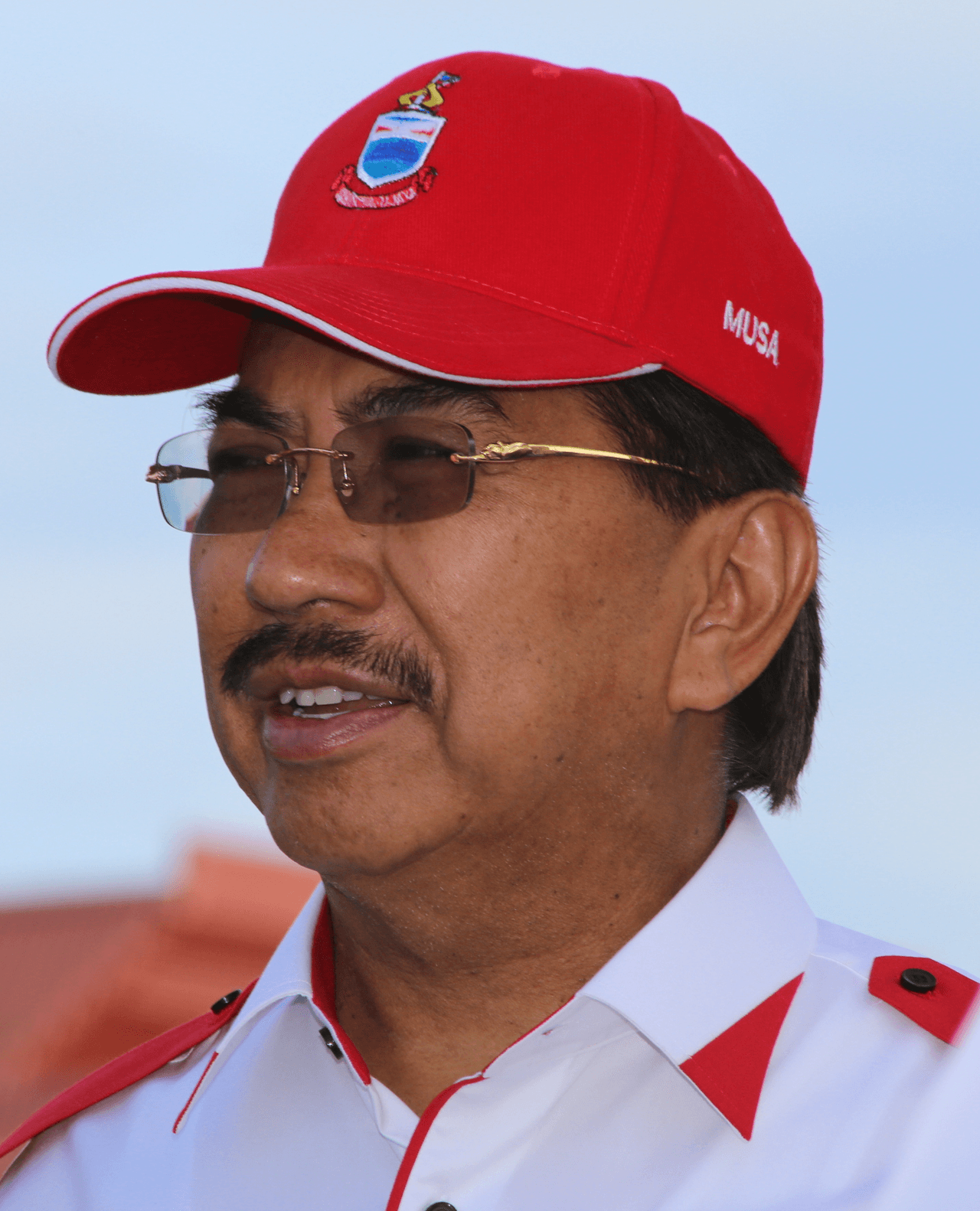
1951—
Musa Aman
Yang di-Pertua Negeri of SabahThe former Sungai Sibuga assemblyman who led Sabah for fifteen years, contested the 2018 transition and returned as Yang di-Pertua Negeri.Read biography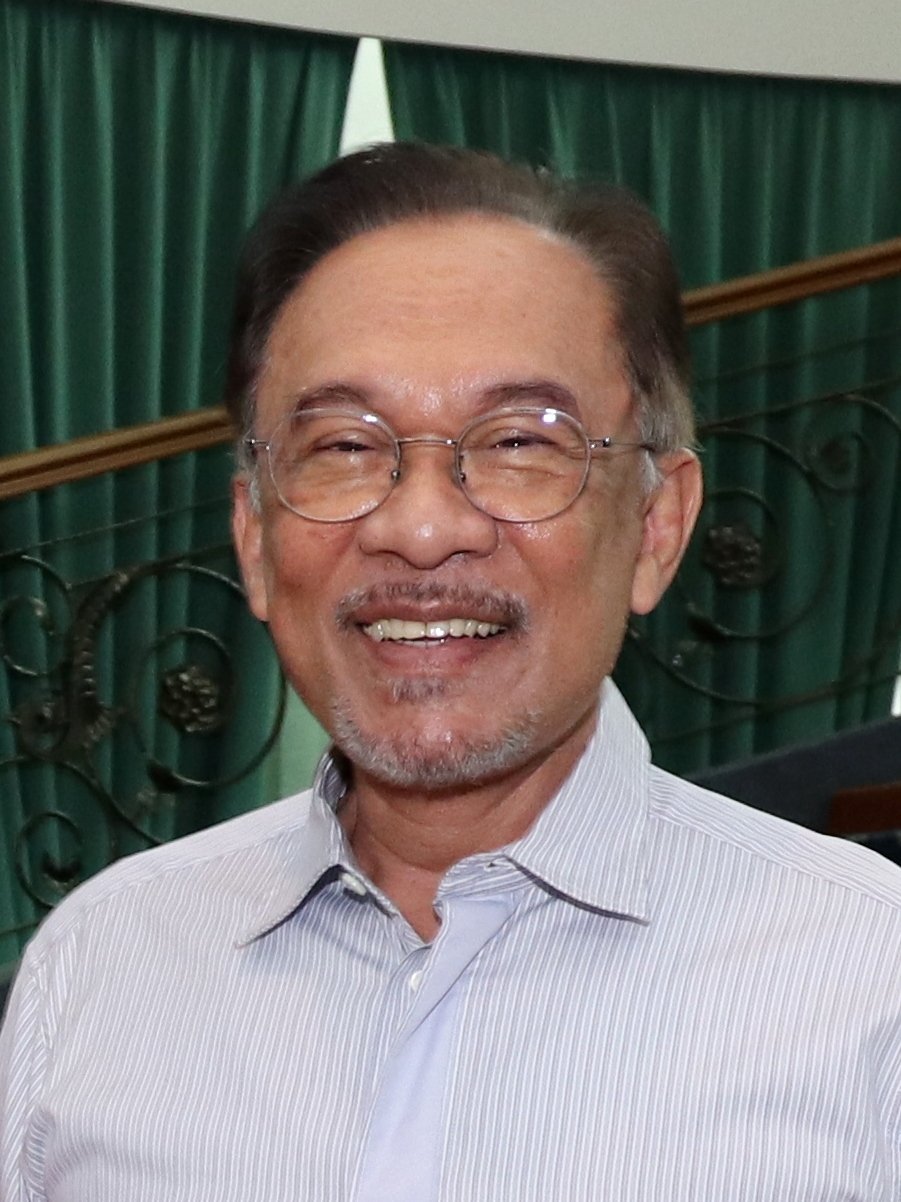
1947—
Anwar Ibrahim
Tenth Prime Minister of MalaysiaA student activist turned government minister, opposition leader and Malaysia’s tenth prime minister after one of the longest routes to national office.Read biography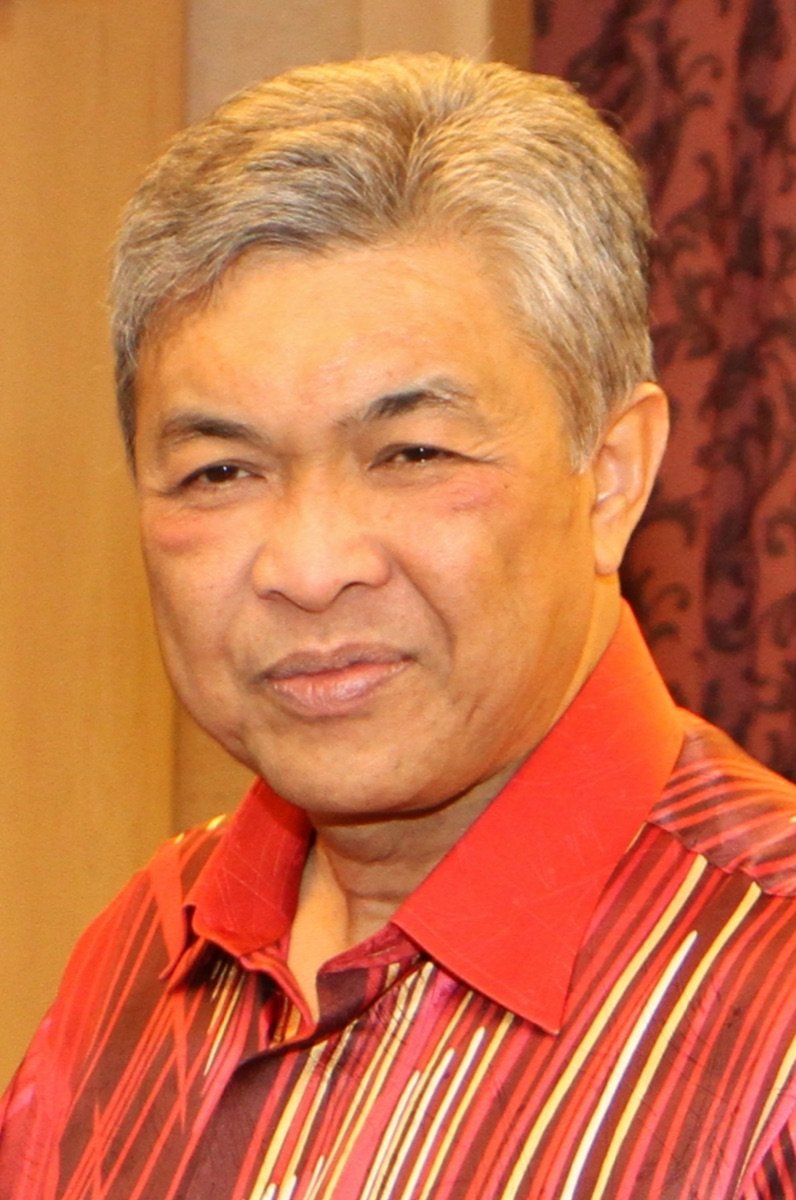
1953—
Ahmad Zahid Hamidi
Deputy Prime Minister and Minister of Rural and Regional DevelopmentThe UMNO president and Bagan Datuk member of Parliament who returned to the deputy premiership in 2022 after first holding the office from 2015 to 2018.Read biography1958—
Yong Teck Lee
President of the Sabah Progressive PartyThe lawyer and former PBS deputy leader who founded SAPP in 1994, led Sabah from 1996 to 1998 and later returned as a nominated assemblyman.Read biographyQuick answers
Common questions
- When was the 2025 Sabah state election held?
- Polling took place on 29 November 2025.
- How many seats did GRS win in 2025?
- GRS won 29 of Sabah’s 73 elected state seats.
- How many seats did Warisan win?
- Warisan won 25 seats and became the largest opposition party.
- Did any party win a majority?
- No. A simple majority required 37 seats, so GRS needed support beyond its 29 winners to form government.
- Who received the most votes?
- Warisan received 288,703 votes, 2,314 more than GRS, according to ElectionData. GRS nevertheless won four more seats.
- What was voter turnout?
- Turnout was 64.3 percent, with 1,148,476 ballots issued from 1,784,843 registered voters.
- Who became chief minister after the election?
- Hajiji Noor was appointed for a second term with effect from 30 November 2025.
- Which parties entered the new cabinet?
- The cabinet appointed on 1 December included seven GRS assembly members and one each from UPKO, BN and PH.
- Was UPKO part of GRS during the election?
- No. UPKO contested independently, won three seats and supported Hajiji after the poll. It entered GRS in 2026.
Primary and institutional sources
How this history was checked
The Election Commission supplies the official result, dates and candidate field; ElectionData supplies comparable vote and turnout totals; the Sabah Gazette establishes Hajiji Noor’s appointment and cabinet; government records, Bernama and ISEAS document the post-election coalition and explain the fragmented result. This article was reviewed on 4 October 2026.
- Election Commission of MalaysiaFull Results of the 17th Sabah State Election, 2025
- Election Commission of MalaysiaOfficial Infographic for the 17th Sabah State Election
- ElectionData.mySabah 2025 State Election Results, Votes and Turnout
- Sabah State GazetteAppointment of Hajiji Noor and the State Cabinet, 2025
- Government of SabahCurrent Sabah State Cabinet
- BernamaTen Sworn In as Sabah Cabinet Ministers Under New GRS Government
- Office of the Chief Minister of SabahFirst Meeting of the New Unity State Cabinet
- ISEAS – Yusof Ishak InstituteThe 2025 Sabah State Election: Regional Consolidation or Another Cycle of Fragmentation?
- Malay MailUPKO Backs Hajiji After the 2025 Election
- Wikimedia CommonsHajiji Noor Portrait and Public-Domain Record