The short answer
For ten weeks, the Red Shirt movement demanded an early election and occupied central Bangkok. An attempted clearance, armed attacks, emergency rule and the final military operation produced Thailand’s deadliest political violence in decades. Understanding the crisis requires accounting for both excessive state force and militant violence without treating them as legally or institutionally identical.
Chronology
A timeline of the turning points
Red Shirt demonstrators gather in Bangkok
The United Front for Democracy against Dictatorship began its mass campaign and demanded that Prime Minister Abhisit dissolve parliament for a new election.
Ratchaprasong becomes the principal protest camp
Demonstrators occupied a central commercial district in addition to their original Phan Fa Bridge site, increasing pressure on the government and disrupting business.
The government declares emergency rule
After protesters entered the parliamentary compound, the government invoked the Emergency Decree and formed the Centre for the Resolution of the Emergency Situation.
An attempted clearance becomes a deadly battle
Clashes around Phan Fa and Khok Wua killed 26 people, including five soldiers and Reuters cameraman Hiro Muramoto, and wounded more than 860.
Grenades strike near Saladaeng
Grenades fired into an area occupied by government supporters killed one woman and wounded scores of people, further undermining negotiations and public safety.
Abhisit proposes a reconciliation roadmap
The prime minister offered an election on 14 November if five reconciliation conditions were accepted, bringing the two sides close to an agreement.
Negotiations fail and containment begins
The government withdrew its election offer and began restricting access, transport and supplies around the Ratchaprasong camp.
Khattiya Sawasdipol is shot and dies
The army major general associated with militant protest guards was shot while speaking to a reporter and died four days later as street fighting intensified.
Live-fire zones produce heavy casualties
Security forces used live ammunition around declared restricted areas while armed militants also attacked soldiers; at least 36 people died during this phase.
The army clears Ratchaprasong
UDD leaders surrendered after the final operation. Arson followed in Bangkok and other provinces, while six people were killed in or near Wat Pathum Wanaram.
An election returns a Thaksin-aligned party
Pheu Thai won 265 of 500 House seats under Yingluck Shinawatra, demonstrating that the political constituency behind the protests had not disappeared.
Why did the Red Shirts mobilise against Abhisit?
The United Front for Democracy against Dictatorship brought together supporters of Thaksin Shinawatra, rural and urban voters who felt excluded from political power, anti-coup activists and groups opposed to the coalition change that made Abhisit Vejjajiva prime minister in December 2008. Many believed the 2006 coup, later court decisions and military influence had repeatedly overridden election results won by Thaksin-aligned parties.
Abhisit had been selected by the House after former coalition partners changed sides; his government therefore possessed a parliamentary majority but had not won a new general election. The protesters demanded dissolution of parliament and an early vote. The conflict was about the government’s legal authority, the perceived fairness of the route by which it formed and the deeper question of which institutions could legitimately determine political power.
How did a mass rally become a prolonged occupation?
The UDD began bringing supporters to Bangkok on 12 March and held its first major rally two days later. Police estimated that about 120,000 people arrived at the campaign’s height. Protesters established a base near Phan Fa Bridge, then occupied the Ratchaprasong commercial district from 3 April, placing a stage and barricades among shopping centres, hotels and transport routes.
The movement used speeches, marches and symbolic acts to sustain attention, but some leaders also used inflammatory language. After demonstrators entered the parliamentary compound on 7 April, the government declared a state of emergency. The Emergency Decree permitted broad restrictions on assembly and media, detention without ordinary charge for up to thirty days and a combined civilian-military command structure known as CRES.
What happened during the 10 April clashes?
Security forces attempted to reclaim the Phan Fa area on 10 April. Soldiers used tear gas, rubber bullets and live ammunition, while organised armed men associated with the protest side attacked troops with assault rifles and grenades. A grenade strike killed the commanding officer Colonel Romklao Thuwatham and wounded other officers; disorganised troops then withdrew while firing into streets crowded with protesters.
Twenty-six people died, including five soldiers and Japanese Reuters cameraman Hiro Muramoto, and more than 860 were wounded. Evidence reviewed by Human Rights Watch showed live rounds fired by both security forces and armed militants. This makes simple claims that every protester was peaceful or that all deaths were caused by one side historically inadequate, while never excusing unlawful or indiscriminate force by state personnel.
Why did the May negotiations collapse?
Abhisit proposed a five-point reconciliation roadmap and an election on 14 November. Moderate UDD leaders responded positively, but disputes over the timetable, responsibility for the April deaths and whether Deputy Prime Minister Suthep Thaugsuban should enter the criminal process prevented a final agreement. Hard-line figures within the camp also resisted ending the occupation without stronger guarantees.
The government withdrew the election offer and began isolating Ratchaprasong on 12 May. The shooting of Major General Khattiya Sawasdipol the next evening accelerated the breakdown. Armed militants fired at security positions, while soldiers established restricted areas and used live ammunition. The language of “live-fire zones” became central to later arguments over whether rules of engagement protected civilians and whether people approaching military lines were treated as threats without adequate distinction.
What happened during the final clearance?
On 19 May, armoured vehicles and troops broke through barricades and advanced on the main camp. UDD leaders surrendered and asked demonstrators to leave. After the surrender, fires were set at CentralWorld and other buildings in Bangkok, and provincial government sites were attacked elsewhere. Those crimes formed part of the day’s violence but did not erase the state’s separate duty to use lethal force only when necessary to protect life.
Six people were killed in or near Wat Pathum Wanaram, which had been treated as a refuge. Human Rights Watch found that soldiers on the elevated rail tracks and approaching from the west fired into the area, killing people including a volunteer medic. The wider March–May confrontation left at least ninety people dead and more than two thousand wounded; later official counts were higher, so the page uses “at least” rather than presenting one changing total as uncontested.
Was anyone held accountable?
The Abhisit government established the Truth for Reconciliation Commission of Thailand, whose final report examined structural causes, armed actors, state operations and failures by political leaders. Courts held in several inquests that bullets fired by soldiers killed particular victims. Protest leaders and participants faced numerous criminal cases, while proceedings against political and military decision-makers did not produce equivalent accountability for deaths caused by state force.
The absence of a broadly trusted legal resolution kept the events politically active. Pheu Thai won the 2011 election, but later amnesty proposals triggered another mobilisation in 2013. The legacy of 2010 therefore lies not only in the casualty toll: it shaped arguments over unequal justice, emergency power, military involvement in civilian conflict and whether elections could settle Thailand’s recurring contest over political legitimacy.
Continue the chronology
Related history guides
The 2008 Thai Political Crisis
Trace the court rulings, Yellow Shirt occupations and coalition change that produced the Abhisit government.
Read the timeline3 July 2011The 2011 Thai General Election
Continue to the election that followed the protest movement’s central demand and produced a Pheu Thai majority.
Read the timeline22 May 2014The 2014 Thai Coup
Follow the later political impasse, military takeover and five-year NCPO transition.
Read the timeline1851–todayThailand History Timeline
Place the confrontation inside a longer chronology of constitutional and military change.
Read the timeline1932–todayThai Political Turning Points
Compare the leaders and institutions connected to Thailand’s major political ruptures.
Read the timelineConnected biographies
Four biographies connecting the government, security response, opposition movement and electoral aftermath
 Thailand · Politics
1964—
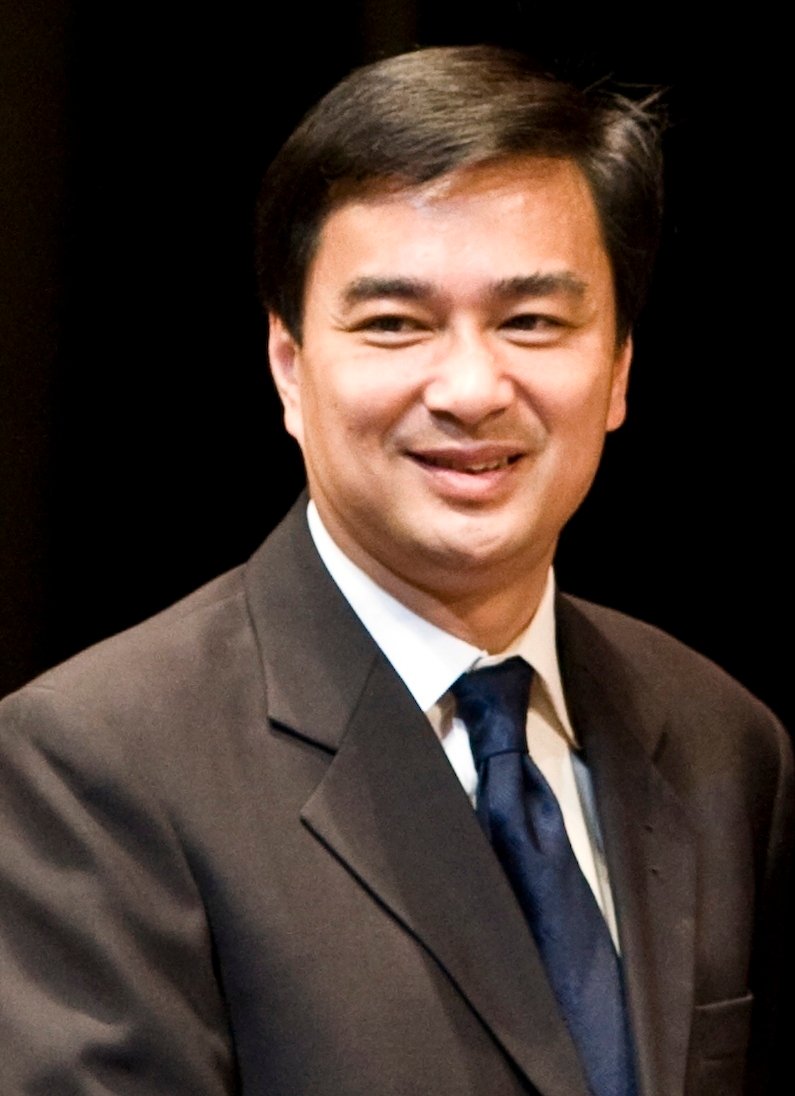
Abhisit Vejjajiva
27th Prime Minister of Thailand, 2008–2011The Oxford-educated Democrat leader who became prime minister through a parliamentary coalition, launched crisis stimulus and governed during Thailand’s 2010 protest violence.Read biography Thailand · Politics
1949—
Thaksin Shinawatra
Businessman and former prime ministerA telecommunications entrepreneur who became prime minister in 2001, transformed Thai electoral politics and remained influential through two decades of conflict.Read biography Thailand · Politics
1967—
Yingluck Shinawatra
Business executive and former prime ministerA business executive who led a landslide election victory in 2011 and became Thailand’s first woman prime minister before a court removed her in 2014.Read biography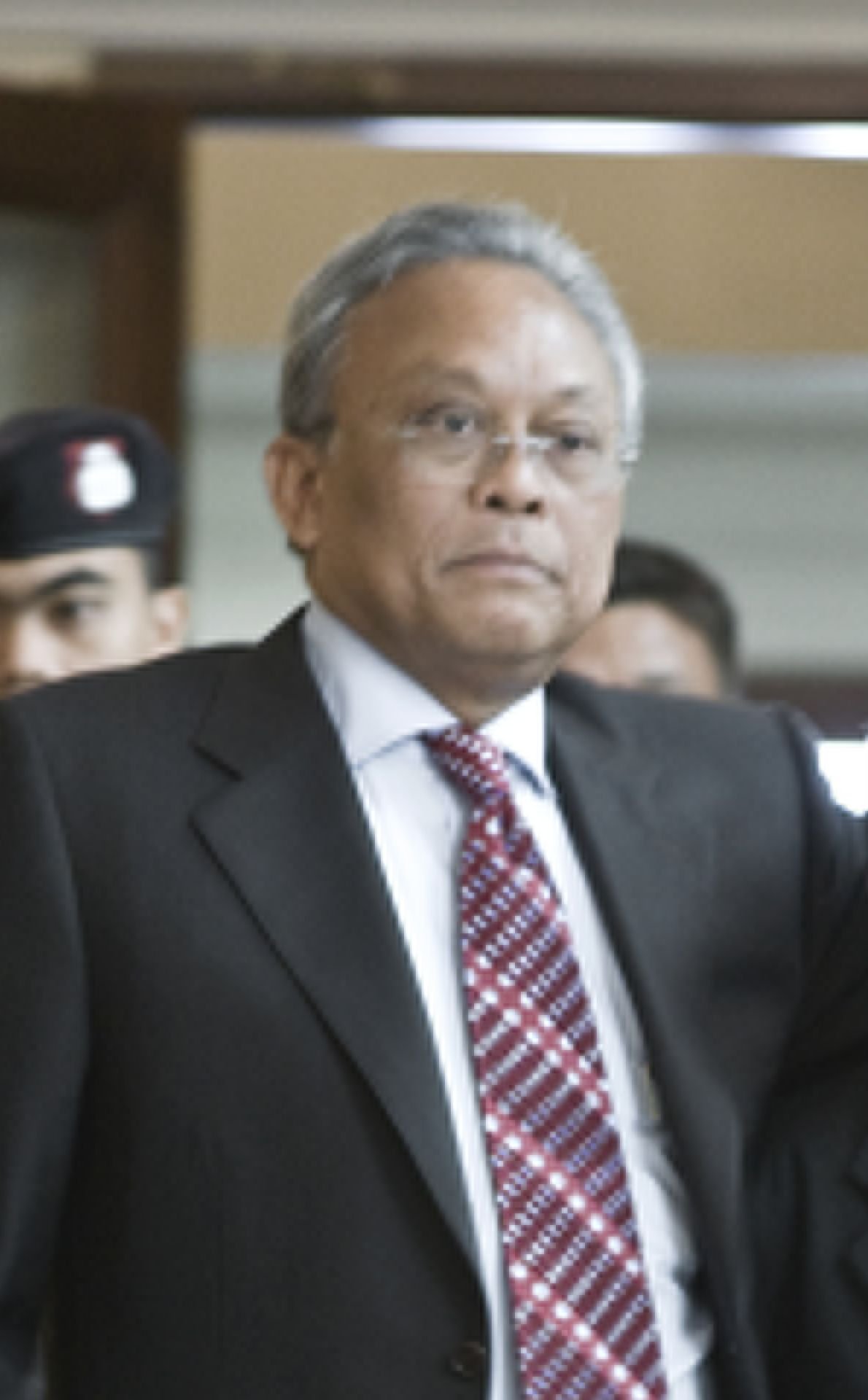 Thailand · Politics
1949—
Suthep Thaugsuban
Former deputy prime minister and PDRC protest leaderA veteran southern politician who rose through the Democrat Party, directed security policy during the 2010 Red Shirt crisis and later led the PDRC protests that preceded Thailand’s 2014 coup.Read biographyQuick answers
Common questions
- Who were Thailand’s Red Shirts?
- The Red Shirts were supporters of the United Front for Democracy against Dictatorship, a broad movement including Thaksin-aligned voters, anti-coup activists and people who believed electoral majorities were being overridden by unelected institutions.
- What did the 2010 protesters demand?
- Their central demand was that Prime Minister Abhisit Vejjajiva dissolve parliament and hold an early general election.
- How many people died in the 2010 Thai protests?
- Human Rights Watch documented at least 90 deaths and more than 2,000 injuries during the March–May confrontation. Later official figures cited at least 98 deaths, so totals vary by date and counting method.
- Were the Red Shirt protests peaceful?
- Most participants were not armed, but organised militants associated with the protest side used rifles and grenades and killed soldiers and civilians. Security forces also used excessive and unnecessary lethal force against people who did not pose an imminent threat.
- What happened at Wat Pathum Wanaram?
- Six people were killed in or near the temple after the 19 May clearance. Investigations found evidence of fire from soldiers positioned on the elevated rail track and nearby, contradicting initial denials of military responsibility.
- What happened after the crackdown?
- Emergency powers, arrests and censorship continued. In the July 2011 election, Pheu Thai won a House majority and Yingluck Shinawatra became prime minister.
Primary and institutional sources
How this history was checked
Dates, legal milestones and historical claims are checked against the official and institutional records below. This article was reviewed on 3 October 2026.
- Human Rights WatchDescent into Chaos: Thailand’s 2010 Red Shirt Protests and the Government Crackdown
- National Human Rights Commission of ThailandFinal Report of the Truth for Reconciliation Commission of Thailand
- Amnesty InternationalOpen Letter: Call for an independent and impartial investigation
- Amnesty InternationalThailand: Deadly crackdown sees no justice after ten years
- Committee to Protect JournalistsIn Thailand unrest, journalists under fire
- Inter-Parliamentary UnionThailand House election, July 2011
- Secretariat of the Prime Minister of ThailandOfficial directory of prime ministers of Thailand
- Wikimedia CommonsAbhisit Vejjajiva portrait and licence record