
The short answer
Indonesia’s 2024 election produced a first-round mandate for Prabowo Subianto and Gibran Rakabuming Raka. It also generated a major constitutional and ethical controversy over eligibility, two rejected result challenges and the first dissenting opinions in a presidential-election dispute.
Chronology
A timeline of the turning points
The Constitutional Court creates an elected-office exception
Decision 90 allowed a presidential or vice-presidential candidate under forty to qualify after holding an office filled by general election.
The Ethics Council removes the chief justice
The Council found serious ethical violations and removed Anwar Usman as chief justice over his conduct in the eligibility case.
Three tickets contest the election
Prabowo–Gibran faced Anies Baswedan–Muhaimin Iskandar and Ganjar Pranowo–Mahfud MD in simultaneous presidential and legislative voting.
KPU declares the national totals
Prabowo–Gibran received 96,214,691 votes, or 58.59 per cent, enough to avoid a runoff.
The Constitutional Court rejects both result petitions
The Court rejected challenges from the Anies and Ganjar tickets; three justices issued the first dissenting opinions in a presidential-result dispute.
KPU certifies the winning ticket
The election commission formally designated Prabowo Subianto and Gibran Rakabuming Raka as president- and vice-president-elect.
Prabowo and Gibran take office
Indonesia completed a constitutional transfer after ten years of Joko Widodo’s presidency.
Why was the 2024 election an open succession?
Joko Widodo could not seek a third consecutive term. The election therefore selected his successor while also testing whether his policies and coalition would continue. Prabowo Subianto entered a third presidential campaign after losing to Jokowi in 2014 and 2019 and then serving as his defence minister.
The three-ticket field offered different relationships to the outgoing government. Prabowo promised continuity and ran with Jokowi’s eldest son, Gibran Rakabuming Raka. Ganjar Pranowo was nominated by the party that had supported Jokowi, while Anies Baswedan presented a more explicit language of change.
Who were the three candidate pairs?
Prabowo and Gibran were backed by the Advanced Indonesia Coalition, including Gerindra, Golkar and several other parties. Anies paired with Muhaimin Iskandar under a coalition led by NasDem, the National Awakening Party and the Prosperous Justice Party. Ganjar ran with former chief justice and coordinating minister Mahfud MD, supported by PDI-P and allied parties.
The campaign combined large rallies, televised debates, volunteer networks and an intensive social-media contest. Economic programmes, food security, jobs, infrastructure, social assistance, democratic quality and the future of the planned capital Nusantara all appeared in competing platforms.
Why was Gibran’s candidacy controversial?
The election law set a minimum age of forty. In October 2023, the Constitutional Court ruled that a person below forty could qualify after holding an office won through general election. Gibran, then the elected mayor of Surakarta and thirty-six years old, entered the race under that exception.
The Court’s Ethics Council later found serious ethical violations by Chief Justice Anwar Usman, who is Gibran’s uncle, and removed him from the chief-justice position. The ethics ruling sanctioned judicial conduct; it did not cancel Decision 90, so the eligibility exception remained effective. Keeping those two outcomes distinct is essential to understanding the dispute.
What were the official results?
KPU recorded 96,214,691 votes for Prabowo and Gibran, equal to 58.59 per cent of valid ballots. Anies and Muhaimin received 40,971,906 votes, or 24.95 per cent. Ganjar and Mahfud received 27,040,878 votes, or 16.47 per cent.
Because the leading ticket won more than half of the national vote and satisfied the constitutional provincial-distribution requirement, no second round was necessary. The result gave Prabowo a much larger mandate than in either of his previous presidential campaigns.
What did the losing tickets challenge?
The Anies and Ganjar tickets filed separate petitions alleging misuse of state authority, politicised social assistance, procedural violations and problems arising from Gibran’s nomination. They asked the Court for remedies that included a new vote without the winning vice-presidential candidate.
On 22 April, the Constitutional Court rejected both petitions. The majority found the claims insufficiently proven under election-dispute law. Three justices dissented in parts of the cases—the first dissenting opinions in the Court’s history of presidential-election result disputes—showing that the legal judgment was not institutionally unanimous.
What did the election change?
Prabowo’s victory transformed a former opponent into the chosen successor of the administration he had joined. Gibran’s election also brought a member of Jokowi’s family into the vice presidency, intensifying debate about dynastic politics, institutional neutrality and continuity beyond a term-limited leader.
The inauguration on 20 October completed the electoral transfer. The election left two parallel legacies: a decisive first-round popular mandate and persistent arguments about the fairness, ethics and institutional conditions surrounding the contest.
Continue the chronology
Related history guides
The 2019 Presidential Election
Return to the Jokowi–Prabowo rematch, result challenge and post-election coalition.
Read the timelineFive election guidesIndonesian Presidential Elections
Compare official totals, coalitions and disputes across every direct presidential contest.
Read the timelineEight biographiesIndonesian Presidents
Follow the lives and administrations behind Indonesia’s presidential sequence.
Read the timeline1998–2004Reformasi and Democratic Transition
Trace the reforms that created direct presidential voting and stronger judicial review.
Read the timelineConnected biographies
Five candidates and the outgoing president connecting party nomination, government influence and the 2024 transition
 Indonesia · Politics
1951—
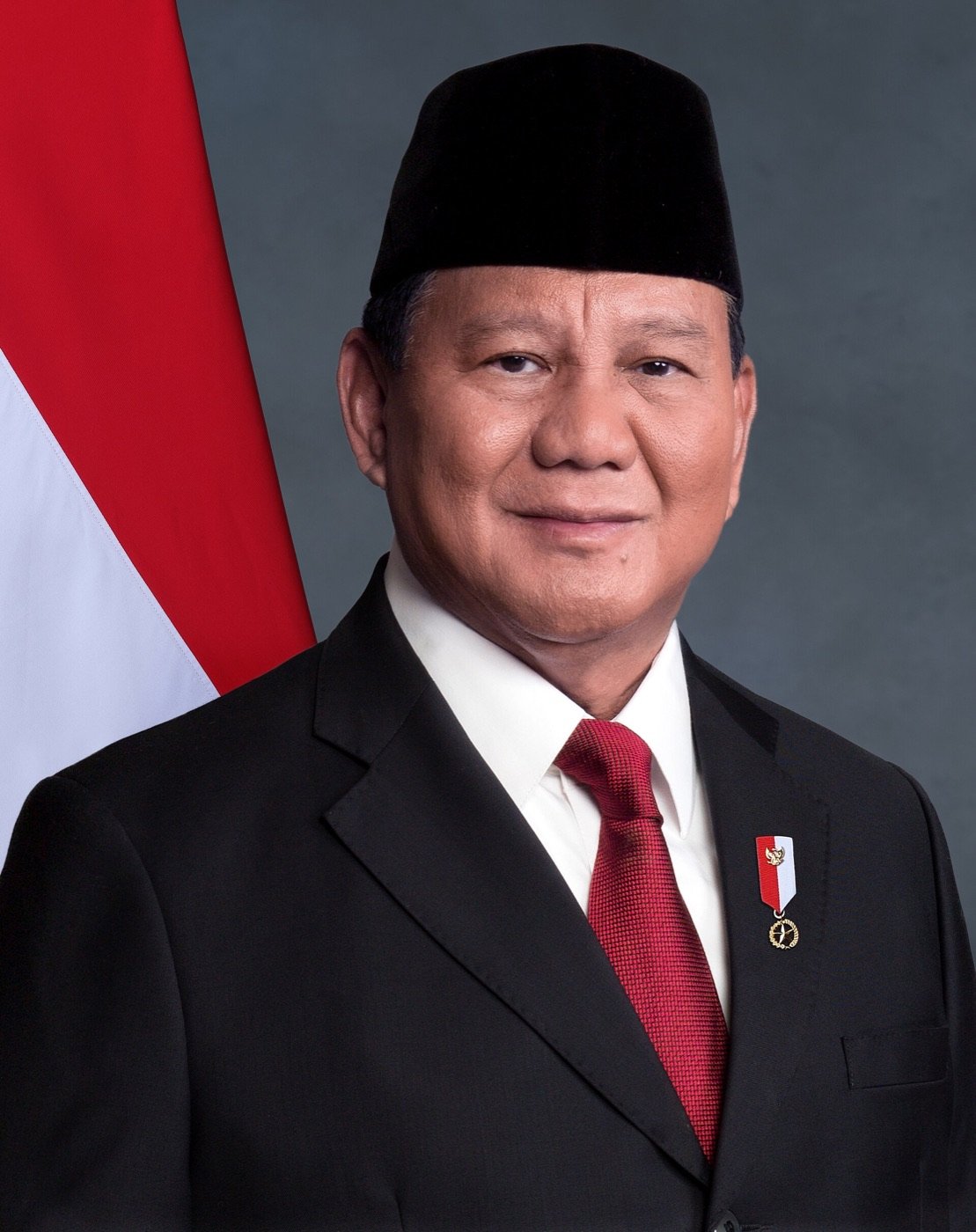
Prabowo Subianto
Eighth President of IndonesiaThe former special-forces commander and defence minister who won Indonesia’s 2024 election and became its eighth president.Read biography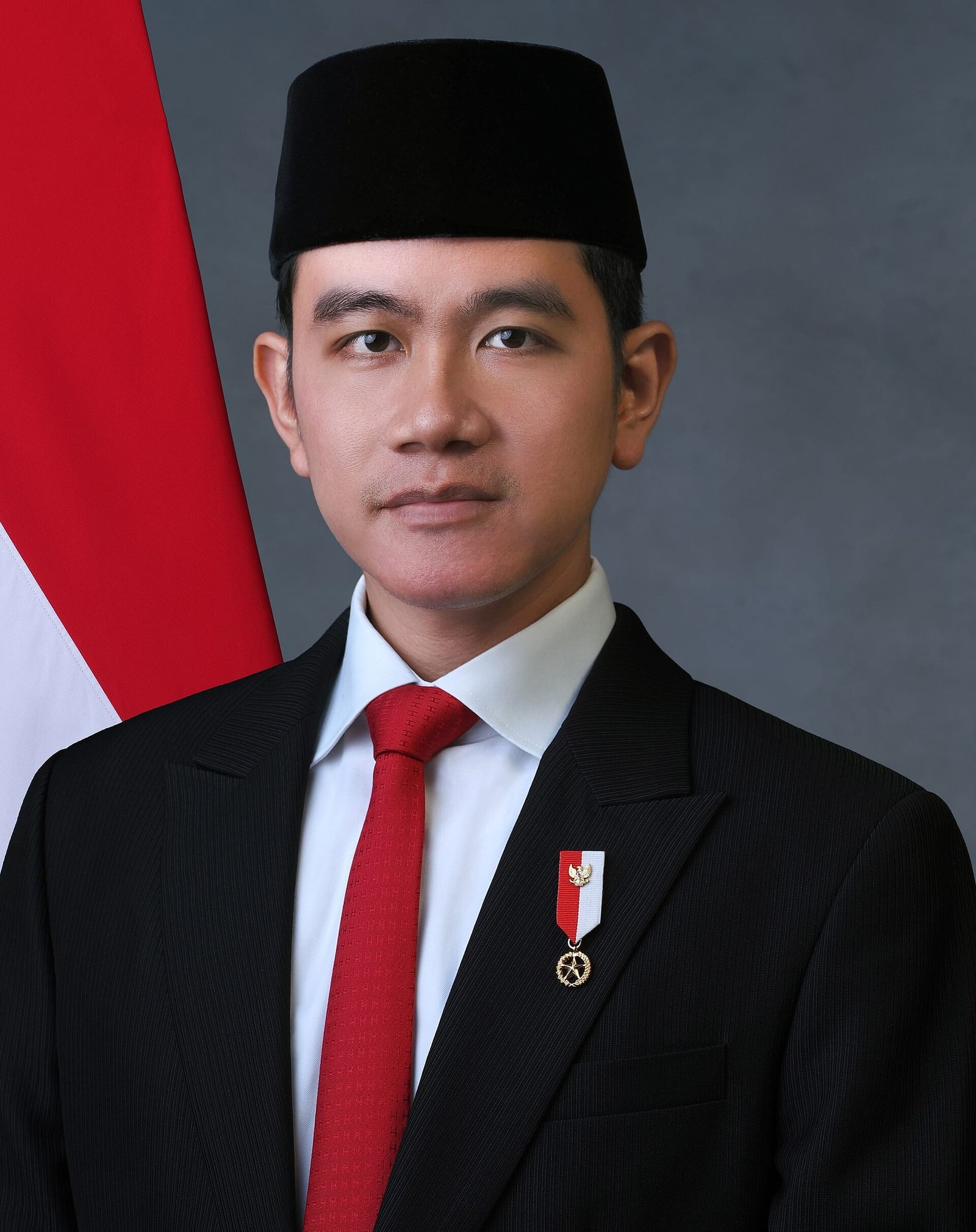 Indonesia · Politics
1987—
Gibran Rakabuming Raka
14th Vice President of IndonesiaThe entrepreneur, former Surakarta mayor and son of Joko Widodo who became Indonesia’s youngest vice president in 2024.Read biography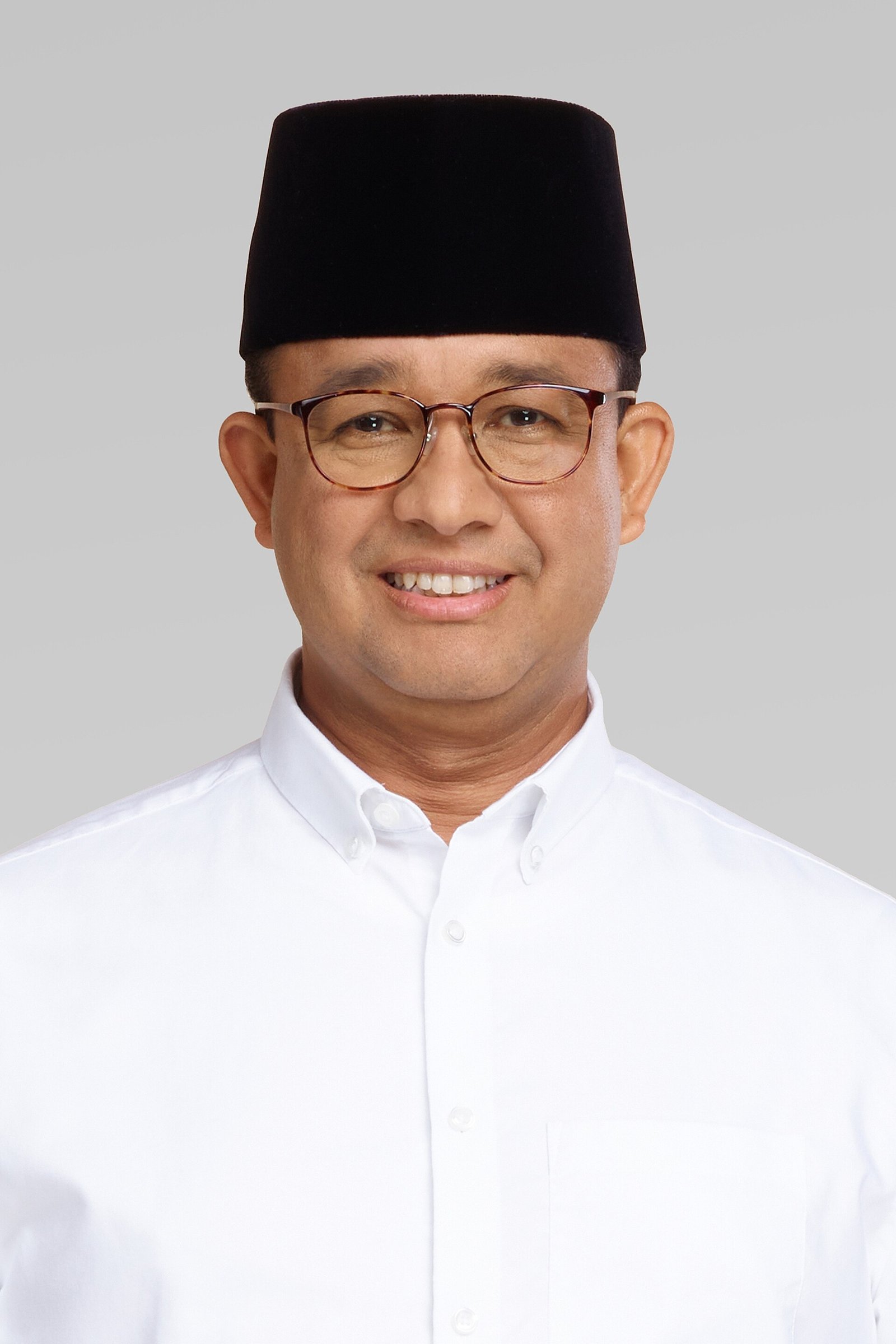 Indonesia · Politics
1969—
Anies Baswedan
Former Governor of Jakarta and 2024 presidential candidateThe academic, education minister and former Jakarta governor who ran for president in 2024 on a platform of political change.Read biography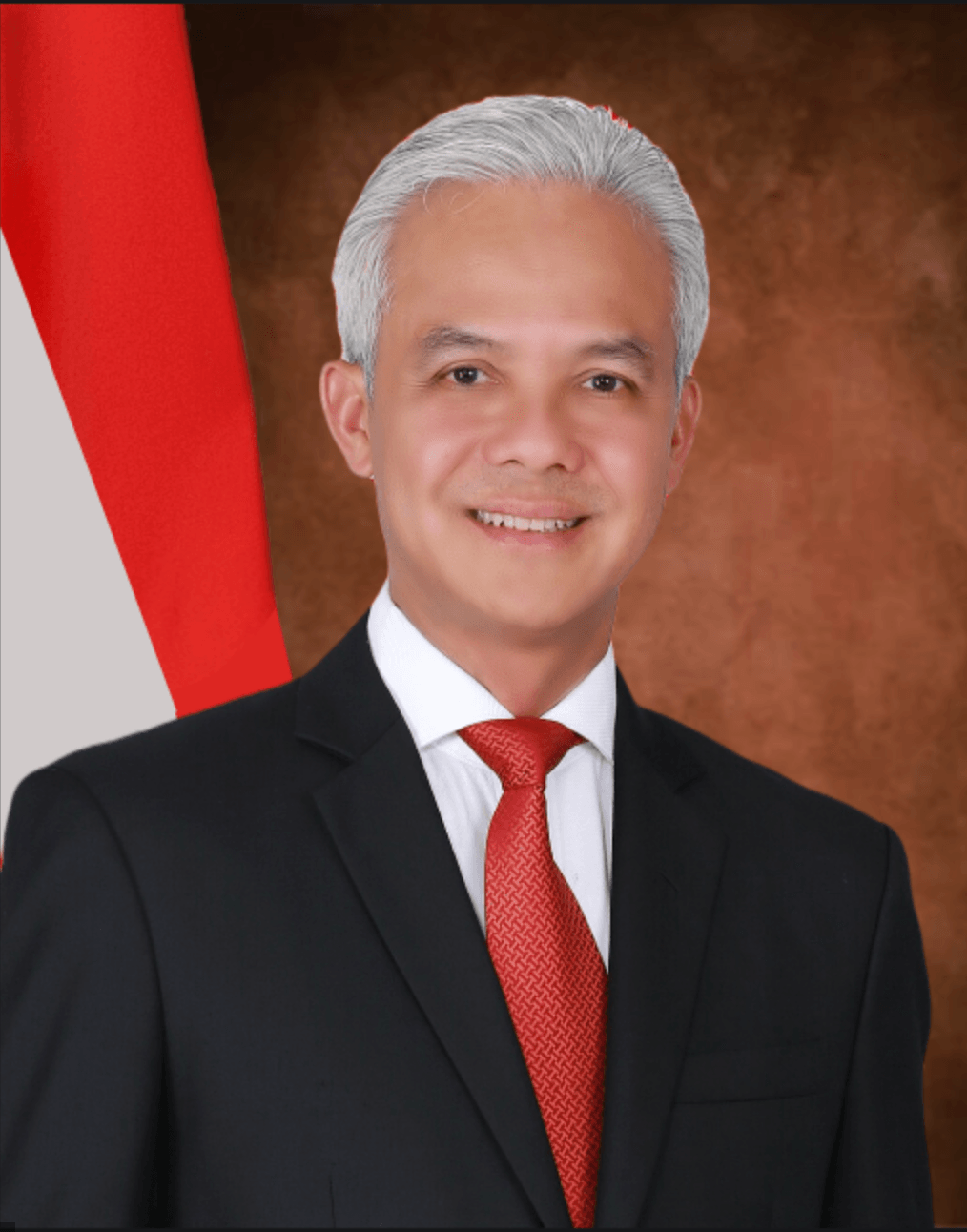 Indonesia · Politics
1968—
Ganjar Pranowo
Former Governor of Central Java and 2024 presidential candidateThe former legislator and two-term Central Java governor who became PDI-P’s presidential candidate in 2024.Read biography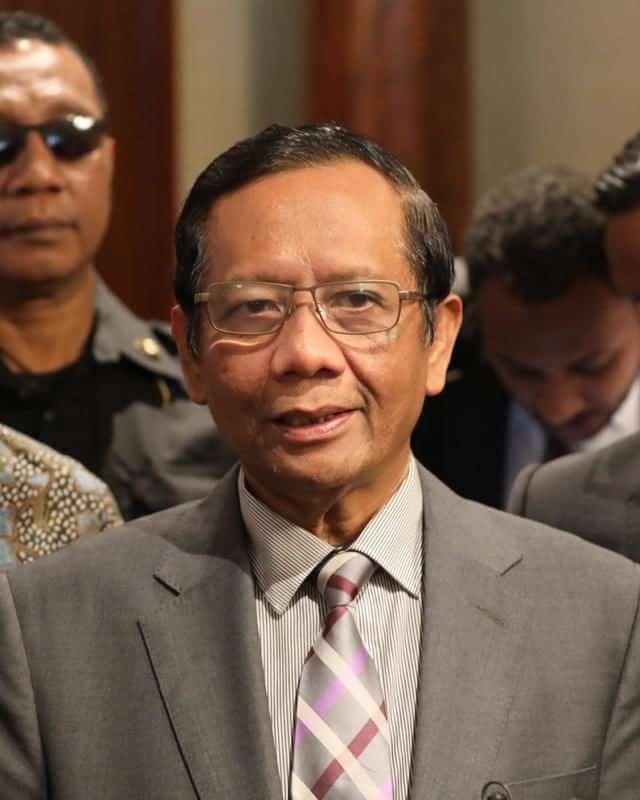 Indonesia · Politics
1957—
Mahfud MD
Constitutional-law scholar, former chief justice and ministerThe law professor who served in cabinet, parliament and as chief justice before becoming Ganjar Pranowo’s 2024 running mate.Read biography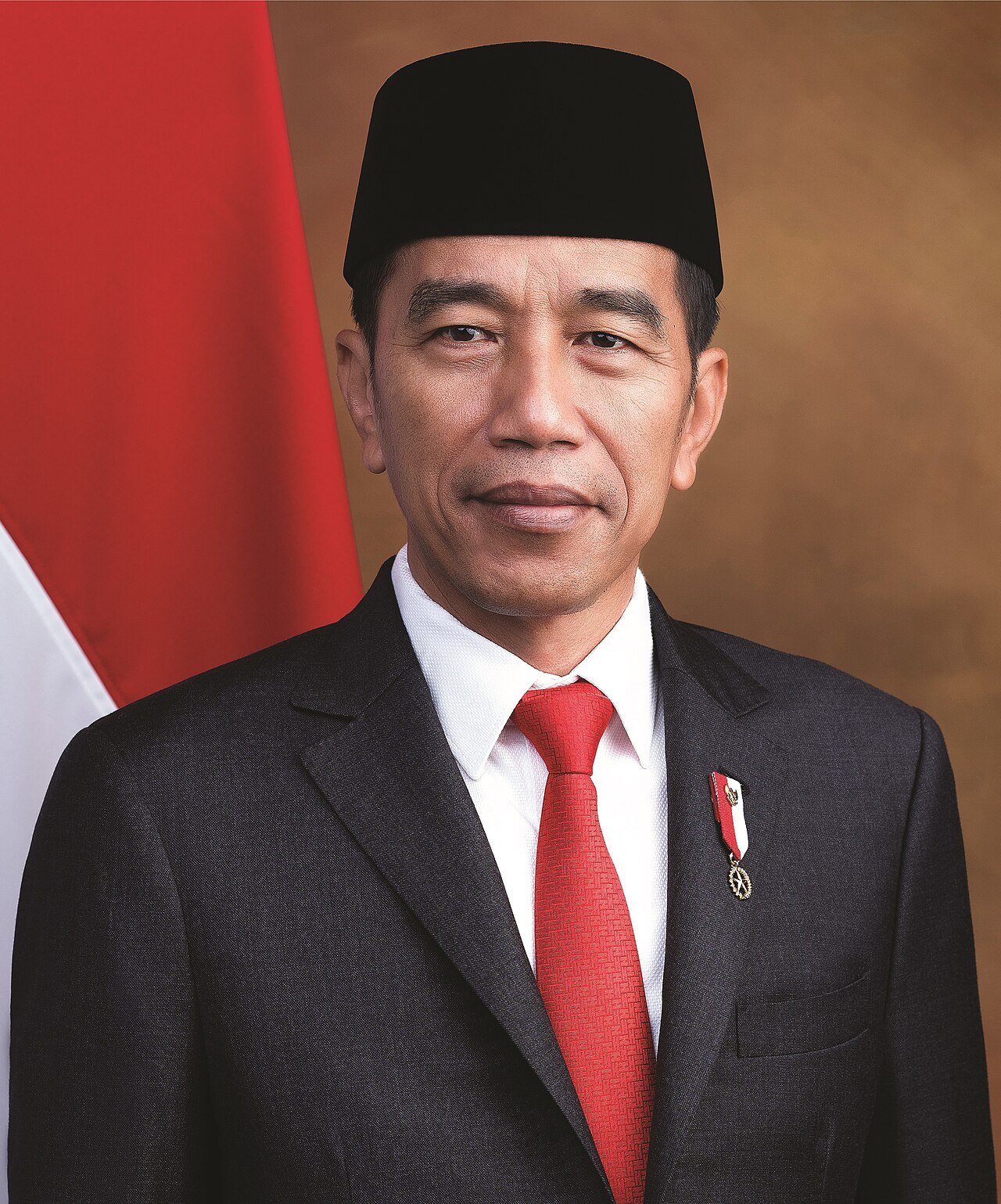 Indonesia · Politics
1961—
Joko Widodo
Seventh president of Indonesia and PSI memberIndonesia’s seventh president, a former furniture exporter and city mayor whose decade in office reshaped infrastructure, industry and succession.Read biographyQuick answers
Common questions
- Who won Indonesia’s 2024 presidential election?
- Prabowo Subianto and Gibran Rakabuming Raka won with 96,214,691 votes, or 58.59 per cent of valid ballots.
- Was there a second round in 2024?
- No. Prabowo and Gibran won a national majority and met the constitutional geographic-distribution requirement in the first round.
- Why could Gibran run before turning forty?
- Constitutional Court Decision 90 created an exception for candidates who had held an office filled through general election. Gibran qualified as the elected mayor of Surakarta.
- Did the ethics ruling invalidate Gibran’s candidacy?
- No. The Ethics Council sanctioned Chief Justice Anwar Usman and removed him from that leadership role, but the Court’s eligibility decision remained in force.
- Did the Constitutional Court overturn the result?
- No. The Court rejected petitions from both losing tickets on 22 April 2024, although three justices issued dissenting opinions.
Primary and institutional sources
How this history was checked
Dates, legal milestones and historical claims are checked against the official and institutional records below. This article was reviewed on 3 October 2026.
- General Elections Commission of IndonesiaKPU Decision No. 360 of 2024 — national election results
- General Elections Commission of Indonesia2024 presidential candidate vote totals and percentages
- Constitutional Court of the Republic of IndonesiaEthics Council removes Anwar Usman from chief justice position
- Constitutional Court of the Republic of IndonesiaFirst dissents in presidential election result dispute history
- President of the Republic of IndonesiaPrabowo Subianto and Gibran Rakabuming Raka inaugurated