
The short answer
Indonesia’s first direct presidential election required two nationwide votes. Susilo Bambang Yudhoyono led a five-ticket first round, defeated incumbent Megawati Sukarnoputri in the runoff and took office through a peaceful transfer that made Reformasi’s new constitutional rules tangible.
Chronology
A timeline of the turning points
Constitutional amendments create direct election
Reformasi amendments replaced presidential selection by the People’s Consultative Assembly with a nationwide popular vote and runoff rules.
Legislative elections determine nomination strength
Party results shaped coalition bargaining under the threshold for nominating presidential and vice-presidential tickets.
Five tickets contest the first round
Susilo Bambang Yudhoyono and Jusuf Kalla led with 33.57 per cent; President Megawati Sukarnoputri and Hasyim Muzadi placed second with 26.61 per cent.
KPU confirms a runoff
No ticket met the national majority and geographic distribution requirements, sending the two leading pairs to a second vote.
Voters return for the second round
SBY–Kalla defeated Megawati–Hasyim with 69,266,350 votes, or 60.62 per cent of valid ballots.
The final result is announced
The KPU confirmed SBY and Kalla as Indonesia’s first president and vice president elected directly by voters.
A peaceful transfer completes the transition
Megawati left office and Yudhoyono was inaugurated, converting the Reformasi constitutional design into an accepted transfer of executive power.
Why was the 2004 election historic?
Every earlier Indonesian president had reached office through revolutionary appointment, parliamentary or assembly selection, or constitutional succession. The Reformasi amendments changed Article 6A of the 1945 Constitution so citizens would choose a president and vice president as a ticket.
The rules required more than a simple plurality in the first round: a ticket needed over half the national vote and at least twenty per cent in more than half the provinces. If no one crossed that combined threshold, the top two pairs would meet again. In 2004 that runoff provision became real rather than theoretical.
Who were the five candidate pairs?
Incumbent president Megawati Sukarnoputri ran with Nahdlatul Ulama leader Hasyim Muzadi. Retired general Susilo Bambang Yudhoyono, who had left Megawati’s cabinet, partnered with businessman and Golkar politician Jusuf Kalla under a coalition led by the relatively new Democratic Party.
Golkar nominated former armed-forces commander Wiranto with Salahuddin Wahid. Reform-era opposition figure Amien Rais ran with Siswono Yudo Husodo, while incumbent vice president Hamzah Haz partnered with retired general Agum Gumelar. Abdurrahman Wahid sought to run but did not pass the required health assessment.
What happened in the first round?
SBY’s campaign joined a calm public style with a promise of change, anti-corruption and more effective government. His break with Megawati helped present him as an alternative to the incumbent even though he had served in her administration and built a long military career under the New Order.
The 5 July result placed SBY–Kalla first with 39,838,184 votes, or 33.57 per cent. Megawati–Hasyim received 31,569,104 votes, or 26.61 per cent, ahead of Wiranto–Salahuddin, Amien–Siswono and Hamzah–Agum. The fragmented field ensured that no pair approached the required majority.
How did SBY win the runoff?
The second round turned a five-way competition into a national choice between continuity under Megawati and a new governing coalition led by SBY. Parties that had backed eliminated candidates negotiated again, but endorsement did not transfer every voter as a disciplined bloc.
Yudhoyono and Kalla received 69,266,350 votes, or 60.62 per cent. Megawati and Hasyim received 44,990,704, or 39.38 per cent. The margin gave SBY a broad personal mandate even though his Democratic Party held only a modest share of the newly elected legislature.
What did the result change?
The election separated presidential legitimacy from bargaining inside the MPR. A candidate could build a direct national coalition and defeat an incumbent, while the president still had to negotiate with a fragmented multiparty legislature after taking office.
Megawati’s acceptance of the result and the 20 October transfer were essential. Indonesia had experienced several irregular or disputed transfers since independence; the 2004 sequence showed that an incumbent could lose a competitive direct election and leave office under an agreed constitutional timetable.
The contest also established patterns that continued through later elections: coalition thresholds, paired tickets, nationwide television campaigning, personality-centred parties and judicial resolution of result disputes. The democratic rules would be tested repeatedly, but 2004 supplied their first accepted operating precedent.
Continue the chronology
Related history guides
Reformasi and Democratic Transition
Trace the constitutional amendments and institutional changes that created direct presidential voting.
Read the timeline8 July 2009The 2009 Presidential Election
Continue to SBY’s first-round reelection against Megawati and Jusuf Kalla.
Read the timelineFive election guidesIndonesian Presidential Elections
Compare every direct presidential contest from the first runoff to the 2024 transition.
Read the timelineEight biographiesIndonesian Presidents
Read the complete presidential sequence from Sukarno to Prabowo Subianto.
Read the timelineConnected biographies
Five political lives connecting constitutional reform, candidacy, incumbency and the first direct presidential transfer
 Indonesia · Politics
1949—
Susilo Bambang Yudhoyono
Sixth President of IndonesiaThe retired general known as SBY who won Indonesia’s first direct presidential election and led the country from 2004 to 2014.Read biography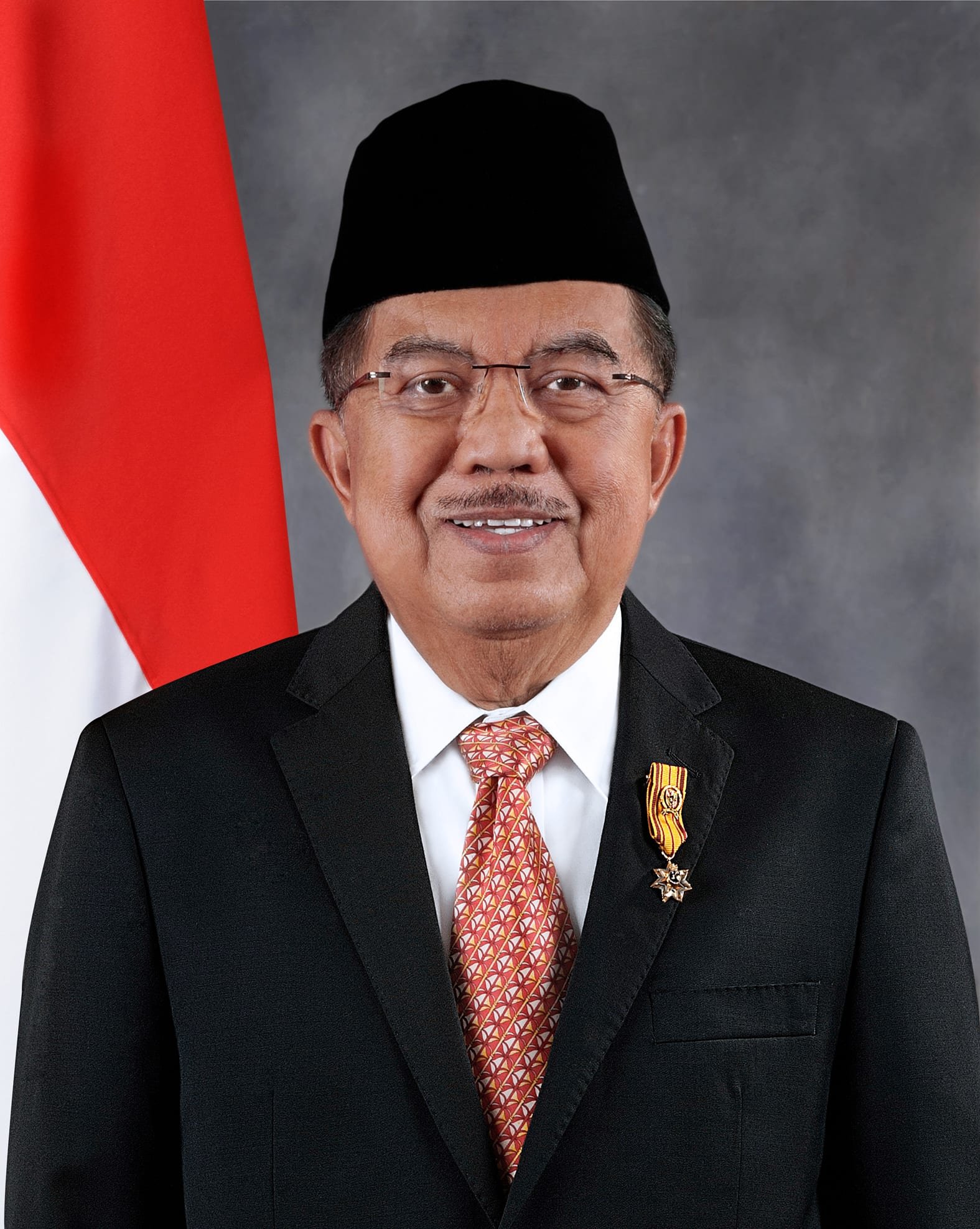 Indonesia · Politics
1942—
Jusuf Kalla
10th and 12th Vice President of IndonesiaThe businessman, Golkar leader and two-time vice president who helped negotiate peace processes from Maluku and Poso to Aceh.Read biography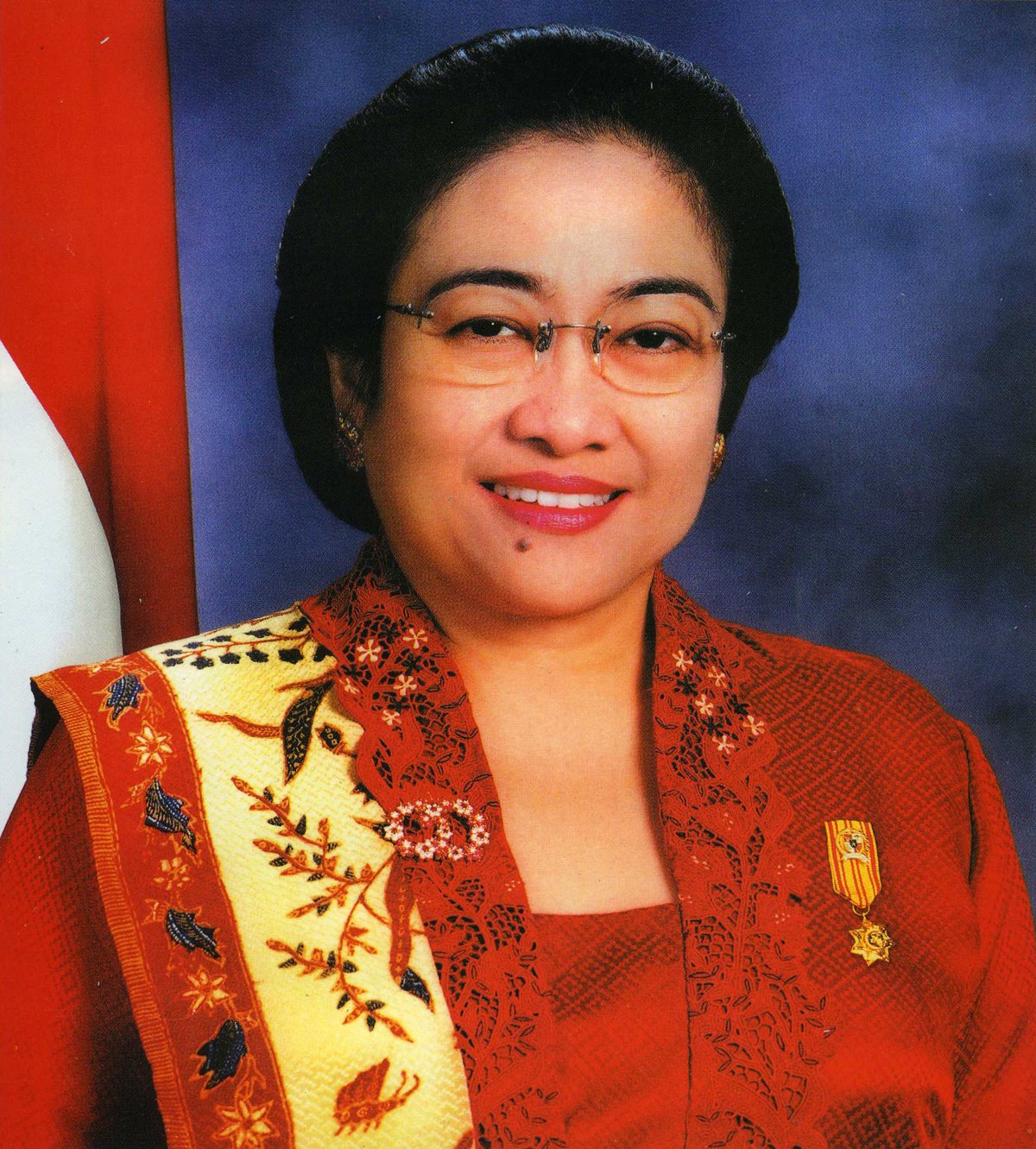 Indonesia · Politics
1947—
Megawati Sukarnoputri
Former president of Indonesia and chair of PDI-PIndonesia’s first woman president, an opposition symbol under Suharto and the PDI-P chair who remains central to post-Reformasi politics.Read biography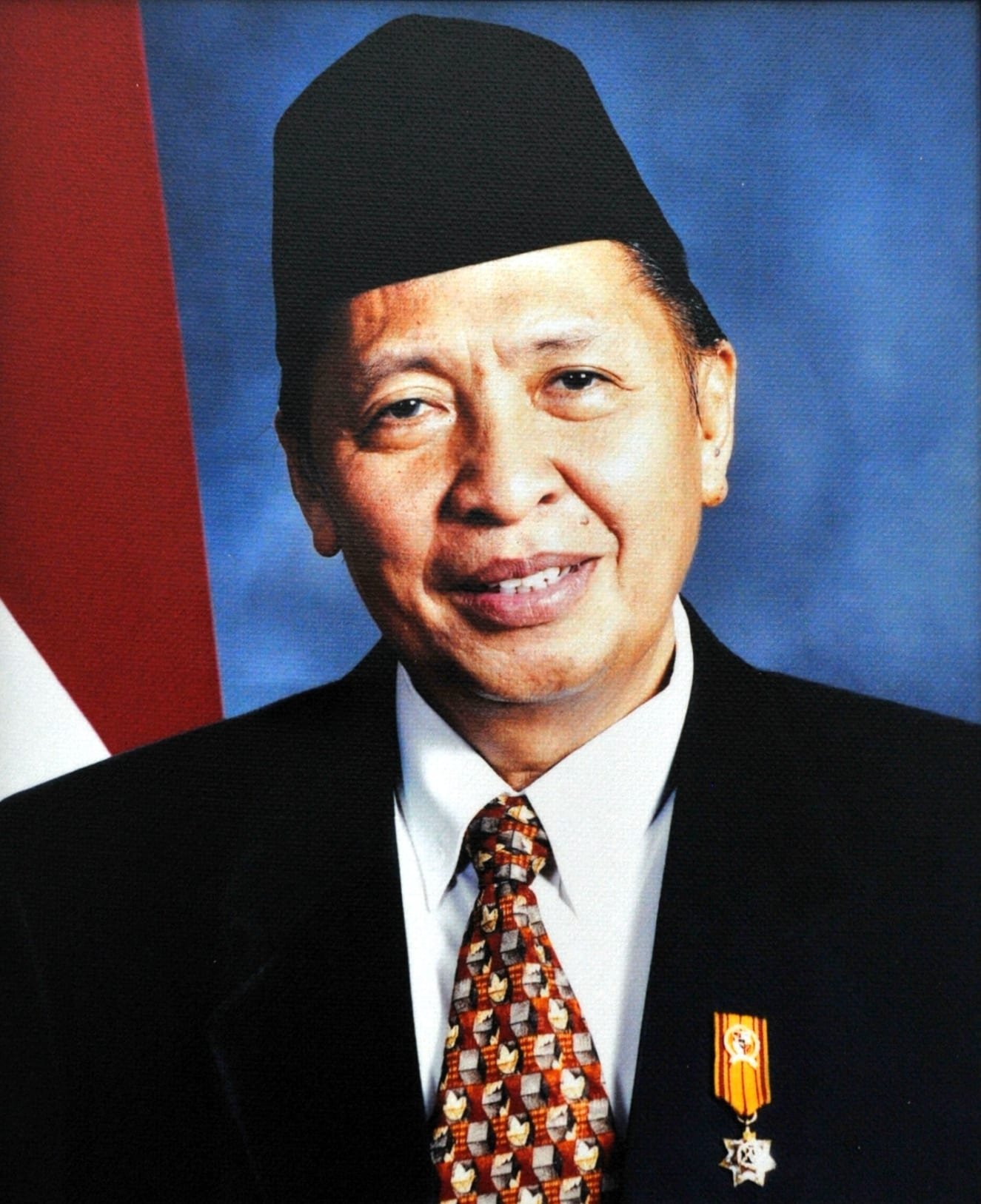 Indonesia · Politics
1940—2024
Hamzah Haz
Islamic party leader and ninth Vice President of IndonesiaThe West Kalimantan teacher, journalist and long-serving PPP politician who became Indonesia’s ninth vice president during the Reformasi transition.Read biography Indonesia · Politics
1940—2009
Abdurrahman Wahid
Fourth President of Indonesia and Muslim intellectualThe Muslim intellectual known as Gus Dur who led Nahdlatul Ulama, defended pluralism and served as Indonesia’s fourth president from 1999 to 2001.Read biographyQuick answers
Common questions
- Who won Indonesia’s 2004 presidential election?
- Susilo Bambang Yudhoyono and Jusuf Kalla won the second round with 69,266,350 votes, or 60.62 per cent of valid ballots.
- Why were there two rounds in 2004?
- No ticket won more than half the national vote while satisfying the geographic distribution rule in the first round, so the two leading pairs contested a runoff.
- Who reached the 2004 runoff?
- Susilo Bambang Yudhoyono–Jusuf Kalla faced incumbent president Megawati Sukarnoputri–Hasyim Muzadi on 20 September 2004.
- Was 2004 Indonesia’s first direct presidential election?
- Yes. Earlier presidents were appointed, selected by representative institutions or succeeded constitutionally. In 2004 voters chose the presidential ticket directly for the first time.
Primary and institutional sources
How this history was checked
Dates, legal milestones and historical claims are checked against the official and institutional records below. This article was reviewed on 3 October 2026.
- General Elections Commission of IndonesiaHistory of Indonesia’s 2004 election
- General Elections Commission of IndonesiaReform-era elections and official 2004 participation totals
- General Elections Commission of IndonesiaIndonesia’s electoral system and the 2004 direct vote
- House of Representatives of IndonesiaThe 1945 Constitution and amendments
- National Archives of the Republic of IndonesiaPresidenpedia: Susilo Bambang Yudhoyono