
The short answer
Sabah’s 2020 snap election returned a verdict on an attempted change of government during the COVID-19 pandemic. The PN–BN–PBS alliance called GRS won 38 of 73 seats, while Warisan Plus narrowly led the grouped alliance vote but secured 32. Hajiji Noor replaced Shafie Apdal as chief minister, and the campaign became inseparable from Malaysia’s subsequent public-health debate.
Results at a glance
Seats won in the 2020 Sabah election
The official result used electoral labels rather than later coalition membership. Warisan’s 29 includes six DAP candidates who contested with its logo; PN’s seventeen comprised eleven Bersatu and six STAR winners.
| Official label | Seats won | Share of 73 seats | Alliance in 2020 |
|---|---|---|---|
| Warisan ticket | 29 | 39.7% | Warisan Plus · 23 Warisan + 6 DAP members |
| Perikatan Nasional | 17 | 23.3% | GRS · 11 Bersatu + 6 STAR members |
| Barisan Nasional | 14 | 19.2% | GRS · all fourteen winners from UMNO |
| Parti Bersatu Sabah | 7 | 9.6% | GRS |
| Independent | 3 | 4.1% | Outside both main alliances |
| PKR | 2 | 2.7% | Warisan Plus |
| UPKO | 1 | 1.4% | Warisan Plus |
Chronology
A timeline of the turning points
Malaysia’s federal government changes
The collapse of the Pakatan Harapan government produced a PN-led federal administration and changed the incentives facing Sabah parties and assembly members.
Musa Aman claims majority support
The former chief minister said a group of government assembly members had shifted allegiance and that he could form a new administration.
The Sabah assembly is dissolved
Yang di-Pertua Negeri Juhar Mahiruddin consented to Shafie Apdal’s request for dissolution, sending the majority dispute back to voters.
The Election Commission sets the timetable
Nomination was fixed for 12 September, early voting for 22 September and polling for 26 September.
Candidates are nominated and GRS is announced
PN, BN and PBS campaigned under the Gabungan Rakyat Sabah umbrella, although candidates still used several separate electoral labels.
GRS-aligned parties win 38 seats
PN won 17, BN fourteen and PBS seven; Warisan Plus won 32 and independent candidates won three.
Hajiji Noor becomes chief minister
The Sulaman assemblyman was sworn in as Sabah’s chief minister after the GRS partners agreed on him as their candidate.
Malaysia confronts a new COVID-19 wave
Cases rose sharply after the campaign, and subsequent research found both direct and spill-over transmission effects associated with election activity.
GRS becomes a registered coalition
Formal registration created a legal organisation distinct from the wider PN–BN–PBS election umbrella used in 2020.
Who won the 2020 Sabah state election?
The parties grouped under Gabungan Rakyat Sabah won 38 of the 73 elected seats, one more than the 37 required for a simple majority. Perikatan Nasional won seventeen, Barisan Nasional fourteen and Parti Bersatu Sabah seven.
Warisan Plus won 32 seats. The official party-label count recorded 29 for the Warisan ticket, two for PKR and one for UPKO; six DAP candidates were among those elected using the Warisan logo. Independent candidates won the remaining three seats.
The result replaced Shafie Apdal’s administration with a GRS-led government. Hajiji Noor, who had retained Sulaman for PN, was sworn in as chief minister on 29 September after negotiations among the winning partners.
How were the 73 seats divided?
The election was the first held after Sabah’s elected assembly expanded from 60 to 73 constituencies. Within PN’s seventeen victories, Bersatu won eleven and STAR six. BN’s fourteen winners were from UMNO, while PBS won seven under its own label.
Warisan itself supplied 23 of the 29 assembly members elected on its ticket, with DAP candidates accounting for the other six. PKR retained two seats and UPKO won one, bringing the Warisan Plus total to 32.
The three independent winners were Ruddy Awah in Pitas, Masiung Banah in Kuamut and Rubin Balang in Kemabong. No other party won representation despite a record 447 candidates contesting across the state.
Why was a snap election called?
Sabah’s crisis followed the federal realignment that replaced the PH government in early 2020. On 29 July, former chief minister Musa Aman said defections had given him sufficient assembly support to replace Shafie’s Warisan-led administration.
Shafie responded by asking the Yang di-Pertua Negeri to dissolve the assembly. Juhar Mahiruddin consented on 30 July, preventing an immediate transfer through assembly declarations and requiring a statewide election instead.
Musa and allied assembly members challenged the dissolution in court, but the election timetable continued. The episode differed from the 2018 transition: Shafie had gained office then after six BN-winning members shifted support, while in 2020 he chose dissolution when a new defection effort threatened his majority.
What did GRS mean during the 2020 campaign?
Gabungan Rakyat Sabah was a common campaign identity for PN, BN and PBS rather than the registered coalition that exists today. The three partners coordinated against Warisan Plus but retained their own organisations and election labels.
PN’s Sabah candidates came principally from Bersatu and STAR. BN was centred on UMNO, with other component candidates failing to win, while PBS competed as a separate regional party. Friendly contests still occurred in some constituencies, showing that GRS coordination was incomplete.
This distinction matters when comparing elections. The 38-seat figure describes the entire 2020 electoral umbrella; it should not be used as though all 38 winners belonged to the narrower legal coalition registered in March 2022.
Why did GRS win more seats despite a lower alliance vote?
ElectionData groups 316,049 votes, or 43.2 percent, with GRS and 317,541, or 43.4 percent, with Warisan Plus. Warisan Plus therefore led this statewide alliance count by 1,492 votes but finished six seats behind.
First-past-the-post rewards constituency victories rather than a statewide popular-vote plurality. GRS combined a strong west-coast performance with gains in new and interior seats, while Warisan Plus accumulated large margins in several urban and east-coast constituencies.
Seat coordination also mattered. ISEAS analysis found that UMNO performed especially well in newly created seats, while Bersatu, STAR and PBS each converted distinct local bases into victories. The narrow statewide vote difference therefore concealed a more efficient GRS distribution across constituencies.
How did Warisan Plus perform?
Warisan Plus remained highly competitive and narrowly led the grouped alliance vote. Shafie retained Senallang, and the bloc continued to dominate much of Sabah’s east coast while DAP candidates recorded large margins in several urban seats.
Its 32 seats nevertheless fell five short of a majority. Warisan members held 23, six DAP winners had contested on the Warisan ticket, PKR held two and UPKO one. The bloc lost ground in some mixed and Kadazan-Dusun-Murut constituencies where GRS regional partners performed strongly.
The result confirmed Warisan as a major statewide party rather than a brief 2018 vehicle, but it also showed the limits of a coalition whose support was geographically concentrated. Shafie became opposition leader instead of continuing as chief minister.
How did regional parties shape the result?
PBS won seven seats and STAR six, meaning Sabah-based GRS partners supplied thirteen of the alliance’s 38 victories. STAR expanded from two seats in 2018, while PBS improved from six to seven despite overlapping contests with allies.
UPKO, which had left BN and aligned with Warisan, fell from five elected seats in 2018 to one. Ewon Benedick retained Kadamaian, but the party lost other predominantly Kadazan-Dusun-Murut contests to GRS candidates.
Three independents also won, an unusually visible result that reflected candidate-centred local politics and crowded ballots. Together these outcomes showed why Sabah elections cannot be explained only through peninsula-based coalition labels.
Why was Hajiji Noor chosen as chief minister?
GRS had won collectively but no single partner controlled its 38-seat majority. Choosing a chief minister therefore required agreement among PN, BN and PBS after polling day.
Hajiji was Sabah Bersatu chairman, PN’s state leader and an experienced assembly member who had represented Sulaman since 1990. His party grouping held the largest share of GRS seats, and he was accepted over competing claims from within the alliance.
He was sworn in on 29 September with Bung Moktar Radin, Jeffrey Kitingan and Joachim Gunsalam among the senior members of the new administration. Hajiji later led the formal GRS coalition, although he and allied Sabah leaders left Bersatu after the 2022 federal election.
What was the election’s connection to COVID-19?
The poll took place during the pandemic, with campaigning, interstate travel and election administration increasing movement and contact. Turnout fell to 66.6 percent from 77.6 percent in 2018, and travel restrictions or health concerns made participation harder for some Sabah voters living elsewhere.
Malaysia’s case count rose sharply after the campaign. A peer-reviewed study later found that election-related mass gatherings increased transmission and produced spill-over effects beyond Sabah, supporting an association stronger than simple timing alone.
The election was not the only factor in Malaysia’s wider third wave, so the relationship should not be reduced to a single cause. It nevertheless became a major national lesson in the risks of conducting a competitive, highly mobile campaign during an infectious-disease emergency.
What was the long-term impact of the 2020 election?
The result began Hajiji Noor’s administration and established GRS as Sabah’s dominant governing label. Formal registration in 2022 turned the campaign umbrella into a narrower legal coalition with its own constitution and organisation.
The alliance changed substantially after the election. Hajiji and other Sabah Bersatu leaders moved into the locally based Gagasan Rakyat, BN later withdrew support during the January 2023 crisis, and PH assembly members helped preserve Hajiji’s majority.
At the 2025 state election GRS won 29 seats and remained the largest bloc, after which Hajiji began a second term with broader support. The 2020 poll therefore marked both a government change and the starting point for a new, still-fluid phase of regional coalition politics.
Continue the chronology
Related history guides
STAR Sabah: History and Elections
Trace the six STAR members contained within PN’s seventeen-seat result.
Read the timeline1994–presentUPKO Sabah: History and Elections
Follow the party whose sole victory in this election became the base for its later recovery.
Read the timeline2016–presentParti Warisan Sabah: History and Elections
See how Shafie Apdal’s party moved from government to the leading opposition after this poll.
Read the timeline29 November–1 December 2025The 2025 Sabah State Election
Continue to the fragmented result that returned Hajiji Noor without a standalone GRS majority.
Read the timeline9–12 May 2018The 2018 Sabah State Election
Start with the 29–29 result, two chief-minister appointments and Warisan-led transfer.
Read the timeline2020–presentGabungan Rakyat Sabah: History and Parties
Follow the election umbrella through registration, component changes and the 2025 result.
Read the timeline1963–presentChief Ministers of Sabah: Complete List
Place the Shafie–Hajiji transition within every Sabah administration since 1963.
Read the timeline2020–presentPerikatan Nasional: History and Parties
See how the new federal coalition supplied seventeen winners in Sabah’s snap poll.
Read the timeline1973–presentBarisan Nasional: History and Parties
Trace BN from Sabah dominance to its fourteen-seat role inside the GRS election umbrella.
Read the timeline1952–presentMalaysia’s Political Parties Explained
Distinguish national coalitions, Sabah regional parties and post-election governing blocs.
Read the timelineBiography context
Explore Sabah, Malaysia through connected lives
Influential People from Sabah
Explore biographies of Hajiji Noor, Shafie Apdal and the regional leaders who contested the election.
Explore the biographiesCountry archiveExplore Malaysia
Connect Sabah’s snap poll to the national political realignment and Malaysia’s electoral system.
Explore the biographiesConnected biographies
Ten biographies connected to the 2020 election
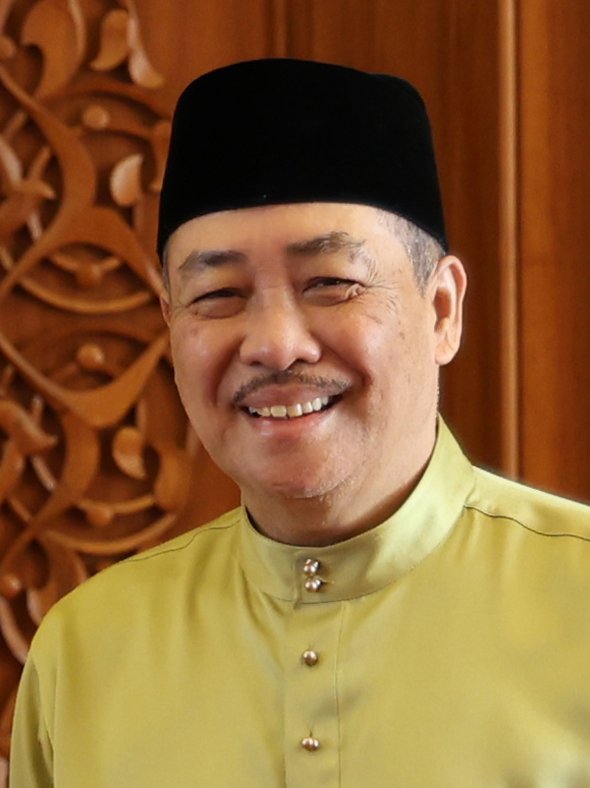
1955—
Hajiji Noor
Chief Minister of Sabah and Chairman of Gabungan Rakyat SabahThe long-serving Sulaman assemblyman who became Sabah chief minister in 2020 and won a second term at the 2025 state election.Read biography
1956—
Shafie Apdal
President of Parti Warisan and Member of Parliament for SempornaThe Semporna parliamentarian, former federal minister and Warisan founder who led Sabah from 2018 until the 2020 state election.Read biography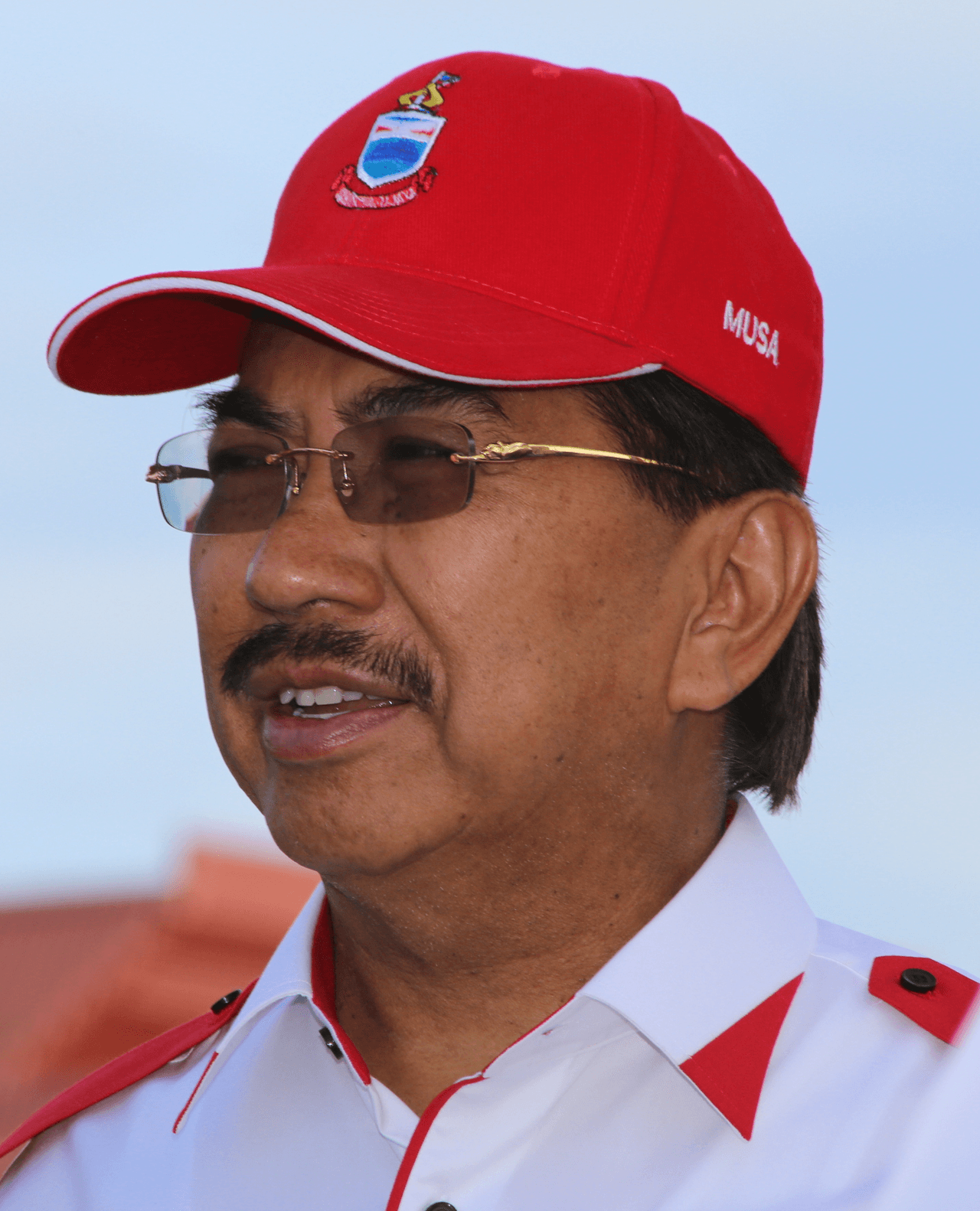
1951—
Musa Aman
Yang di-Pertua Negeri of SabahThe former Sungai Sibuga assemblyman who led Sabah for fifteen years, contested the 2018 transition and returned as Yang di-Pertua Negeri.Read biography
1948—
Jeffrey Kitingan
President of STAR and Member of Parliament for KeningauThe Keningau MP, Tambunan assemblyman and STAR founder whose long career centres on Sabah autonomy, MA63 and Indigenous political representation.Read biography1958—
Joachim Gunsalam
Deputy Chief Minister of Sabah and President of PBSThe physician and six-term Kundasang assemblyman who rose through PBS, entered Sabah’s senior cabinet and became the party’s third president.Read biography
1950—
Masidi Manjun
Deputy Chief Minister and Finance Minister of SabahThe lawyer and former public administrator who has represented Karanaan since 2004 and now serves as Sabah’s Deputy Chief Minister II and finance minister.Read biography
1983—
Ewon Benedick
Deputy Chief Minister of Sabah and President of UPKOThe Penampang MP and Kadamaian assemblyman who leads UPKO and became Sabah’s Deputy Chief Minister III after the 2025 state election.Read biography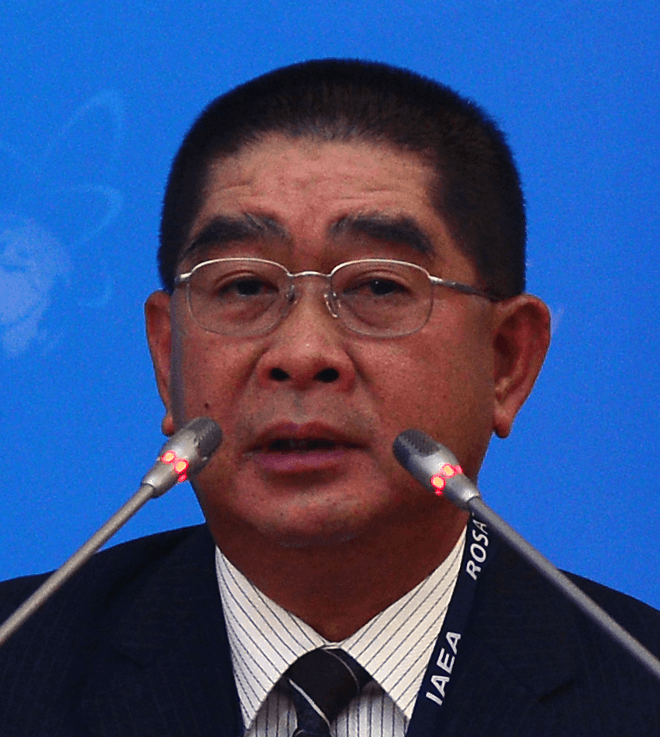
1953—
Maximus Ongkili
Chairman of the Energy Commission of Sabah and former PBS PresidentThe researcher-turned-politician who represented Sabah in Parliament for twenty-seven years, led several federal ministries and became PBS’s second president.Read biography
1958—
Wilfred Madius Tangau
Member of Parliament for Tuaran and Assemblyman for TamparuliThe forester and development researcher who became a long-serving Tuaran MP, led UPKO and won a second elected mandate in Tamparuli in 2025.Read biography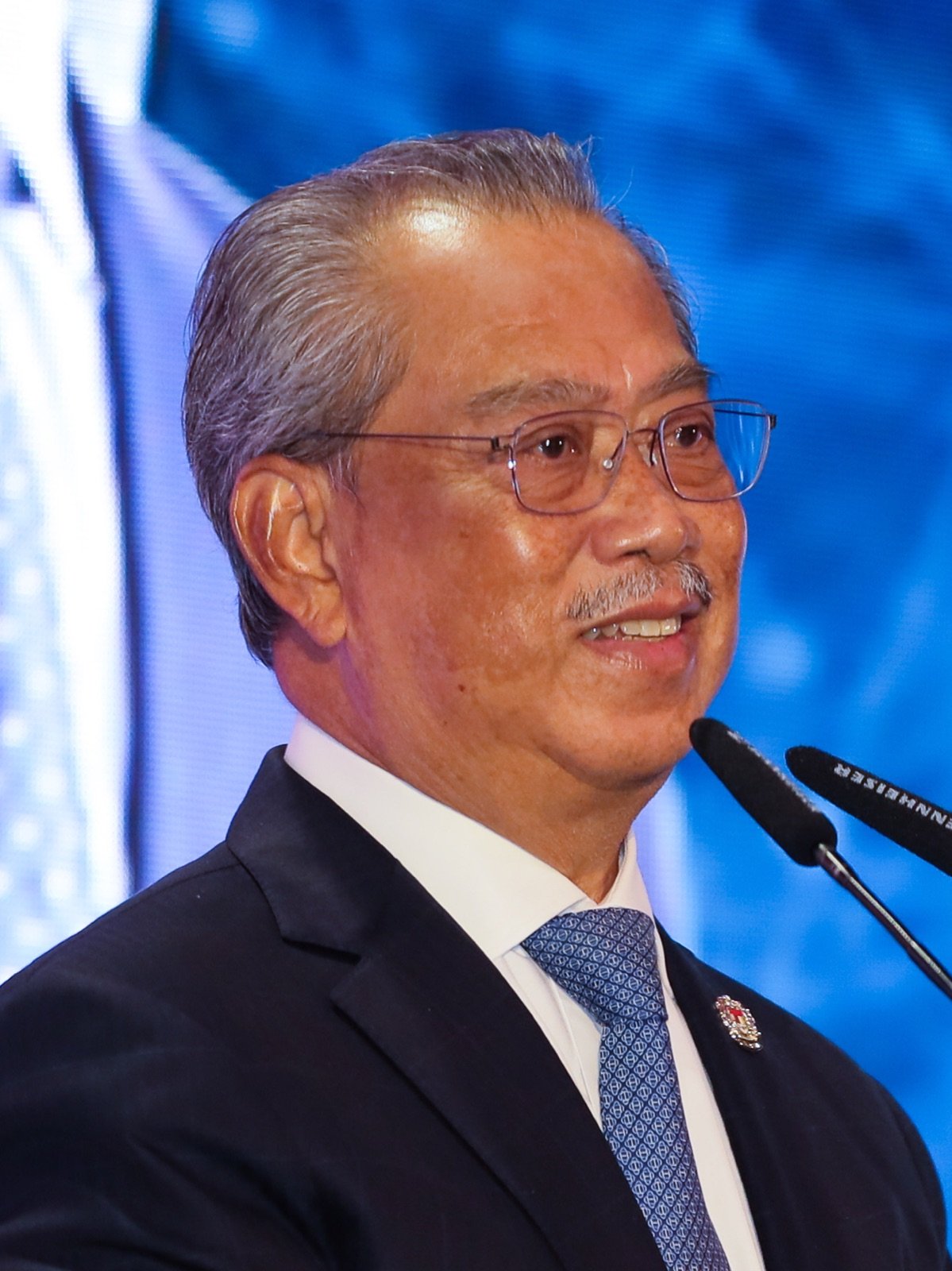
1947—
Muhyiddin Yassin
Eighth Prime Minister of MalaysiaA veteran Johor politician who became prime minister after the 2020 coalition crisis and governed through the most disruptive phase of the pandemic.Read biographyQuick answers
Common questions
- When was the 2020 Sabah state election held?
- Polling took place on 26 September 2020.
- How many seats did GRS win in 2020?
- The GRS-aligned parties won 38 of 73 elected seats: PN seventeen, BN fourteen and PBS seven.
- How many seats did Warisan Plus win?
- Warisan Plus won 32 seats: 29 under the Warisan ticket, two for PKR and one for UPKO. Six DAP winners were included within the Warisan-ticket total.
- Who became Sabah chief minister after the election?
- Hajiji Noor was sworn in as chief minister on 29 September 2020.
- Why was the Sabah assembly dissolved in 2020?
- Shafie Apdal requested dissolution after Musa Aman claimed that defections had given him majority support for a new government.
- What was voter turnout in 2020?
- ElectionData records 749,083 voters and turnout of 66.6 percent from an electorate of 1,124,598.
- Did Warisan Plus receive more votes than GRS?
- In ElectionData’s alliance grouping, Warisan Plus received 317,541 votes and GRS 316,049, but GRS won more constituencies under first-past-the-post.
- Did the Sabah election cause Malaysia’s COVID-19 wave?
- It was not the only cause, but peer-reviewed research found direct and spill-over increases in transmission associated with election mass gatherings and travel.
- Was GRS already a registered coalition in 2020?
- No. GRS was a PN–BN–PBS election umbrella in 2020 and became a formally registered coalition on 11 March 2022.
Primary and institutional sources
How this history was checked
The Election Commission establishes the official seat totals and timetable; ElectionData supplies turnout and alliance-level vote aggregation; Bernama records the dissolution chronology and Hajiji Noor’s appointment; ISEAS, peer-reviewed public-health research and a University of Hawai‘i Press volume explain the political and pandemic context. This article was reviewed on 4 October 2026.
- Election Commission of MalaysiaOfficial Full Results of the 16th Sabah State Election
- ElectionData.mySabah 2020 State Election Results and Turnout
- Election Commission of Malaysia, Sabah OfficeDates of Parliamentary and State Elections in Sabah
- ISEAS – Yusof Ishak InstituteSabah Elections 2020: How Did GRS Win?
- BernamaHajiji Sworn In as Sabah’s 16th Chief Minister
- BernamaChronology of the 2020 Sabah Political Crisis and Dissolution
- PLOS Computational Biology · PubMed CentralEstimating Direct and Spill-Over Impacts of Political Elections on COVID-19 Transmission
- ISEAS – Yusof Ishak InstituteCOVID-19 and the Sabah State Election
- University of Hawai‘i PressSabah from the Ground: The 2020 Elections and the Politics of Survival
- Wikimedia CommonsHajiji Noor Portrait and Public-Domain Record