
The short answer
The 2016 election brought a long-serving Davao mayor to the presidency and produced a vice president from a rival ticket. Automated counting made the presidential trend visible quickly, but the close Robredo–Marcos vice-presidential result led to a five-year tribunal case. The vote reshaped party alliances, campaign communication and the geography of national power.
Chronology
A timeline of the turning points
Candidate filing produces a fluid field
Parties registered candidates while substitution rules kept Rodrigo Duterte’s eventual candidacy unresolved.
COMELEC accepts Duterte’s substitution
The Davao City mayor replaced PDP–Laban’s original presidential nominee.
The country votes through an automated system
Precinct machines counted ballots and electronically transmitted results through successive canvassing levels.
The presidential result becomes clear quickly
Duterte built an insurmountable plurality while the vice-presidential contest remained much closer.
The joint congressional committee completes its canvass
Certificates from provinces, cities and overseas voting established the official national totals.
Congress proclaims Duterte and Robredo
Rodrigo Duterte was declared president-elect and Leni Robredo vice president-elect.
Marcos files a vice-presidential protest
The Presidential Electoral Tribunal later conducted a pilot-province revision and dismissed the protest on the merits.
The new president and vice president take office
Separate inaugurations reflected a split result between candidates from opposing tickets.
What made the 2016 campaign different?
Rodrigo Duterte entered as a long-serving mayor rather than a national-office holder. His campaign presented Davao City as evidence of decisive local leadership and made crime, drugs and Manila-centred government dominant issues.
Social media, volunteer networks and direct candidate communication played a larger role than in earlier presidential contests. Television and established parties remained important, but campaign narratives moved more rapidly between rallies, news coverage and online communities.
What did the official presidential result show?
Congress recorded 16,601,997 votes for Duterte, the highest total in the presidential field. Manuel Roxas II, Grace Poe, Jejomar Binay and Miriam Defensor Santiago divided the remaining major vote blocs.
Duterte won a plurality rather than an absolute majority. His geographic strength in Mindanao, Metro Manila and much of the Visayas assembled a national victory around a candidate identified strongly with a city outside the capital.
Why did president and vice president come from different tickets?
Philippine voters select the two offices separately. Leni Robredo ran with Roxas, while Duterte’s running mate was Alan Peter Cayetano. Separate voting allowed Duterte and Robredo to win even though they represented different coalitions.
Congress proclaimed Robredo with 14,418,817 votes, 263,473 more than Ferdinand Marcos Jr. The close margin made the vice-presidential canvass and later election protest distinct from Duterte’s much wider presidential plurality.
How did automation shape confidence in the count?
Vote-counting machines produced precinct results and transmitted them electronically, allowing unofficial aggregation and the presidential trend to emerge quickly. Congress still performed the constitutional canvass using certified results.
Automation reduced the long manual count associated with earlier elections but did not remove disputes. Audit logs, ballot images, transmission, machine configuration and source-code review became the new technical vocabulary of electoral trust.
What did the election change politically?
Duterte’s victory weakened the national dominance of the Liberal Party and elevated a Mindanao-based political network. Legislators rapidly reorganised into a new governing majority after the result.
The campaign’s punitive language and direct social-media style also changed expectations of presidential communication. Debates over public order, human rights, disinformation and institutional checks would define the administration that followed.
Continue the chronology
Related history guides
The 2004 Presidential Election
Compare the slow manual canvass and unresolved presidential protest of an earlier contest.
Read the timeline2011–2012The Renato Corona Impeachment
Read the largest institutional confrontation of the preceding administration.
Read the timeline1992–2016Democratic Consolidation and Crisis
Follow six presidential contests and the institutions that mediated them.
Read the timelineMay 2022The 2022 Presidential Election
Continue to the Marcos–Duterte majorities and the next national realignment.
Read the timelineConnected biographies
Candidates and institutional figures around the 2016 transfer of power
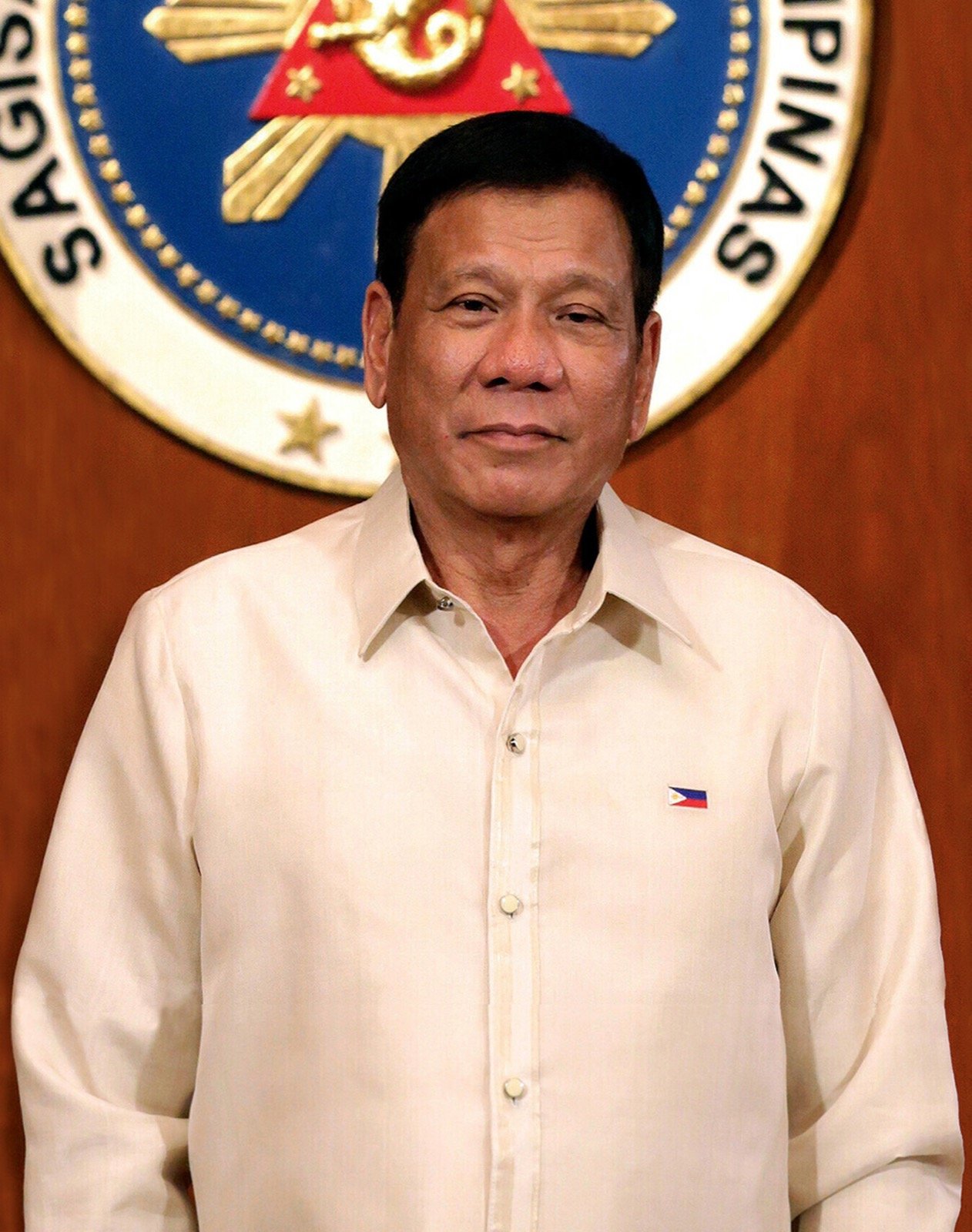
1945—
Rodrigo Duterte
President of the Philippines, 2016–2022The long-serving Davao mayor who became president in 2016 and whose anti-drug campaign is now the subject of an International Criminal Court case.Read biography
1965—
Leni Robredo
Vice president of the Philippines, 2016–2022, and mayor of Naga CityThe lawyer, former vice president and current Naga mayor known for community-based anti-poverty programmes and a volunteer-driven reform movement.Read biography
1957—
Mar Roxas
Legislator, cabinet secretary and presidential candidateAn economist and politician who served in the House, Senate and three cabinet departments before running for vice president in 2010 and president in 2016.Read biography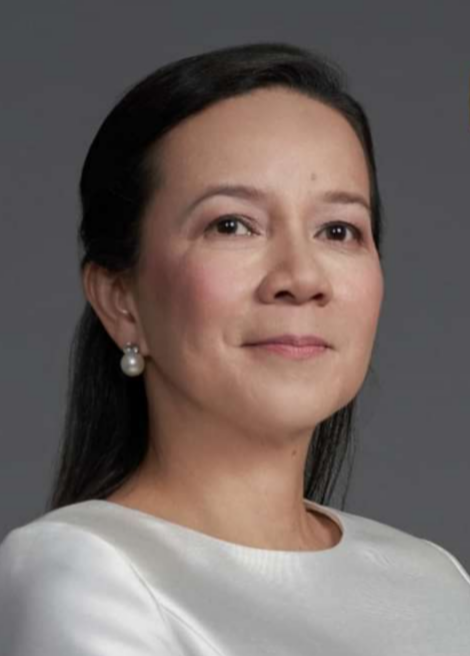
1968—
Grace Poe
Former senator, media regulator and presidential candidateA former media regulator and two-term senator whose 2016 presidential campaign turned her personal history as a foundling into a constitutional test of citizenship and belonging.Read biography
1969—
Chiz Escudero
Lawyer, senator, former Senate president and Sorsogon governorA lawyer and Sorsogon politician who served in the House, Senate and provincial government before leading the Senate from May 2024 to September 2025.Read biography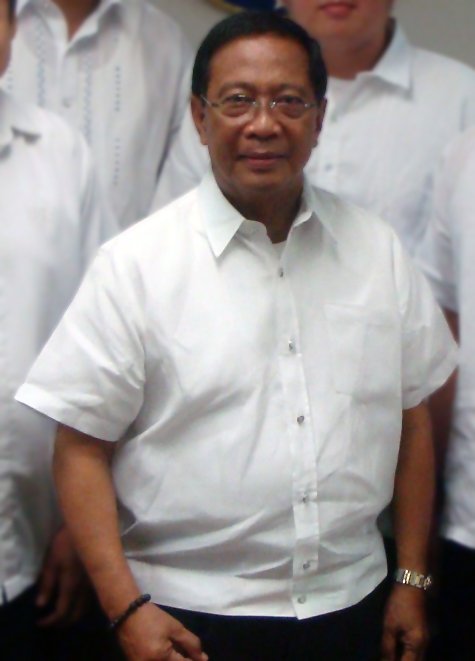
1942—
Jejomar Binay
Human-rights lawyer, Makati mayor and vice presidentA human-rights lawyer under martial law who became Makati’s dominant local executive, vice president from 2010 to 2016 and a presidential candidate.Read biography
1945—2016
Miriam Defensor Santiago
Senator, judge and public administratorA lawyer, judge, cabinet official and senator whose sharp legal arguments and forceful public style made her one of the Philippines’ most recognisable political figures.Read biography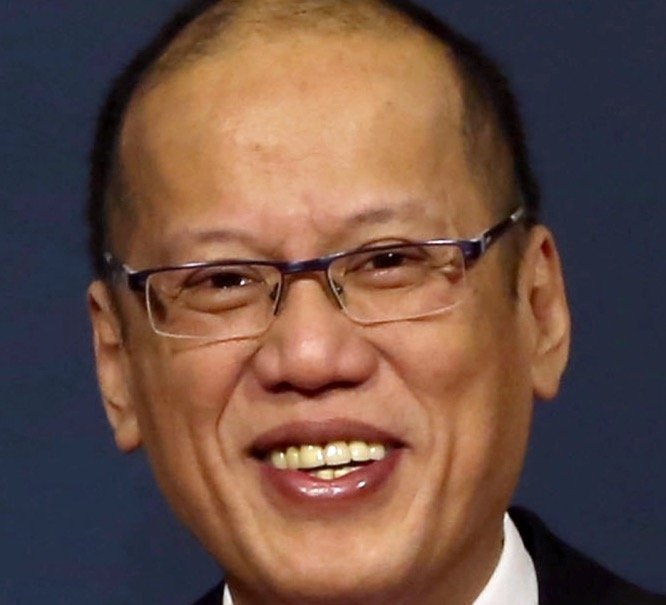
1960—2021
Benigno Aquino III
President of the Philippines, 2010–2016The Philippine president whose Straight Path programme produced major legislation while budget disputes, national crises and maritime arbitration shaped his record.Read biography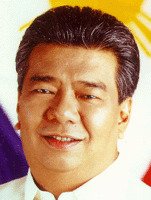
1945—
Franklin Drilon
Lawyer, former cabinet secretary and Senate presidentAn Iloilo-born lawyer who led three cabinet portfolios, served four Senate terms and became Senate president during three separate periods.Read biographyQuick answers
Common questions
- Who won the 2016 Philippine presidential election?
- Rodrigo Duterte won and was proclaimed by Congress with 16,601,997 votes.
- Who became vice president in 2016?
- Leni Robredo was proclaimed vice president with 14,418,817 votes, 263,473 more than Ferdinand Marcos Jr.
- Did Duterte and Robredo run together?
- No. Duterte’s running mate was Alan Peter Cayetano, while Robredo ran with Manuel Roxas II. The two offices are elected separately.
- Was the 2016 election automated?
- Yes. Machines counted precinct ballots and transmitted results, while Congress conducted the constitutional national canvass for president and vice president.
- What happened to the Marcos election protest?
- The Presidential Electoral Tribunal completed revision in selected pilot provinces and ultimately dismissed the vice-presidential protest on the merits in 2021.
Primary and institutional sources
How this history was checked
Dates, legal milestones and historical claims are checked against the official and institutional records below. This article was reviewed on 9 September 2026.
- Congress of the Philippines via Senate archiveResolution of Both Houses No. 1 — official 2016 canvass and proclamation
- Commission on Elections2016 national and local elections records
- Presidential Electoral Tribunal via LawPhilMarcos v. Robredo — final resolution of the 2016 protest
- The LawPhil ProjectRepublic Act No. 9369 — automated election system