In this biography
Quick facts
- Born
- 1848
- Died
- 1928
- Birthplace
- Chelsea, Massachusetts, United States
- Country
- United States
- Nationality
- Not independently established
- Known for
- Carbon-filament manufacturing improvements and work documenting electrical inventions
- Known for
- Carbon-filament manufacturing improvements and work documenting electrical inventions
Why this life matters
Carbon-filament manufacturing improvements and work documenting electrical inventions.
Timeline
Key moments
Drawing and a route into invention
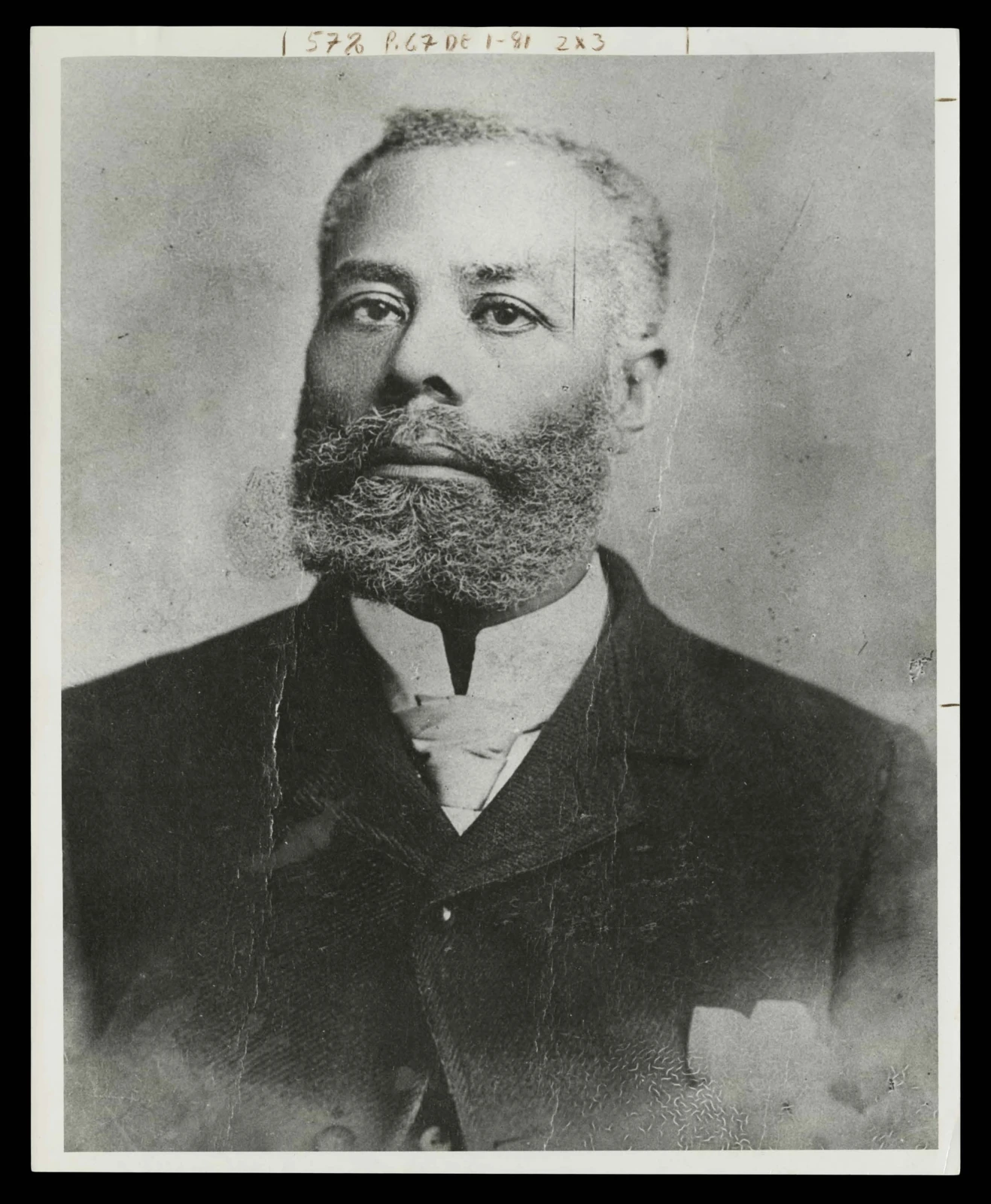
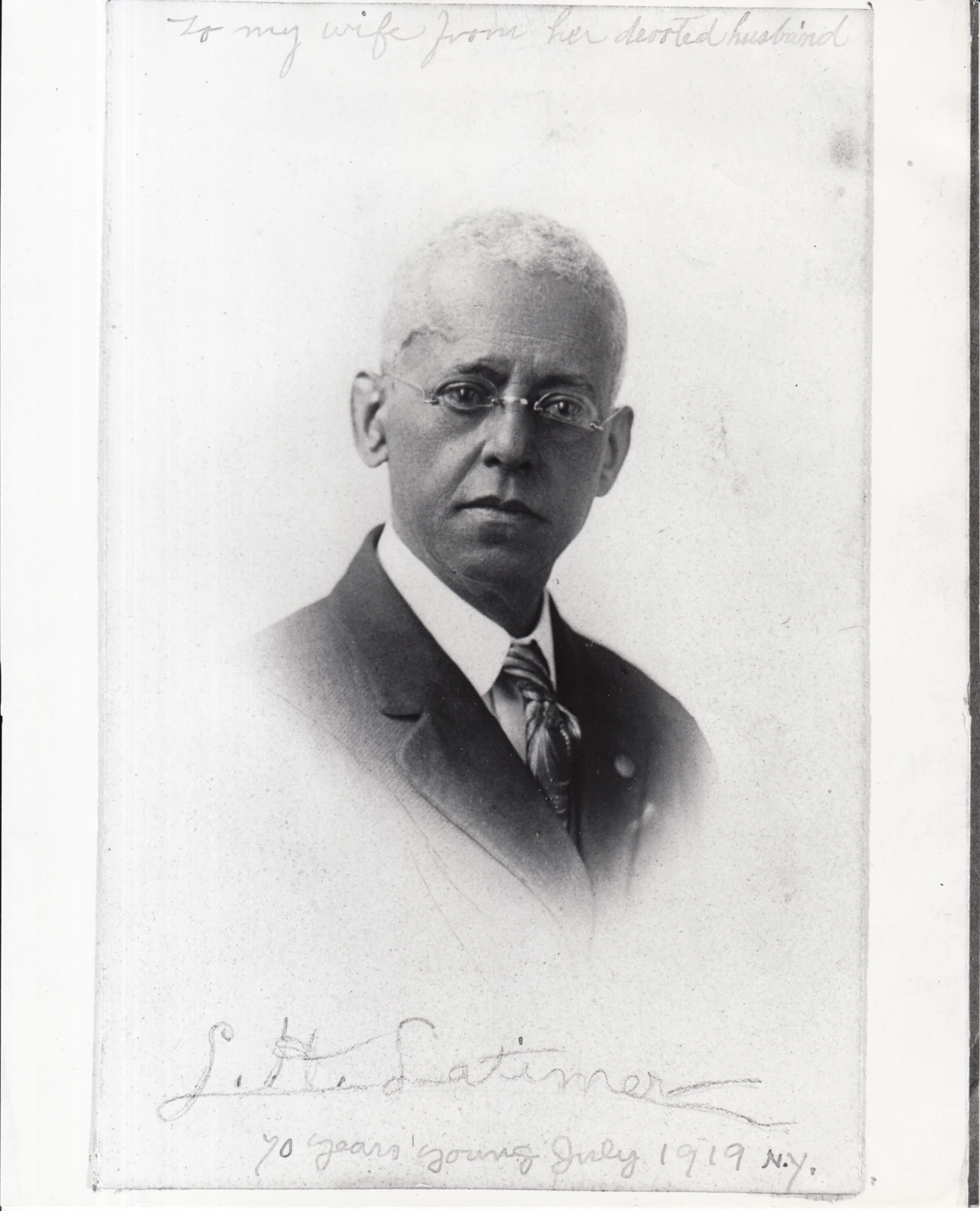
Lewis Howard Latimer was born in Chelsea, Massachusetts, in 1848 to parents who had escaped slavery. He served in the Union Navy during the Civil War and later developed skills as a draftsman. His work included drawings associated with Alexander Graham Bell's telephone patent application. This career illustrates the importance of technical representation: an inventor's proposal needed to be expressed clearly enough for other people to examine it. Drafting was skilled work, not merely decoration placed around a completed invention.
A manufacturing process rather than the whole lamp
While working in electric lighting, Latimer developed improvements in making carbon conductors for incandescent lamps. Patent 252,386, granted in January 1882 after a February 1881 application, concerns carbonising blanks inside protective envelopes whose contraction approximately matches their own. That specific process addresses the handling and formation of delicate carbon material. It is a narrower and more informative claim than saying Latimer invented the light bulb. Lighting depended on multiple components and many contributors, and the patent should be read for the manufacturing improvement it actually describes.
Sources for this section: [2]
Electrical installations and the patent record
Latimer later worked for Edison interests as a patent investigator and expert witness. His career also included involvement in electrical-lighting installations in several countries. He died in 1928. The combination of drafting, manufacturing knowledge and patent analysis gave him a distinctive place in the developing electrical industry. Recognising that role does not require replacing the contributions of other lamp inventors with another solitary-inventor story. His surviving patent offers a concrete way to study what he changed, while institutional biographies supply the larger career in which that improvement was developed and defended.
Quick answers
Frequently asked questions about Lewis Latimer
- What is Lewis Latimer known for?
- Carbon-filament manufacturing improvements and work documenting electrical inventions.
Keep exploring
Lives connected to this story
- Granville Woods
How did Woods’s railway telegraph transmit information to a moving train?
- Garrett Morgan
How do Morgan’s two better-known patents address different hazards?
Sources and further reading
Explore the evidence
These references support the biography and offer further reading. Official records, first-person accounts and independent reporting provide different perspectives; image records document attribution and licensing.
- 1. National Inventors Hall of FameLewis Latimer
Biography read:1848–1928, Chelsea, Navy, drafting, Bellapplication, electriclighting andEdisonpatentwork. Broadbulbinventionheadline narrowedtoactualprocess.
- 2. Lewis H.Latimer / United States Patent Office; Rutgers Edison Papers scanUS252386: Process of Manufacturing Carbons
Actualprimaryopening read:January 17,1882 grant, February 19,1881 application, carbonisableblanks/protectingenvelopes, approximatelymatchedcontraction underheatingwithoutair. No fulluninspectedclaimsetorperformancetableclaimed.
- 3. United States Patent and Trademark OfficeBringing light for all
Root-retrieved institutional passage actually read on 1881 development, the 1882 namedpatent andprotectiveenvelopes. Selectedpassageonly, notafullarticlereadingclaim.