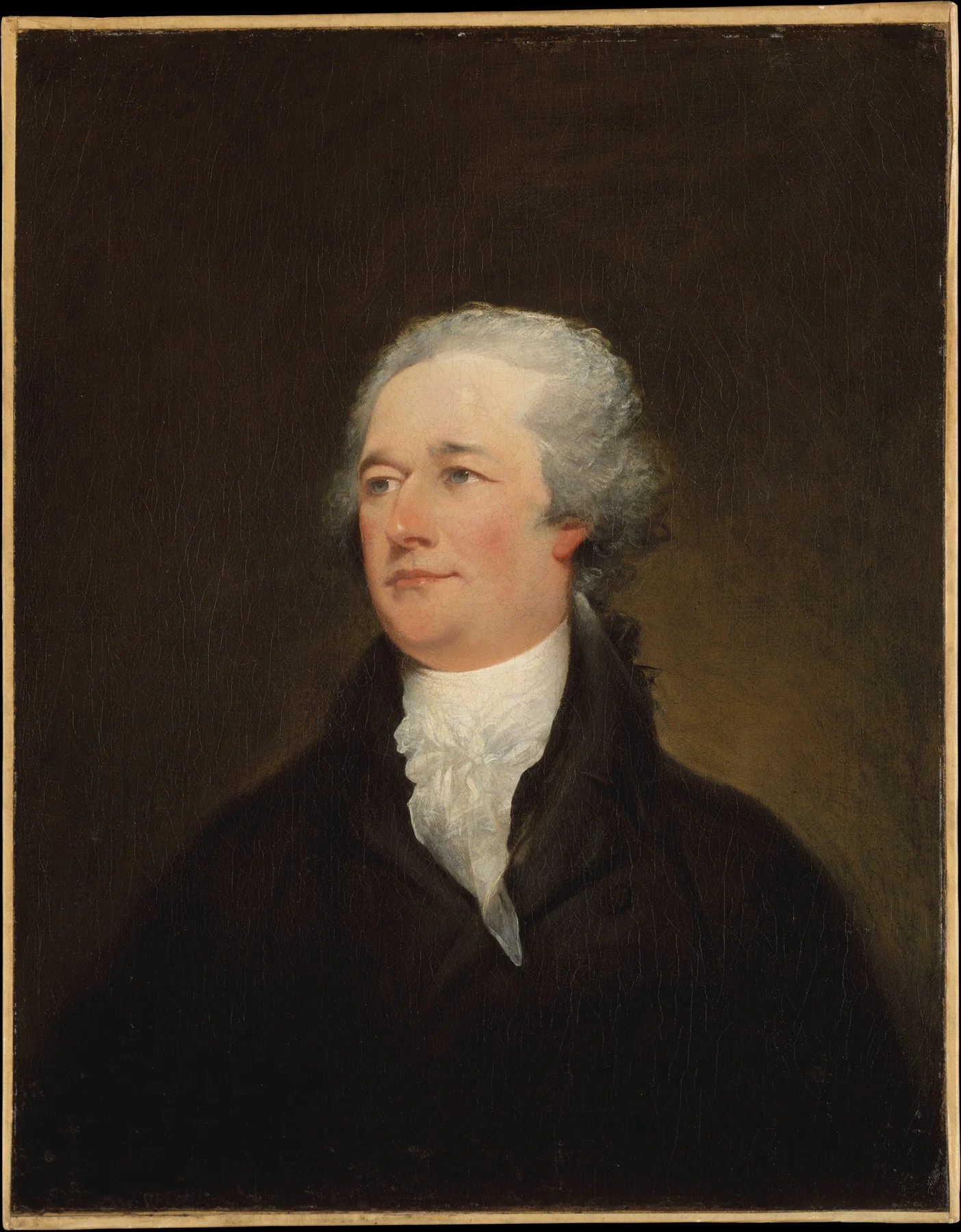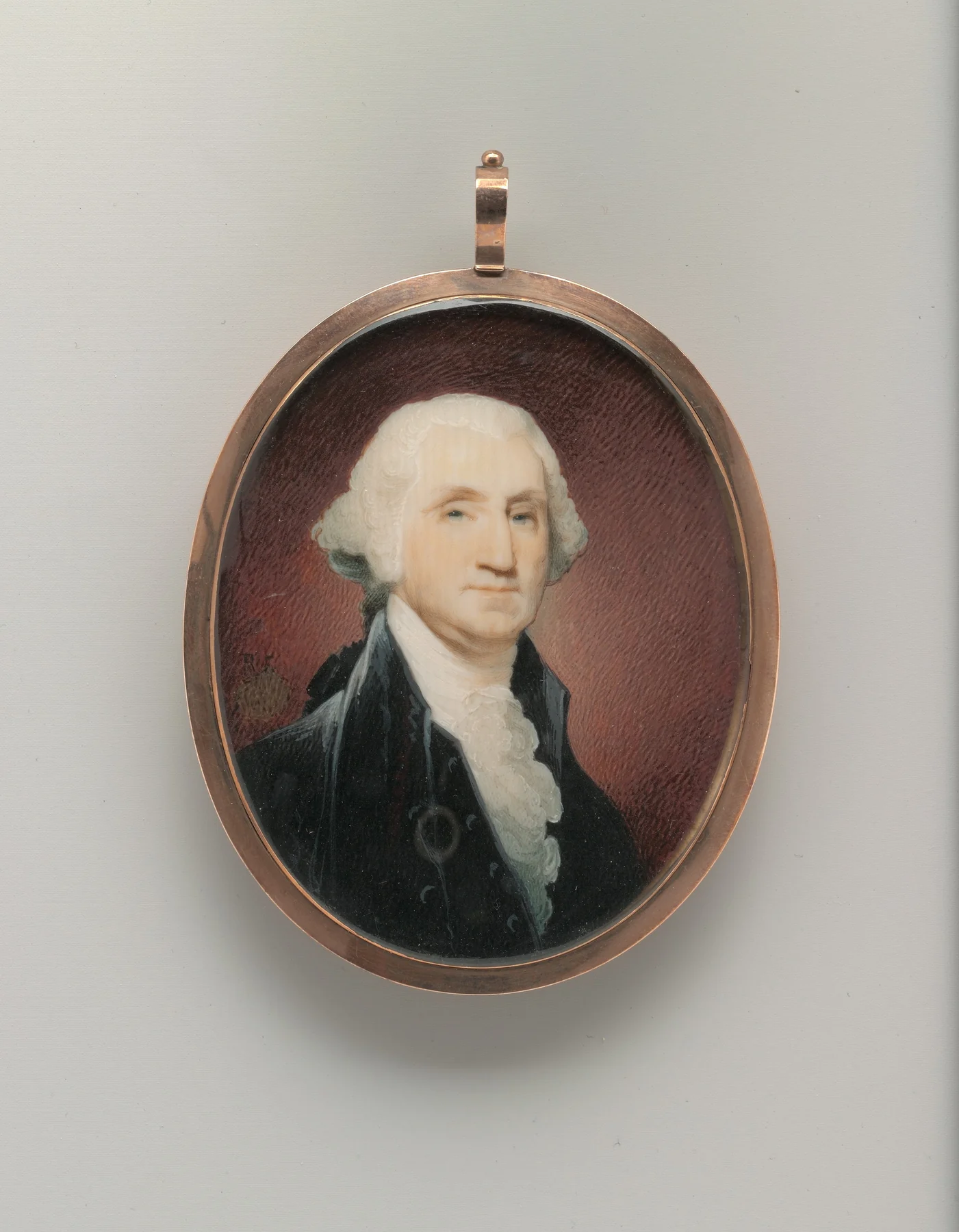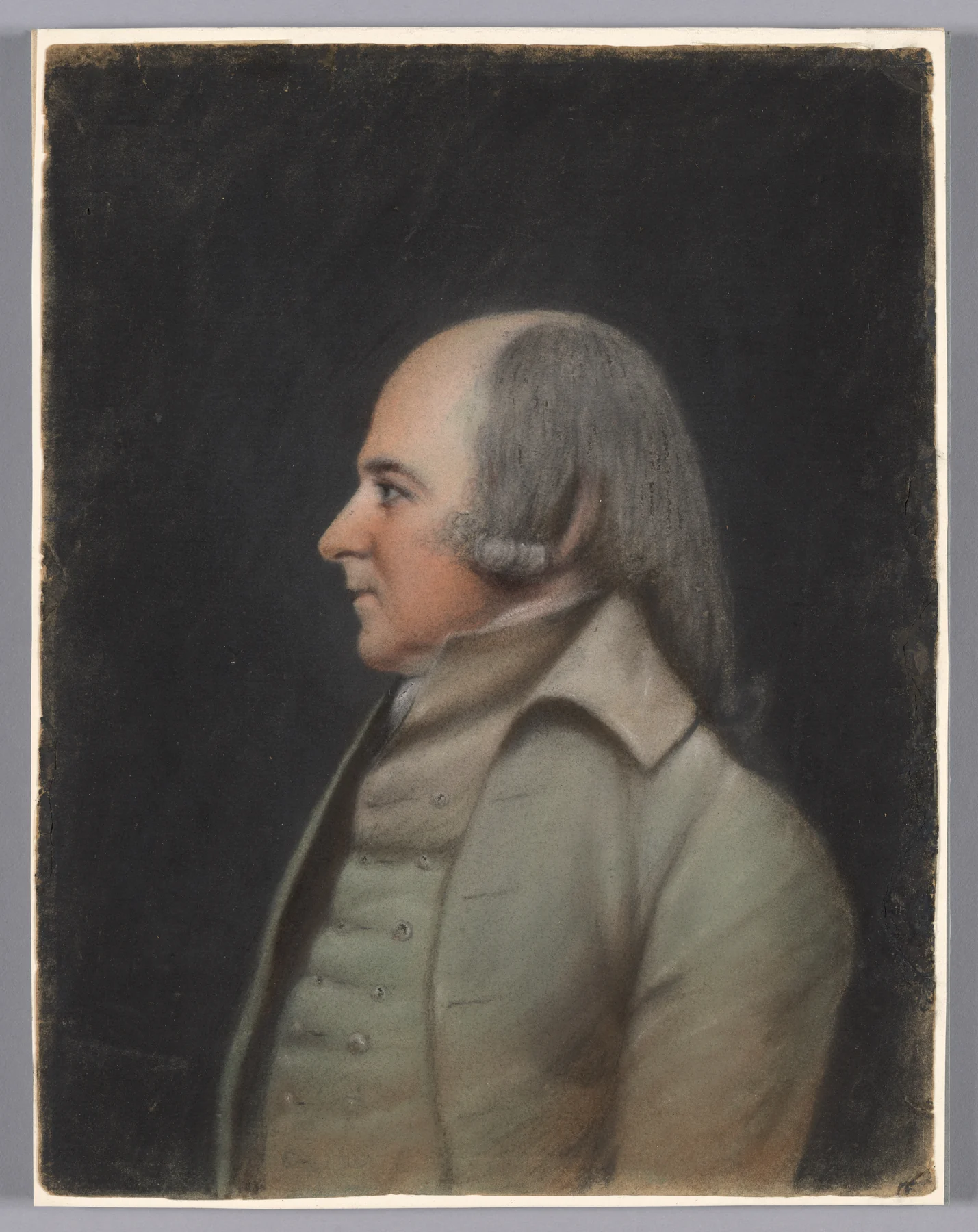
In this biography
Quick facts
- Born
- 30 October 1735
- Died
- 4 July 1826
- Birthplace
- Braintree, Massachusetts, British America
- Country
- United States
- Nationality
- Not independently established
- Known for
- Independence, constitutional design and avoiding full-scale war with France.
- Massachusetts draft
- Principal drafter in 1779
- Vice presidency
- 1789–1797
- Presidency
- 1797–1801
- Death
- 4 July 1826
Why this life matters
His career connects the making of republican constitutions with the difficult exercise of executive power in a divided early republic.
Timeline
Key moments
Birth
Born in Braintree on 30 October in modern calendar dating.
Education and law
Graduated from Harvard and entered legal practice.
Boston Massacre trials
Defended British soldiers with Josiah Quincy.
Continental Congress
Argued for independence and served on the declaration committee.
Massachusetts Constitution
Prepared a draft that the convention debated and revised.
Diplomacy
Worked on peace and diplomatic relations in Europe.
President
Faced the French crisis and signed the Alien and Sedition Acts.
Death
Died on 4 July in Quincy.
A lawyer’s independence before national office
John Adams was born in Braintree, Massachusetts, on 30 October 1735 in modern calendar dating. He graduated from Harvard in 1755 and entered the bar in 1758. His marriage to Abigail Smith in 1764 created a partnership sustained through long separations by letters about family, finances and politics.
In 1770 he agreed to defend British soldiers charged after the Boston Massacre. With co-counsel Josiah Quincy, he challenged the evidence against Captain Preston and distinguished murder from manslaughter in the soldiers’ case. Preston and six soldiers were acquitted; two soldiers were convicted of manslaughter. Defending unpopular clients did not mean endorsing British rule. It expressed his conviction that public anger should not determine a criminal verdict.
Independence required a form of government
Adams served in the Continental Congress and pressed for separation from Britain. He belonged to the five-person committee assigned to draft the Declaration of Independence, while Jefferson wrote its principal text. Adams also argued that independence required written institutions capable of restraining power.
His 1776 Thoughts on Government advocated an executive, a two-house legislature and an independent judiciary. During a visit home in 1779, he became the principal drafter of the Massachusetts Constitution. A convention debated and altered the draft before ratification. The resulting separation of powers was a practical answer to the problem of governing after royal authority had been rejected.
Sources for this section: [2]
Diplomacy and the first vice presidency
Much of the following decade was spent in Europe. Adams worked on diplomatic relations with the Netherlands, helped negotiate peace with Britain and became the first U.S. minister to the British court. Abigail managed children, the farm and finances during many of these absences, while developing a substantial political voice in her correspondence.
Adams became Washington’s vice president in 1789. His association with that administration helped him win the 1796 election, but the original electoral rules placed his political opponent Jefferson in the vice presidency. The new government was developing political parties before its electoral machinery had been redesigned to accommodate them.
The French crisis and restrictions on dissent
Adams’s presidency began in 1797 amid deteriorating relations with France. The undeclared naval conflict known as the Quasi-War intensified arguments about military spending, immigrants and political loyalty. Adams ultimately pursued diplomacy rather than the larger war sought by some Federalists, including Hamilton.
He also signed the Alien and Sedition Acts in 1798. The four measures had different purposes, including immigration restrictions and punishment of certain hostile writings. Republican newspaper editors were prosecuted under the Sedition Act. His administration’s part in those prosecutions is not erased by his reputation as a defender of law in 1770. The controversy tested whether the new republic would protect opposition as well as governing authority.
Defeat, retirement and correspondence
Divisions with Hamilton weakened Adams within his own party. Jefferson’s better organised Republicans defeated him in 1800, and Adams left office in 1801. His presidency had avoided a full war with France but left a bitter dispute over civil liberties and executive authority.
Back in Quincy he continued to write and eventually renewed correspondence with Jefferson. Abigail died before him; Adams lived until 4 July 1826, when Jefferson also died. His public life left both an enduring model of balanced government and a warning about how fear of foreign conflict can narrow the freedom of political opponents.
Quick answers
Frequently asked questions about John Adams
- Why do some records give 19 October 1735 for Adams’s birth?
- The date 19 October uses the old Julian calendar. 30 October is the modern Gregorian equivalent used here.
- Did Adams write the whole Massachusetts Constitution alone?
- He prepared the principal draft, which a convention debated and revised before ratification.
Keep exploring
Lives connected to this story
- George Washington
Adams served two terms as Washington’s vice president.
- Thomas Jefferson
Their electoral rivalry later gave way to renewed correspondence.
- Alexander Hamilton
Conflict within the Federalist leadership shaped Adams’s presidency and defeat.
Sources and further reading
Explore the evidence
These references support the biography and offer further reading. Official records, first-person accounts and independent reporting provide different perspectives; image records document attribution and licensing.
- 1. Miller Center, University of VirginiaJohn Adams: Life in Brief
Complete C. James Taylor biographical essay read; interpretive praise and the blanket statement that Adams did not implement the 1798 acts are not adopted.
- 2. Massachusetts Supreme Judicial Court / Mass.govJohn Adams, Architect of American Government
Actual indexed full substantive guide body read: education, Boston Massacre trials with Quincy, constitution drafting/revision and later rights. Origin 403. Quock Walker/current-law assertions are not needed or adopted here.
- 3. National ArchivesAlien and Sedition Acts, 1798: document introduction and transcripts
Actual web lines 25–103 read: context, four distinct acts, prosecutions and first Alien Act provisions. Full Sedition Act transcript below displayed range not claimed read; no present legal advice.
- 4. Smithsonian National Portrait GalleryJohn Adams, NPG.75.52
Actual indexed exact artwork record read: sitter 30 October 1735–4 July 1826; artistJohn Trumbull, former attribution Gilbert Stuart, CC0. Distinguish current artist attribution and later selected Met pastel.