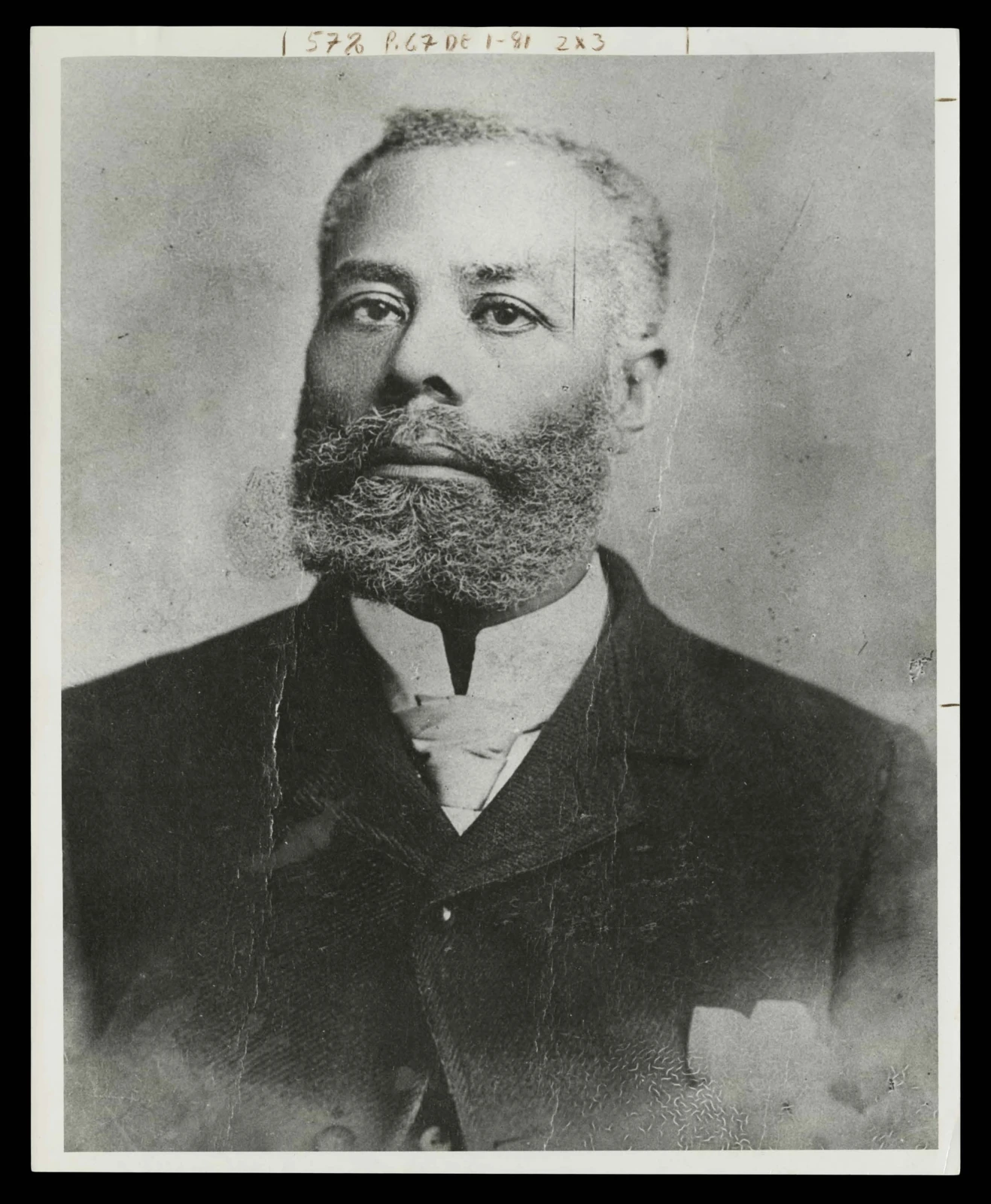
In this biography
Quick facts
- Born
- 1883
- Died
- 1959
- Birthplace
- Howard County, Maryland, United States
- Country
- United States
- Nationality
- Not independently established
- Known for
- Graphical calculation methods for long transmission lines and power-system analysis
- Known for
- Graphical calculation methods for long transmission lines and power-system analysis
Why this life matters
Graphical calculation methods for long transmission lines and power-system analysis.
Timeline
Key moments
Mathematics and the work of a human computer
Edith Clarke was born in Howard County, Maryland, in 1883 and studied mathematics and astronomy at Vassar. After teaching, she returned to engineering study and worked at AT&T as a human computer, performing calculations that supported engineers. Her 1919 MIT master's thesis investigated transmission-line behaviour. This background links her later inventions with a practical difficulty: increasingly large electrical systems demanded calculations that were laborious to perform by hand, while the people doing them did not always receive the status or opportunities of engineers.
An engineering role at General Electric
Clarke worked at General Electric, spent a period teaching in Constantinople and returned to an engineering appointment in 1922. Her work concerned the analysis of power systems as their scale and complexity increased. The methods appropriate to a short transmission line could not simply be carried over without examining their assumptions. Her graphical calculator addressed calculations involving long-line characteristics. The patent application dates from 1921 and the grant from 1925, making the development and the legal record separate stages rather than one interchangeable anniversary.
Making difficult analysis more usable
Clarke's contribution combined mathematical understanding with ways to make it accessible to working engineers. The calculator was a graphical aid, not a digital computer hidden inside an early twentieth-century instrument. Its usefulness depended on the equations represented and the line model being appropriate to the problem. She died in 1959. Her career shows how technical progress can involve improving the route from an established theory to a usable calculation, alongside developing new physical equipment. Recognising that analytical work also restores the skilled human computation that supported the expansion of electrical networks.
Quick answers
Frequently asked questions about Edith Clarke
- What is Edith Clarke known for?
- Graphical calculation methods for long transmission lines and power-system analysis.
Keep exploring
Lives connected to this story
- Shinji Sogo
What did the 1961 World Bank loan finance in the Shinkansen project?
- Beatrice Shilling
Why did a carburettor need Shilling’s restrictor during negative-g flight?
Sources and further reading
Explore the evidence
These references support the biography and offer further reading. Official records, first-person accounts and independent reporting provide different perspectives; image records document attribution and licensing.
- 1. National Inventors Hall of FameEdith Clarke
Actualbiographicalopeningandrootretrievedscopedentry read:1883–1959, HowardCounty, Vassar 1908, teaching, AT&T humancomputer andgraphicalcalculator. Broadnumericalspeedclaimnotused.
- 2. IEEE Spectrum,2024Edith Clarke: Architect of Modern Power Distribution
Actualindexedprofessionalhistory read:GEhumancomputers, Constantinopleteaching,1922 engineeringappointment andgrowingpower-systemanalysisneeds. Technicalclaimsymmetricalcomponentsnotexpandedwithoutpaper.
- 3. Edith Clarke / United States Patent OfficeUS1552113A: Calculator
Actualprimaryopening andindexedoriginalPDFfirst-pagepassagesread:June 8,1921 filing, September 1,1925 grant, long-linecharacteristics, lumpedshort-lineassumptionsandhyperbolicfunctions. Patentchartsnotcopiedorreadfornumericvalues.
- 4. Edith Clarke / MIT,1919Behavior of a lumpy artificial transmission line as the frequency is indefinitely increased
Actualinstitutionalthesiscatalogueread:author, title, MS1919, electricalengineering. Fullthesisnotclaimedreadorusedforadditionaltechnicalresults.