
The short answer
What does Taylor’s task system measure and what does it leave out?
Compare the evidence
Observation, method and result
Compare the inspected records and the different claims they support.
| Record | Evidence | Limit |
|---|---|---|
| Taylor’s primary passage | Reports output, selection, instructions and compensation together. | It is the system’s advocate presenting his own case. |
| Stevens institutional account | Places measurement within a larger management programme. | A retrospective overview is not an independent replication. |
The comparison changes more than one variable
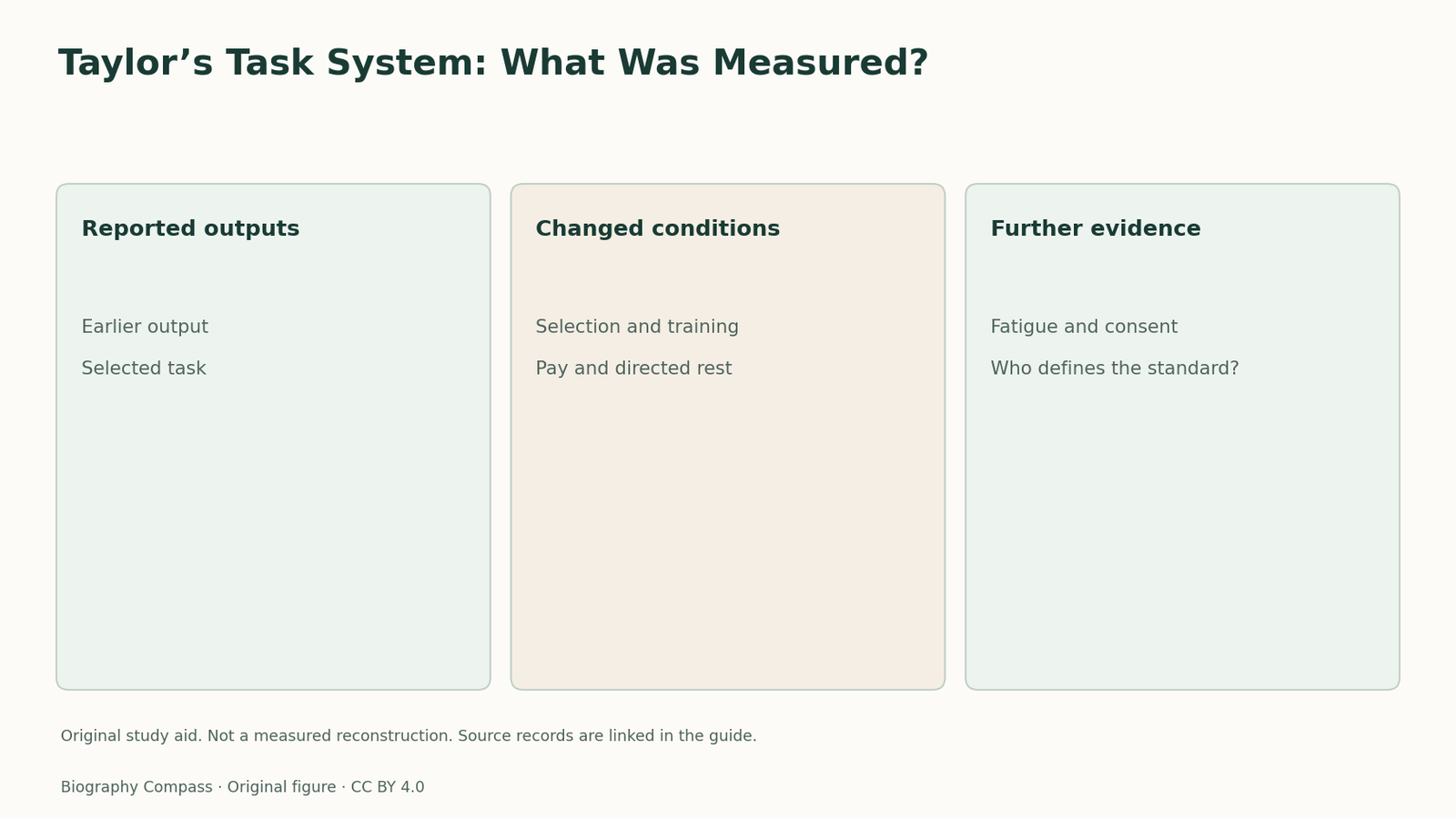
Taylor’s account contrasts an earlier rate of twelve and a half tons of pig iron per worker with a task of forty-seven tons. The same passage describes selecting a worker, directing his effort and rest, and increasing his daily pay. Those details matter to the comparison. The example does not isolate a new instruction while holding every other condition constant. It presents a coordinated management arrangement whose output is part of an argument for the system.
Sources for this section: [3]
A reported result is not a universal law
The Stevens account identifies scientific management with observation, training and management responsibility. Taylor’s primary text shows how those principles could become a story about one demanding physical task. Read the two records together and list what changes: worker selection, instructions, pace and compensation. A supported interpretation recognises the claimed productivity increase while reserving judgment about generalisation. Different jobs, workers and workplaces would need their own evidence; the example cannot establish that every task has an identical improvement available.
Add the questions the output column omits
Draw separate columns for output, pay, rest and decision-making authority. Put only Taylor’s reported information into each, leaving unanswered matters visibly blank. A strong answer explains that an output comparison is valuable but incomplete. It does not by itself measure long-term fatigue, workers’ consent or the distribution of benefits beyond the selected example. This is not a rejection of measurement. It is a way to prevent one measure from silently answering several different social and engineering questions that require additional observations and perspectives.
Continue the chronology
Related history guides
Biography context
Explore United States through connected lives
Connected biographies
People behind the records
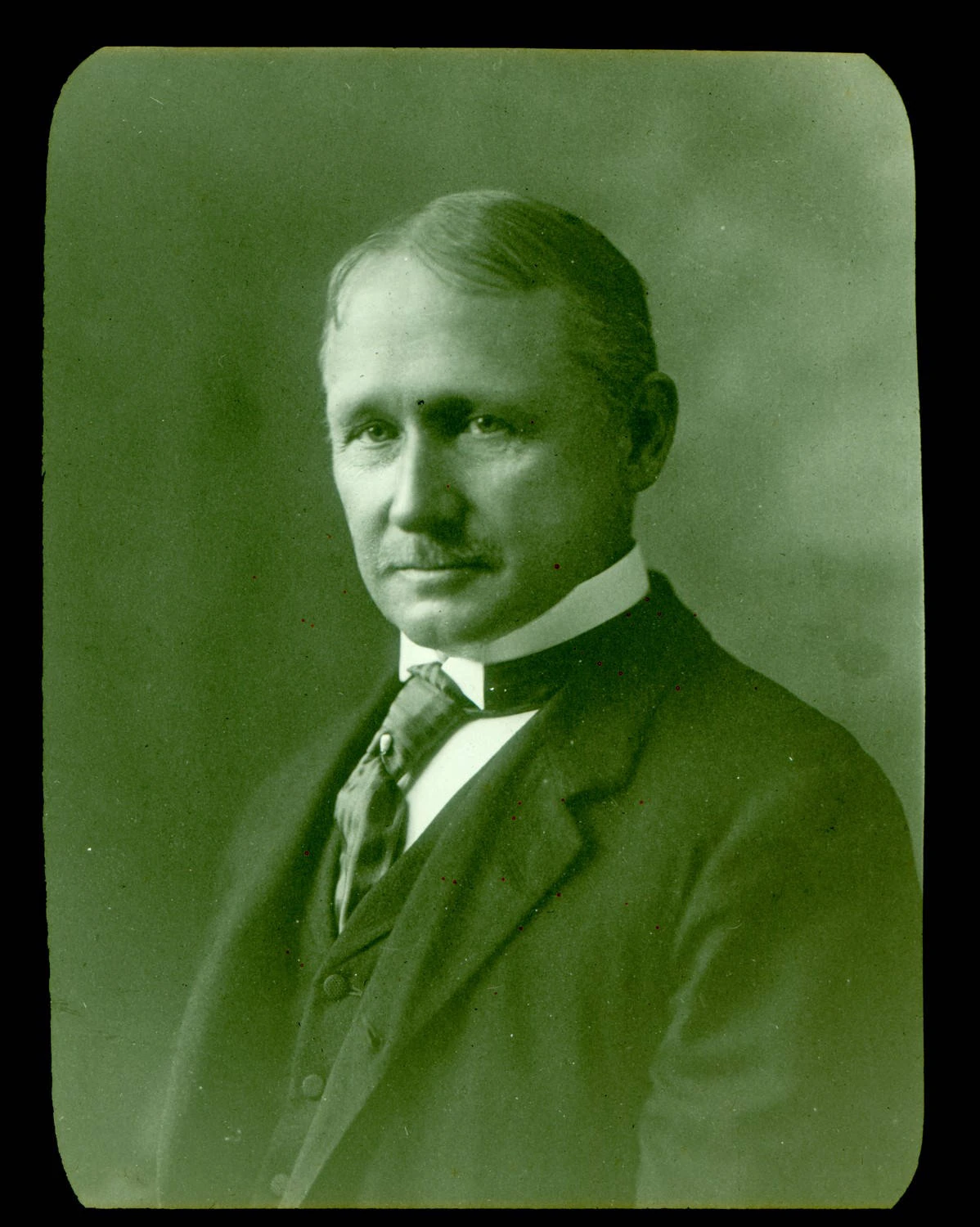
1856–1915
Frederick Winslow Taylor
Mechanical engineer and management consultantFrederick Winslow Taylor combined metal-cutting research with a controversial programme for measuring and organising industrial work.Read biography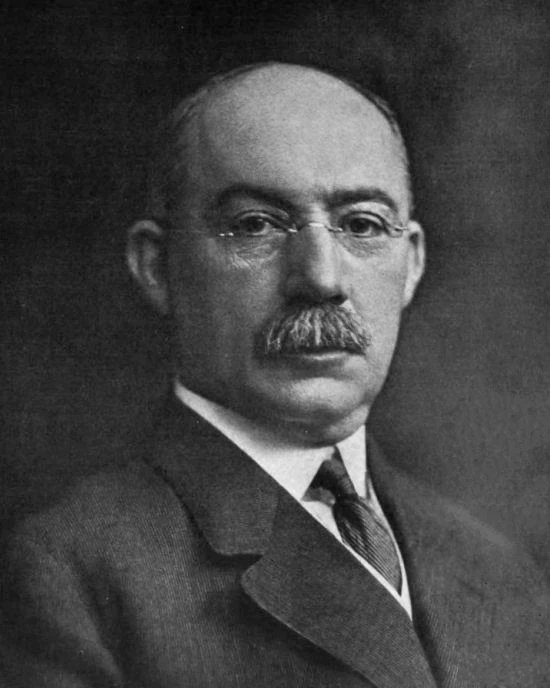
1861–1919
Henry Gantt
Mechanical engineer and management consultantHenry Gantt developed management charts and task-and-bonus methods that connected production planning with attention to the people doing the work.Read biographyQuick answers
Common questions
- What does Taylor’s task system measure and what does it leave out?
- The system measured task performance and proposed new methods and incentives. Output figures alone do not establish long-term welfare, consent or universal applicability.
Primary and institutional sources
How this history was checked
Source notes distinguish documented facts from the explanatory examples and diagrams created for this guide. This article was reviewed on 7 November 2026.