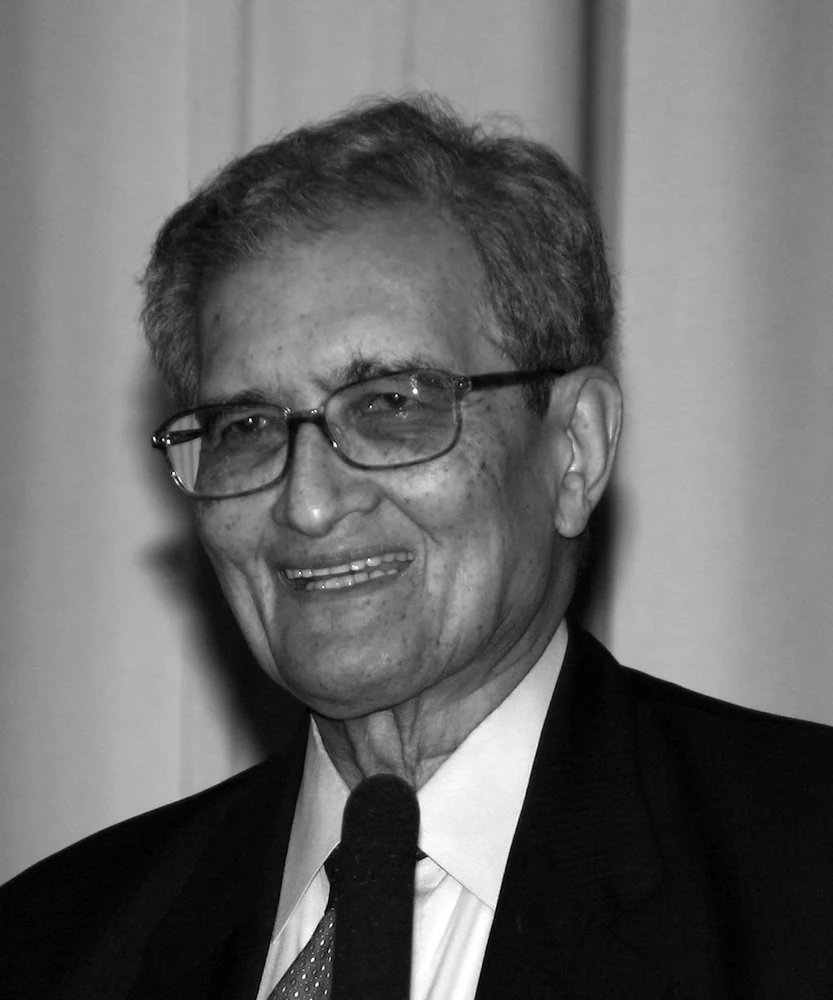
In this biography
Quick facts
- Born
- 20 May 1918
- Died
- 21 July 2004
- Birthplace
- Wilkes-Barre, PA, USA
- Country
- United States
- Nationality
- Not independently established
- Known for
- Connecting bithorax genetic organisation with segment identity
Why this life matters
Connecting bithorax genetic organisation with segment identity
Timeline
Key moments
Birth
Edward B. Lewis was born in Wilkes-Barre, PA, USA.
Bithorax synthesis
Published the influential review of a gene complex controlling segmentation.
Nobel recognition
Received Nobel recognition for the work described in the official award record.
A genetics career developed through Minnesota and Caltech
Edward Butts Lewis was born in Wilkes-Barre, Pennsylvania, in 1918. He received a Minnesota bachelor’s degree in 1939 and a Caltech doctorate in 1942. Military service during the Second World War took him into meteorology and oceanography in the Pacific. He joined the Caltech faculty in 1946 and later became its Thomas Hunt Morgan Professor of Biology. These appointments anchored a long career in fruit-fly genetics, using inherited variations to investigate questions about how organised body structures arise.
The bithorax problem concerned identity as well as repetition
Lewis investigated mutations in the bithorax complex, where structures associated with one body region could develop with characteristics of another. Such homeotic changes ask a different question from whether an embryo produces repeated units at all. The 1978 Nature review related patterns of mutant effects to genetic organisation and proposed regulatory explanations. Its reasoning depended on comparisons among inherited changes and their visible developmental consequences, rather than the claim that an isolated chromosome image directly displayed a finished body plan.
Genetic maps preceded a detailed molecular account
The review proposed a relationship between position within the complex and the body regions affected. It also advanced hypotheses about repression and regulatory control. These were historically important models, not a completed DNA sequence or an infallible modern inventory of protein-coding genes. A 1983 collaborative paper involving Welcome Bender, Michael Akam, François Karch, Philip Beachy, Mark Peifer, Pierre Spierer, Lewis and David Hogness brought molecular isolation and mapping to the complex. That later stage supplied information unavailable from genetic and phenotype relationships alone.
Recognition joined complementary developmental programmes
Lewis shared the 1995 Nobel Prize in Physiology or Medicine with Christiane Nüsslein-Volhard and Eric Wieschaus. He died in Pasadena in 2004. The shared award connected distinct approaches to genetic control of development: segment identity and early segment-pattern organisation were related without being the same question. Lewis’s contribution shows how a sustained genetic programme can infer meaningful organisation before every molecular detail is known. Its value does not depend on preserving every early mechanistic proposal unchanged; it lies in the experimental relationships that made later molecular tests possible.
Quick answers
Frequently asked questions about Edward B. Lewis
- Where did Lewis spend his long faculty career?
- At Caltech, which he joined in 1946.
- Who shared his 1995 Nobel Prize?
- Christiane Nüsslein-Volhard and Eric Wieschaus.
Keep exploring
Lives connected to this story
- Thomas Hunt Morgan
Follow the classical fruit-fly genetics tradition that supplied tools for later developmental questions.
- Eric F. Wieschaus
Compare changes in segment identity with early pattern-class evidence.
Sources and further reading
Explore the evidence
These references support the biography and offer further reading. Official records, first-person accounts and independent reporting provide different perspectives; image records document attribution and licensing.
- 1. Edward B. Lewis, Nature, 1978A gene complex controlling segmentation in Drosophila
- 2. Bender, Akam, Karch, Beachy, Peifer, Spierer, Lewis and Hogness, Science, 1983Molecular Genetics of the Bithorax Complex in Drosophila melanogaster
- 3. Nobel Prize OutreachEdward B. Lewis — Facts
- 4. Nobel Prize OutreachEdward B. Lewis — Biographical