In this biography
Quick facts
- Born
- 20 November 1910
- Died
- 1 July 1985
- Birthplace
- Baltimore, Maryland, United States
- Country
- United States
- Nationality
- Not independently established
- Known for
- Research on racial and sex discrimination
- Birth name
- Anna Pauline Murray
- Co-author
- Mary O. Eastwood, Jane Crow and the Law
Why this life matters
Murray linked personal experience of exclusion with sustained legal research, writing and public service.
Timeline
Key moments
Hunter College
Completed an English degree.
Legal compilation
Published States’ Laws on Race and Color.
Ministry
Was ordained an Episcopal priest.
Education under unequal conditions
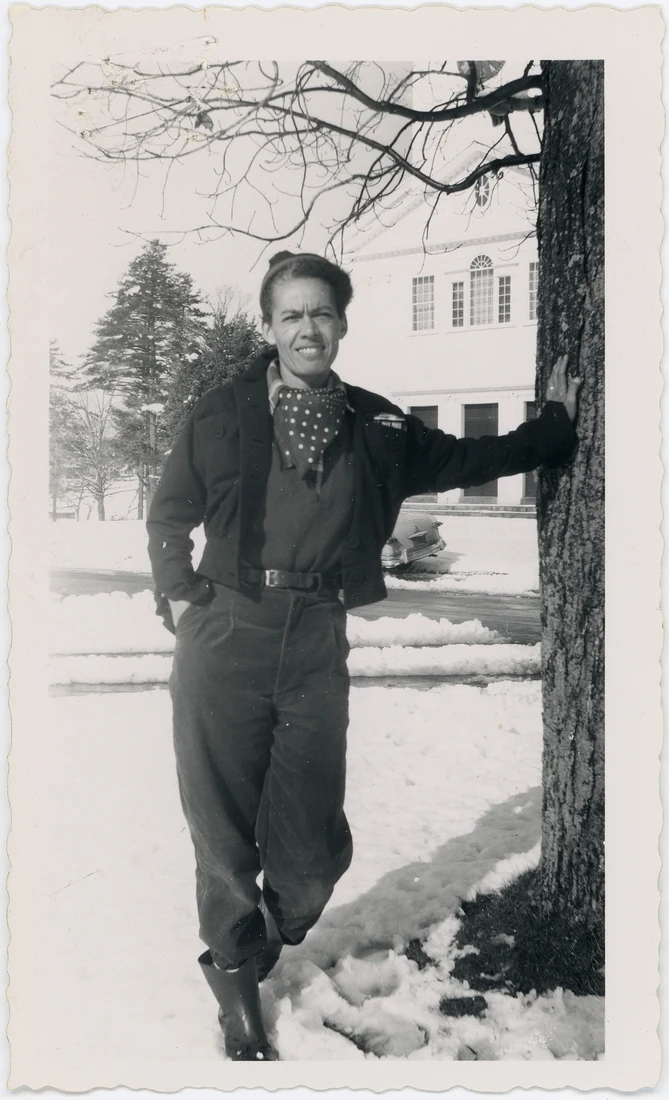
Murray was born in Baltimore and raised partly in Durham, North Carolina. Work financed an English degree at Hunter College, completed in 1933. A later attempt to enter the University of North Carolina was rejected because of race.
The Pauli Murray Center also documents Murray’s questions about gender and requests for medical treatment. This biography uses Murray’s name rather than imposing a single present-day label as a complete account of that experience.
Sources for this section: [1]
Research as a civil-rights tool
After law study at Howard and Berkeley, Murray compiled States’ Laws on Race and Color for Methodist women. The 1951 book made segregation laws available for systematic scrutiny. The National Women’s History Museum describes its circulation among civil-rights lawyers and organisations.
That work is different from arguing a case: a legal reference can support many advocates without its author appearing as counsel in every later dispute. The book’s influence should not be turned into a claim that Murray alone won the cases of the movement.
Sources for this section: [2]
Jane Crow was also a joint argument
Murray and Mary O. Eastwood co-authored Jane Crow and the Law in December 1965. Its opening compared racial and sex discrimination; later selected pages examined employment restrictions presented as protection for women.
The article was an argument about constitutional and statutory interpretation. It was not itself a court ruling, and the shared byline matters. The linked study reads one of its tensions closely rather than presenting every later development in equality law as settled in 1965.
Sources for this section: [3]
Writing, teaching and ministry
Murray published the family history Proud Shoes, taught in Ghana, helped found the National Organization for Women and later taught at Brandeis. A transition to theological training led to Episcopal ordination in 1977. Murray died in Pittsburgh in 1985; the autobiography appeared posthumously.
Poetry, family history, legal research and ministry were different kinds of work. Reading across them reveals a life broader than the familiar phrase Jane Crow, while keeping the purpose and authority of each text distinct.
Quick answers
Frequently asked questions about Pauli Murray
- Did Murray write Jane Crow and the Law alone?
- No. The 1965 article was co-authored with Mary O. Eastwood.
Keep exploring
Lives connected to this story
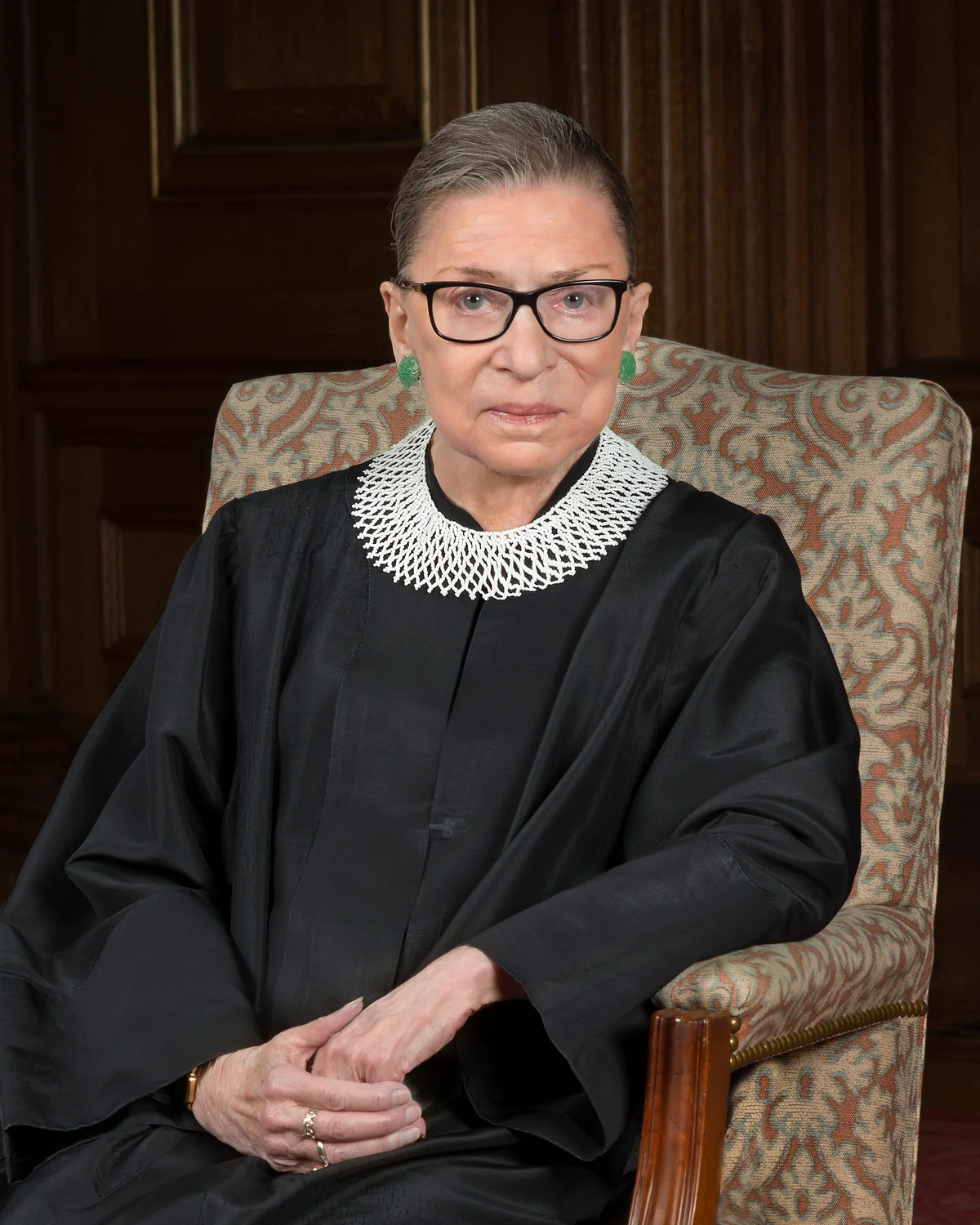
- Ruth Bader Ginsburg
Read a later advocate and justice associated with sex-equality litigation.
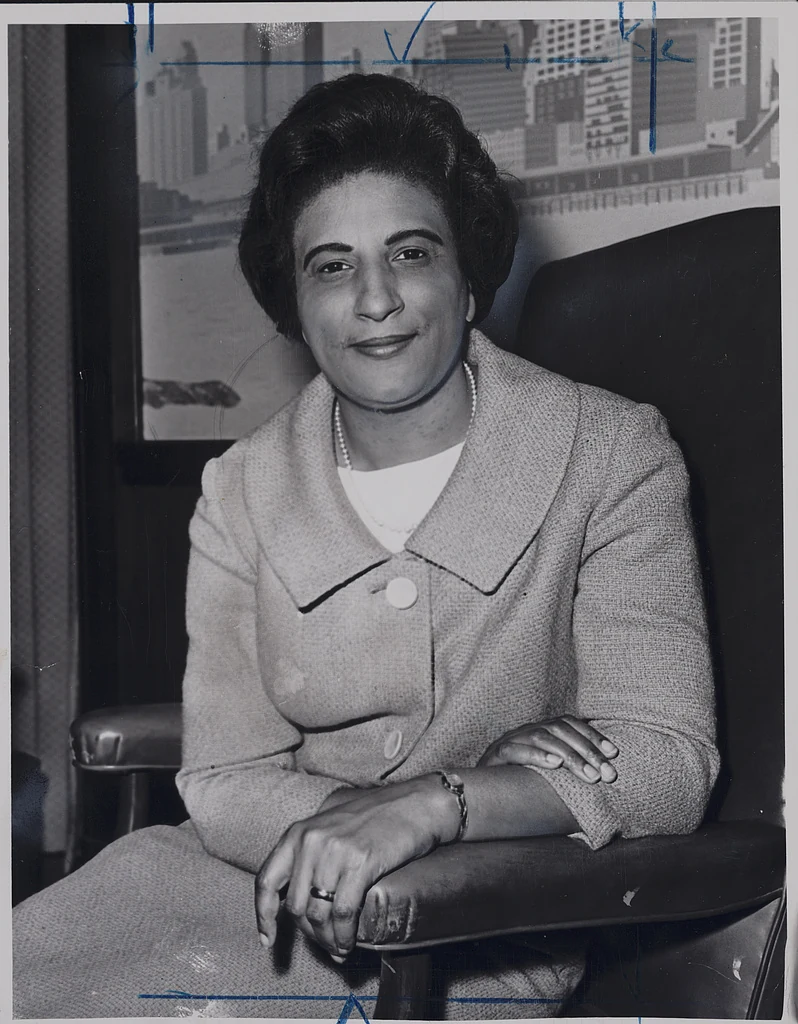
- Constance Baker Motley
Compare a civil-rights litigator’s professional path.
Sources and further reading
Explore the evidence
These references support the biography and offer further reading. Official records, first-person accounts and independent reporting provide different perspectives; image records document attribution and licensing.
- 1. Pauli Murray Center for History and Social JusticeWho is the Rev. Dr. Pauli Murray?
- 2. National Women’s History MuseumPauli Murray
- 3. Pauli Murray and Mary O. Eastwood, George Washington Law Review 34 (December 1965), 232–256; selected pages 232–235 and 248–253, University of Iowa copyJane Crow and the Law: Sex Discrimination and Title VII
- 4. Peter Wallenstein, American National Biography (2000), public biographical extractMurray, Pauli (1910–1985)