
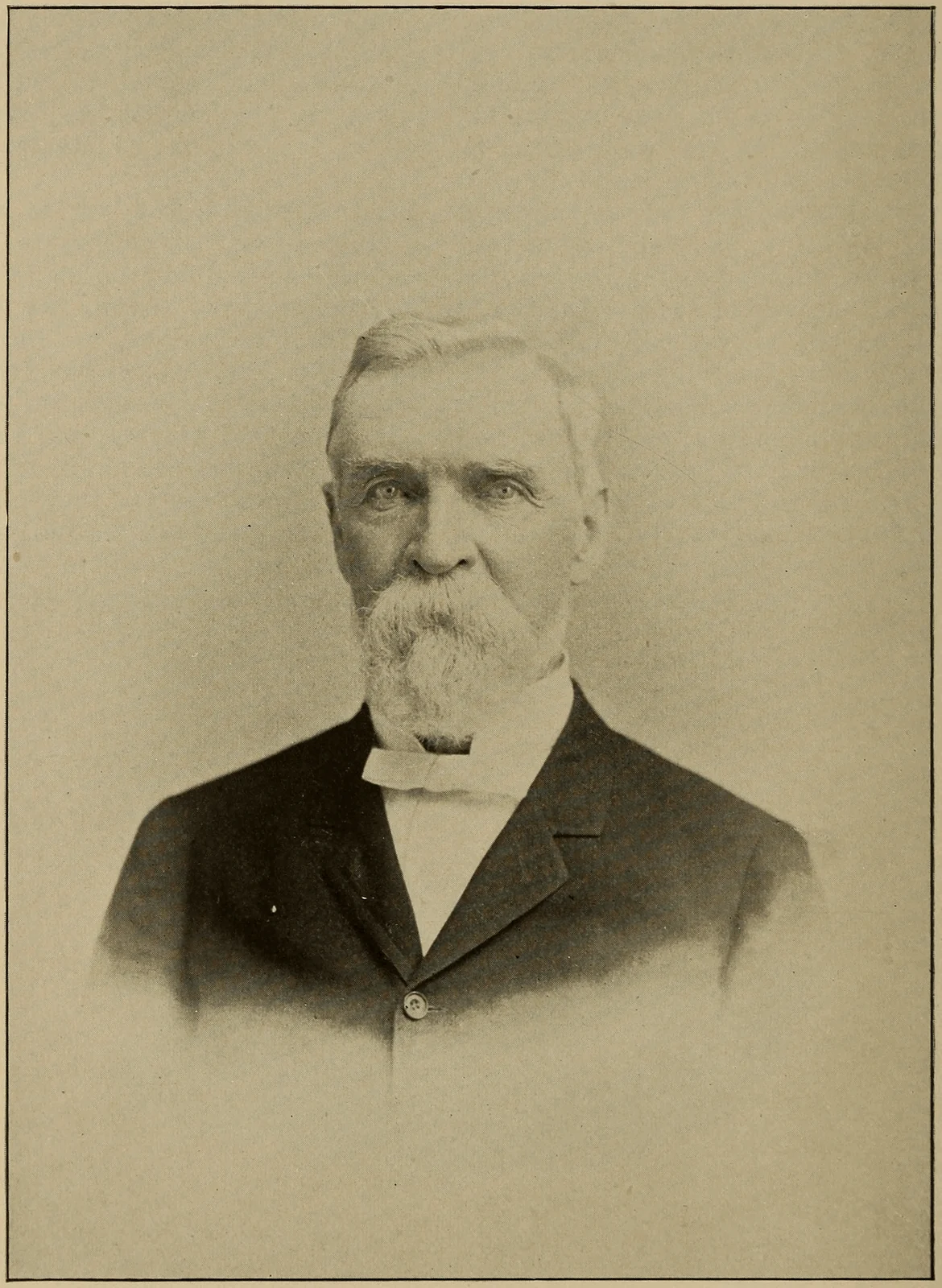
In this biography
Quick facts
- Born
- 1822
- Died
- 13 February 1913
- Birthplace
- Londonderry Township, Pennsylvania
- Country
- United States
- Nationality
- Not independently established
- Known for
- Cambria’s three-high rail mill and later engineering leadership at Bethlehem
- Known for
- Cambria’s three-high rail mill and later engineering leadership at Bethlehem
- Life
- 1822–1913
Why this life matters
Cambria’s three-high rail mill and later engineering leadership at Bethlehem.
Timeline
Key moments
Cambria
Moved to the Cambria Iron Company.
Rail mill
Helped install and restore the three-high rail mill.
Bethlehem
Became a senior engineer and manager at Bethlehem Iron Works.
Blacksmith training led into ironworks engineering
John Fritz was born in Pennsylvania in 1822 and entered a blacksmith’s apprenticeship at sixteen. He later worked as a mechanic at the Norristown Iron Company. The National Iron and Steel Heritage Museum places his move to the Cambria Iron Company in Johnstown in 1854. This path matters because the engineering problems he encountered concerned the operation and rearrangement of an industrial works. Practical knowledge of machinery, labour and repair formed part of the background to the rolling-mill changes for which he became known.
Sources for this section: [1]
A new mill required organisational support
At Cambria, Fritz proposed a three-high rail mill in place of the existing two-high arrangement. The Historic American Engineering Record describes resistance both from investors, who had already committed money to the old mill, and from skilled workers concerned about staffing and the pace of production. The project therefore required more than a technically plausible roll arrangement. Support from company leadership, additional capital and work by several named supervisors connected the proposal to an operating installation. His brother George was among those involved in the change.
Sources for this section: [2]
Fire made repair part of the achievement
The old mill stopped in July 1857 while the new installation was prepared. It began rolling rails before a fire destroyed the building shortly afterwards. Fritz and his colleagues then repaired machinery and restarted production in temporary accommodation. A more permanent mill building followed in 1858. This sequence gives the familiar innovation a less tidy but more useful shape: design, approval, installation, accident and recovery were all part of the operating history. It also prevents a successful first run from being treated as the end of the engineering work.
Sources for this section: [2]
Bethlehem and later institutions extended his influence
Fritz moved to a leading engineering and management position at the Bethlehem Iron Works in 1860. His later work included Bessemer equipment and other plant development, distinct from the earlier rail-rolling arrangement. He also supported engineering education and testing facilities. Historical memorial material records his provision for a Lehigh University laboratory and endowment. Fritz died on 13 February 1913. His reputation reflects a career joining workshop experience to large-scale industrial organisation, while the detailed Cambria record shows that his achievements depended on colleagues, investment and the ability to restore operation after failure.
Quick answers
Frequently asked questions about John Fritz
- Was the 1857 mill a one-person installation?
- No. The engineering record names George Fritz, Alexander Hamilton and Thomas Lapsley alongside John Fritz in overseeing the work.
Keep exploring
Lives connected to this story
- John Brown
Compare Fritz’s rail-mill organisation with Brown’s manufacture and testing of armour plate.
Sources and further reading
Explore the evidence
These references support the biography and offer further reading. Official records, first-person accounts and independent reporting provide different perspectives; image records document attribution and licensing.