
In this biography
Quick facts
- Born
- 1868
- Died
- 1924
- Birthplace
- Not independently established
- Country
- United States
- Nationality
- Not independently established
- Known for
- Frank Gilbreth moved from construction into motion-study consulting, using films and light traces to investigate the organisation of physical work.
- Field
- Builder and management consultant
Why this life matters
Frank Gilbreth moved from construction into motion-study consulting, using films and light traces to investigate the organisation of physical work.
Timeline
Key moments
Construction before management consulting
Frank Bunker Gilbreth was born in 1868 and developed his early career in building. His experience included organising construction work and developing equipment such as an adjustable bricklayer’s scaffold. Field System, published in 1908, formed part of that professional practice. Construction offered concrete problems of materials, access and repeated movement. His later interest in motion did not begin with a detached laboratory question; it emerged from work in which the placement of a worker, tool and supply could change the effort needed for a task.
A partnership and a change of setting
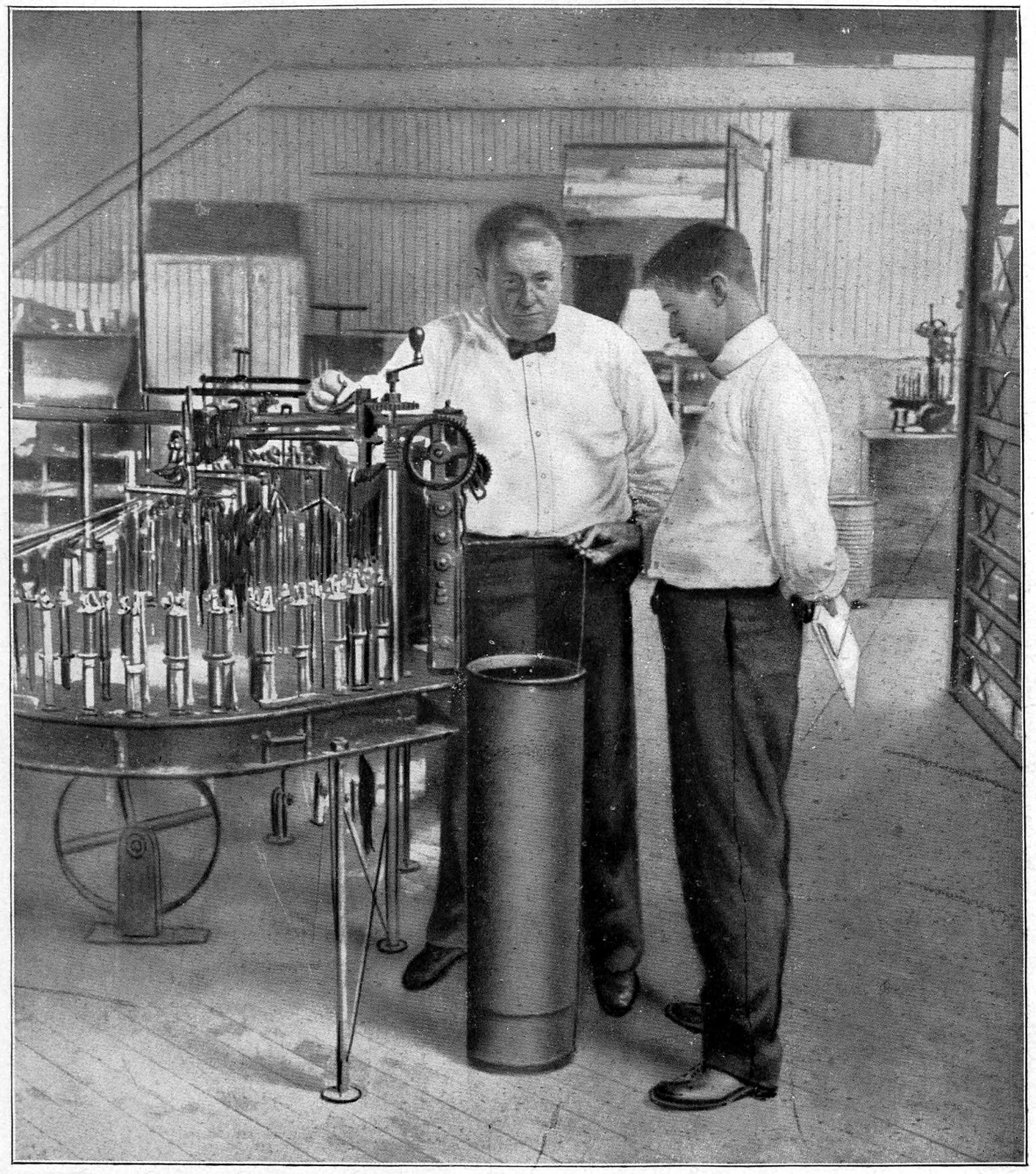
Gilbreth married Lillian Moller in 1904, and their collaboration brought psychological inquiry into the analysis of work. A 1912 contract with the New England Butt Company marked a move into factory consulting. Additional projects in the United States and Germany extended the approach. Films, photographs and specialised timing devices helped separate repeated actions into parts that could be compared. These records made aspects of work visible, but deciding what counted as improvement still required a purpose and an account of the person doing it.
Motion records and their limits
Gilbreth used micro-motion study and chronocyclegraph techniques, which traced movement through light. After the First World War his consultancy expanded, and he advocated institutional attention to management within engineering. He died in 1924 while active contracts continued. His contribution lies in extending the evidence available for studying physical tasks and in attempting to redesign work from that evidence. The partnership’s attention to fatigue and human circumstances also makes it important to distinguish movement analysis from a simple demand that every worker continually perform faster.
Quick answers
Frequently asked questions about Frank Gilbreth
- What is Frank Gilbreth known for?
- Frank Gilbreth moved from construction into motion-study consulting, using films and light traces to investigate the organisation of physical work.
Keep exploring
Lives connected to this story
- Lillian Gilbreth
Compare the distinct work and career of Lillian Gilbreth.
Sources and further reading
Explore the evidence
These references support the biography and offer further reading. Official records, first-person accounts and independent reporting provide different perspectives; image records document attribution and licensing.