
The short answer
What changed when Cambria adopted three-high rolls?
A worked comparison
What each part contributes
Use the specific distinctions developed in the study.
| Part or record | What it establishes | Why the distinction matters |
|---|---|---|
| Roll arrangement | Two working gaps | Needs compatible power and handling |
| Adoption | Capital and labour questions | Not only machine geometry |
| Recovery | Repairs and temporary production | Different from the first run |
What changed when Cambria adopted three-high rolls?
Cambria’s 1857 rail mill is best studied as a change in an operating system. A three-high arrangement provided two working gaps between three rolls, allowing successive passes through different gaps rather than treating the equipment as a single pair of rolls. The Historic American Engineering Record connects the change with a more powerful engine and a rearranged rail department. The question is therefore not simply whether one extra roll was added. Material handling, power, floor arrangement and the organisation of work also had to support the new sequence.
Sources for this section: [2]
The investment decision had competing interests
The company had already spent money on its two-high mill, making replacement a fresh capital decision. Skilled workers had another concern: the proposed arrangement could alter staffing needs and intensify the pace of work. These were different objections, and a technical success would not automatically resolve both. The federal engineering record names the support of vice-president E. Y. Townsend and describes additional capital for the project. It places the new machinery within an actual decision process involving ownership, management and labour rather than presenting adoption as an inevitable response to a clever design.
Sources for this section: [2]
The recorded installation involved several people
The old mill shut down on 3 July 1857. The record names John and George Fritz, superintendent Alexander Hamilton and rail-department head Thomas Lapsley among those overseeing the work. The new arrangement was completed later that month. Those names identify a practical collaboration: a works modification required engineering direction, departmental knowledge and coordination of installation. Giving Fritz appropriate design credit does not require removing the others from the account. The record also cautions against a worldwide first claim, since it identifies an earlier American three-high installation with a different arrangement.
Sources for this section: [2]
Recovery demonstrated a second kind of competence
A fire destroyed the mill building soon after the first successful operation. Machinery and engine repairs permitted rail production in temporary accommodation less than a month later, and a new permanent building was completed in January 1858. The distinction between machine and building is important. Destruction of the enclosure did not mean that every component was beyond repair, while restoring production required more than reproducing the first demonstration. This episode makes recovery capacity part of the history of innovation: an installation becomes industrially useful through sustained operation, maintenance and adaptation to interruption.
Sources for this section: [2]
Operating-sequence exercise and checked answer
List four requirements for changing a rolling arrangement in an existing works: suitable machinery, a means of powering it, material movement around it and an organised workforce. If only the roll geometry changes while the other three remain unsuitable, has the operating system been successfully redesigned? No. The checked answer requires compatibility across all four, even though their detailed design must be established from actual works records. Apply the same reasoning to the fire: rebuilding an enclosure alone would not restore damaged machinery, and repairing machinery alone would not necessarily provide a safe operating space. Cambria’s recorded recovery addressed an interconnected production task.
Sources for this section: [2]
Continue the chronology
Related history guides
Biography context
Explore United States through connected lives
Connected biographies
People and wider context
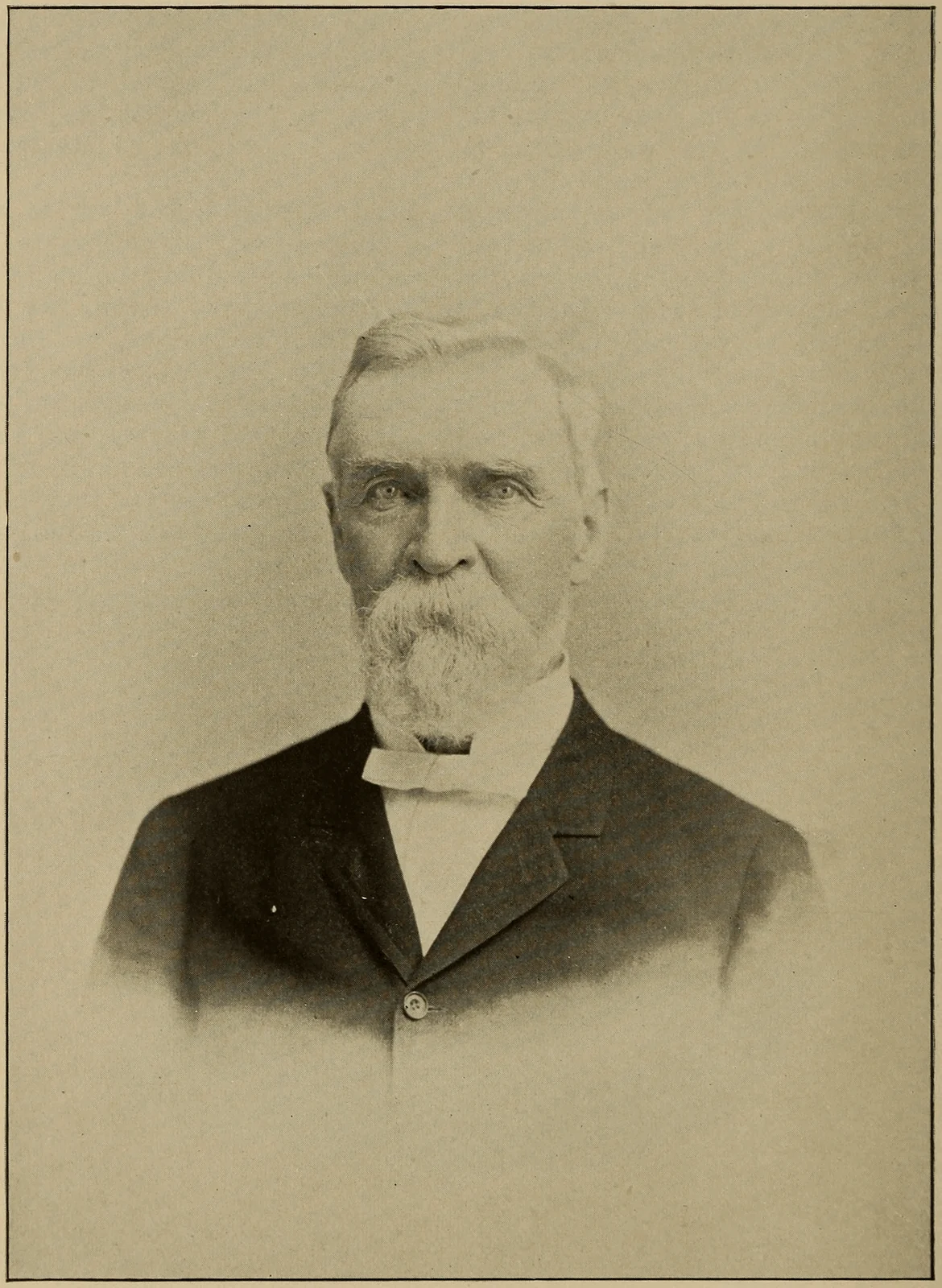
1822–1913
John Fritz
ironworks engineer and industrial managerJohn Fritz was a ironworks engineer and industrial manager, known for Cambria’s three-high rail mill and later engineering leadership at Bethlehem.Read biographyQuick answers
Common questions
- Was the 1857 mill a one-person installation?
- No. The engineering record names George Fritz, Alexander Hamilton and Thomas Lapsley alongside John Fritz in overseeing the work.
Primary and institutional sources
How this history was checked
The source notes distinguish original records, institutional descriptions and later historical interpretation. Exercises and comparisons are original editorial analysis. This article was reviewed on 8 November 2026.