
The short answer
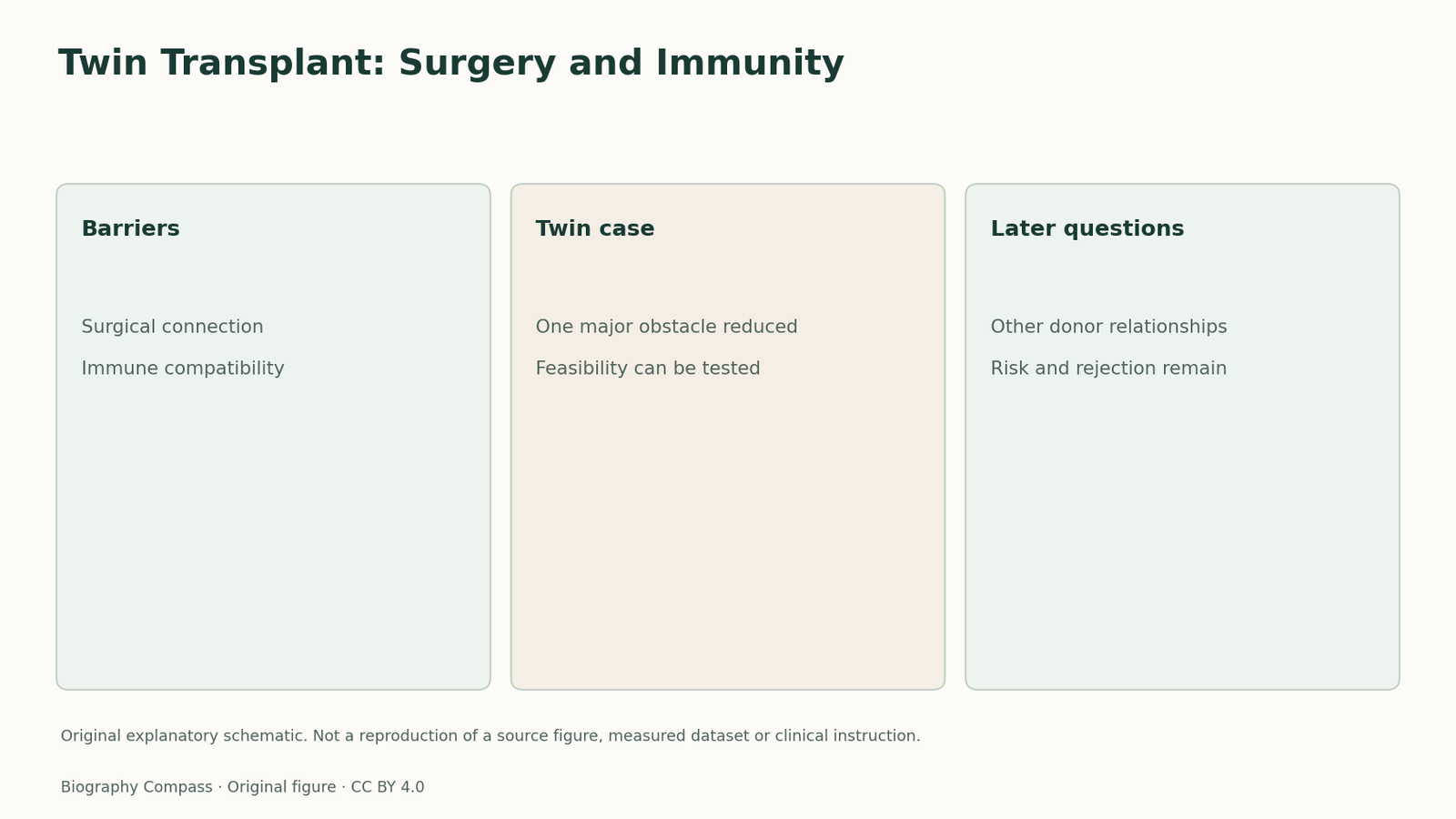
What could an identical-twin transplant establish about surgical and immune barriers?
Evidence comparison
Twin Transplant: Surgery and Immunity
Compare the observations with the narrower conclusions they support.
| Record or observation | What it supports | What remains separate |
|---|---|---|
| Identical-twin donor and recipient | Reduces a major compatibility barrier | Does not represent every possible donor–recipient combination |
| A functioning surgically connected kidney | Demonstrates feasibility in that setting | Does not eliminate donor risk or later rejection research |
A landmark can remove one obstacle experimentally
Murray's 1954 kidney transplant connected two identical twins, Ronald and Richard Herrick. The genetic relationship mattered because transplantation involved both surgical and immunological barriers. A kidney had to be removed, connected to another circulation and made to function. At the same time, a recipient could reject tissue from a genetically different donor. The twin case made it possible to investigate surgical success while reducing a major source of immune incompatibility.
Do not generalise beyond the comparison
A functioning transplant in this setting established something important without proving that all donor–recipient combinations would work. Murray's account and Harvard's institutional history place the event within a programme that still faced rejection and the risks of operating on a healthy donor. Those questions were not erased by a positive result. They explain why later experimental and clinical developments were necessary for transplantation beyond identical twins.
Separate two kinds of failure in a classroom matrix
Draw a hypothetical two-by-two matrix: surgery technically succeeds or fails, and immune compatibility is favourable or unfavourable. Ask whether a single failed transplant identifies which axis caused the outcome. The answer is no. Then place the historical twin case in the setting designed to reduce one major immunological obstacle. Explain why this makes the remaining surgical question more interpretable without pretending that every aspect of immunity has been eliminated from real patients.
Sources for this section: [3]
Keep historical evidence and medical choice apart
The model clarifies experimental scope and does not recommend a donor or transplant procedure. Its answer is historical: the first successful twin transplant was a demonstration of feasibility under unusually favourable compatibility conditions, not a universal solution delivered in one operation.
Continue the chronology
Related history guides
Biography context
Explore United States through connected lives
Connected biographies
Researchers and related questions
1919–2012
Joseph E. Murray
Reconstructive and transplant surgeonOn 23 December 1954, the Peter Bent Brigham team transplanted a kidney from Ronald Herrick to his identical twin Richard.Read biography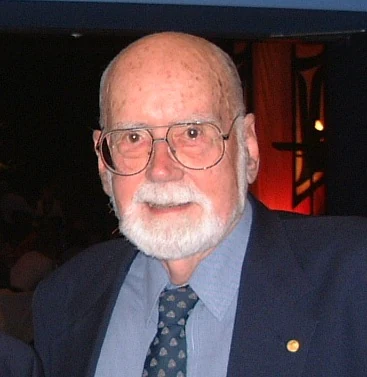
1920–2012
E. Donnall Thomas
Physician and bone-marrow-transplantation researcherThomas's programme pursued marrow transplantation through experimental work and clinical investigation.Read biography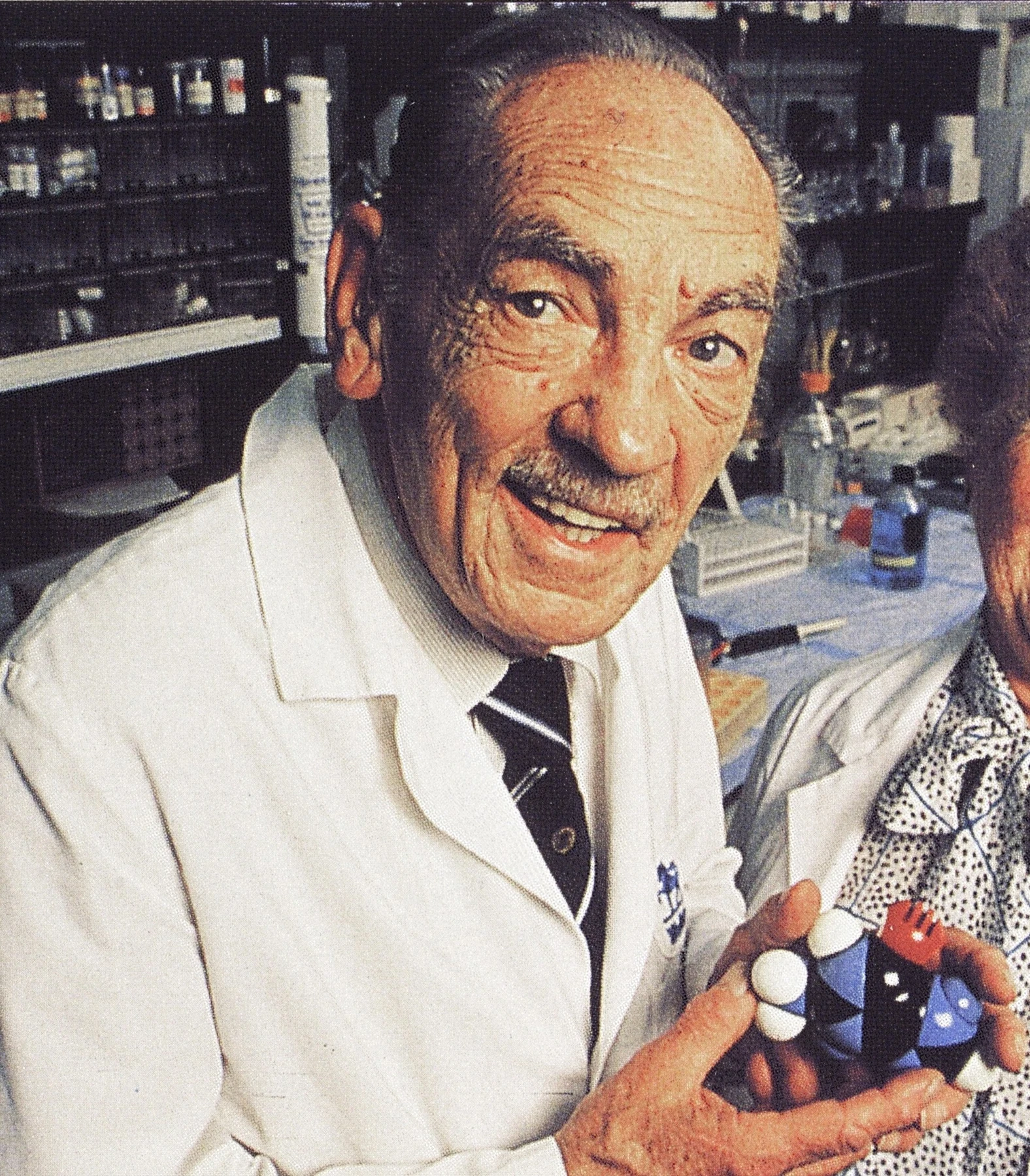
1905–1998
George H. Hitchings
Biochemist and drug-discovery researcherHitchings investigated analogues of the chemical building blocks used in nucleic-acid metabolism.Read biographyQuick answers
Common questions
- What could an identical-twin transplant establish about surgical and immune barriers?
- Reduces a major compatibility barrier. Does not represent every possible donor–recipient combination.
- Are the classroom examples historical measurements?
- No. Invented examples are labelled as classroom models; the source-based discussion identifies the historical evidence separately.
Primary and institutional sources
How this history was checked
Official biographical and award records are read alongside the researcher’s technical account. Source scope and hypothetical examples remain distinct. This article was reviewed on 7 November 2026.