
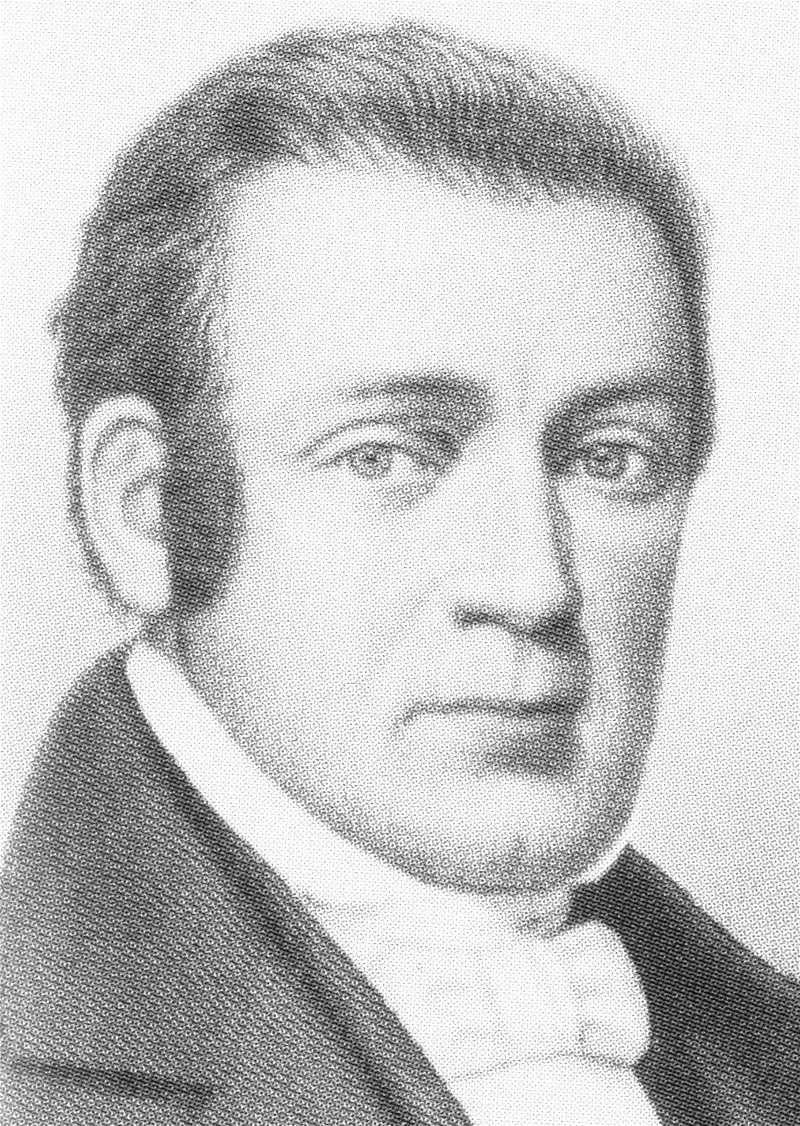
In this biography
Quick facts
- Born
- 1779
- Died
- 1831
- Birthplace
- Byfield, Massachusetts
- Country
- United States
- Nationality
- Not independently established
- Known for
- Developing machinery at Waltham and transferring practical workshop expertise into Lowell’s early industrial expansion
Why this life matters
Developing machinery at Waltham and transferring practical workshop expertise into Lowell’s early industrial expansion.
Timeline
Key moments
Birth
Paul Moody was born in Byfield, Massachusetts.
Waltham work
Brought practical machinery experience to the project.
Move to Lowell
Transferred practical expertise to the expanding mills.
Death
Paul Moody died in 1831.
A practical training in New England workshops
Paul Moody was born in Byfield, Massachusetts, in 1779. Common schooling was followed by work in local manufacture, including a woollen factory and a machine shop associated with Jacob Perkins. His education developed through making and maintaining equipment. This background matters because early textile manufacture required people who could translate a proposed process into functioning machinery. Moody did not enter the Waltham venture as its principal financier. He brought a different resource: experience with practical mechanisms and the workshop methods needed to construct and improve them.
Waltham joined his skills to a new undertaking
Around 1813 Moody became involved with the Boston Manufacturing Company’s Waltham project. Perkins’s recommendation connected him with the commercial organisers. Francis Cabot Lowell and Patrick Tracy Jackson needed machinery as well as capital and a building. Moody’s work helped establish the practical equipment for integrated textile production. The historical building record places a machinery workshop within the early mill setting. That detail makes the collaboration tangible: producing cloth required a continuing ability to make and adapt the apparatus, rather than only buying an initial collection of machines.
Machinery and expertise moved together
When manufacturing expanded into Lowell, machinery for the early mills came from the Waltham shop. Moody followed in 1824 and took responsibility within the growing mechanical undertaking. His move transferred practical knowledge as well as equipment. The National Park Service handbook traces changes in ownership through the Merrimack Manufacturing Company and the Proprietors of Locks and Canals. These organisations provided the setting for work on machinery, power transmission and water-power equipment. Their history is connected with Moody’s career, but it cannot be reduced to a single company name lasting unchanged throughout his life.
Sources for this section: [2]
The institution continued after his death
Moody’s work extended to improvements in textile machinery, while museum accounts also describe his family and involvement in religious and temperance activity. He died in 1831. The independently incorporated Lowell Machine Shop belongs to 1845, so its later operations should not be treated as businesses he personally founded at that date. His importance rests on a documented bridge between the Waltham project and Lowell’s practical mechanical capacity. In that bridge, tools, skilled workers and the ability to solve production problems were as important as the movement of capital.
Quick answers
Frequently asked questions about Paul Moody
- Why was a machine shop important to textile manufacture?
- It supplied the ability to make, repair and adapt equipment used by the mills.
- Did Moody establish the independent 1845 Lowell Machine Shop?
- He died in 1831. The 1845 incorporation belongs to the later institution, not to his personal activity.
Keep exploring
Lives connected to this story
- Richard Arkwright
Explore Richard Arkwright’s separate career as cotton manufacturer and factory organiser; compare the work and institutions in context.
- Samuel Slater
Read Samuel Slater’s documented work and the related study: Pawtucket’s Spinning Mill: From Skills to Operation.
- Francis Cabot Lowell
Read Francis Cabot Lowell’s documented work and the related study: Waltham’s Integrated Mill: Company, Power and Cloth.
Sources and further reading
Explore the evidence
These references support the biography and offer further reading. Official records, first-person accounts and independent reporting provide different perspectives; image records document attribution and licensing.
- 1. Appletons’ Cyclopædia of American Biography,1900, volume 4, p. 415Moody, Paul
- 2. Thomas Dublin, Lowell National Historical Park handbook,1992The Machine Shop
- 3. Charles River MuseumCRMII MA250 Project: Paul Moody
- 4. George R. Adams / AASLH,1977Boston Manufacturing Company: National Register nomination
