
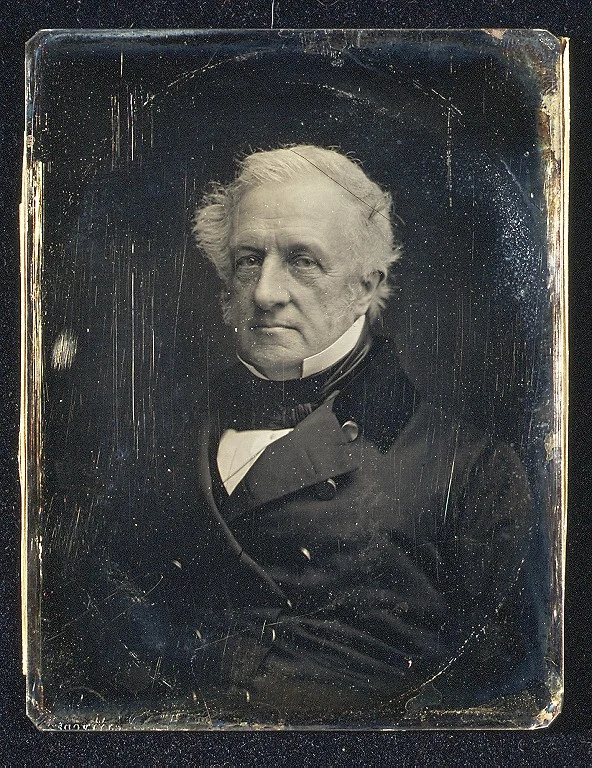
In this biography
Quick facts
- Born
- 1795
- Died
- 1869
- Birthplace
- Danvers, Massachusetts, in the area now called Peabody
- Country
- United States
- Nationality
- Not independently established
- Known for
- Turning transatlantic commercial wealth into educational, cultural and housing institutions in Britain and the United States
Why this life matters
Turning transatlantic commercial wealth into educational, cultural and housing institutions in Britain and the United States.
Timeline
Key moments
Birth
George Peabody was born in Danvers, Massachusetts, in the area now called Peabody.
London base
Settled in London for transatlantic business.
Donation fund
Placed resources with trustees for London’s poor.
First estate
Spitalfields homes opened.
Death
George Peabody died in 1869.
A modest education led into commerce
George Peabody was born in Danvers, Massachusetts, in 1795, in the area later renamed Peabody. Limited formal schooling was followed by work in a local shop and in his brother’s Newburyport business. He later partnered with Elisha Riggs in wholesale dry goods. That career developed through trading networks rather than a university or professional banking qualification. His movement from practical retail training into wider commerce provides the foundation for understanding the fortune that later supported his public gifts.
Sources for this section: [1]
Transatlantic business created a London base
Peabody’s business increasingly connected American trade with British markets and finance. He settled in London in 1837 and established a merchant-banking undertaking. Junius Spencer Morgan later became an important business partner. The enterprise operated between commercial transactions and the raising of capital, making Peabody a figure in transatlantic finance as well as local commerce. His subsequent philanthropy also crossed the Atlantic. It should not be treated solely as the benevolence of a London resident or solely as an American educational programme.
Gifts created institutions rather than one occasion
Peabody supported libraries, museums and educational work in the United States, including institutions in Massachusetts and Baltimore. In London his 1862 donation fund placed substantial resources with trustees for the benefit of poorer residents. The trustees developed a housing programme, with the first estate opening at Spitalfields in 1864. This translated a broad charitable intention into a particular institutional form. Buildings, rents, maintenance and tenancy administration became continuing responsibilities, extending the consequences of the gift beyond the announcement of its amount.
The legacy includes access and the source of wealth
Peabody died in London in 1869. The institutions supported by his gifts continued long after his retirement and death. Their histories also raise questions beyond the scale of his giving. A housing programme could improve accommodation while remaining inaccessible to some of the poorest people, and later institutional research has examined his banking investments’ connections with slavery. These questions do not erase the libraries or homes. They make the biography more complete by connecting philanthropy with the commercial wealth behind it and the actual terms on which its intended beneficiaries could participate.
Quick answers
Frequently asked questions about George Peabody
- When did the first Peabody estate open?
- The first estate opened at Spitalfields in 1864, after the 1862 fund was established.
- Were these homes unrestricted gifts to every poor resident?
- No. They formed a managed housing scheme with rent and tenancy conditions, which affected access.
Keep exploring
Lives connected to this story
- J. P. Morgan
Explore J. P. Morgan’s separate career as investment banker, corporate financier and collector; compare the work and institutions in context.
- Octavia Hill
Explore Octavia Hill’s separate career as housing reformer and national trust co-founder; compare the work and institutions in context.
- Henrietta Barnett
Read Henrietta Barnett’s documented work and the related study: Hampstead Garden Suburb: Land, Rules and Layout.
- Julius Rosenwald
Read Julius Rosenwald’s documented work and the related study: Rosenwald Schools: How Matching Funds Built a Network.
Sources and further reading
Explore the evidence
These references support the biography and offer further reading. Official records, first-person accounts and independent reporting provide different perspectives; image records document attribution and licensing.
