
The short answer
How did the Donora investigation and controlled exposure studies answer different air-pollution questions?
Read the evidence
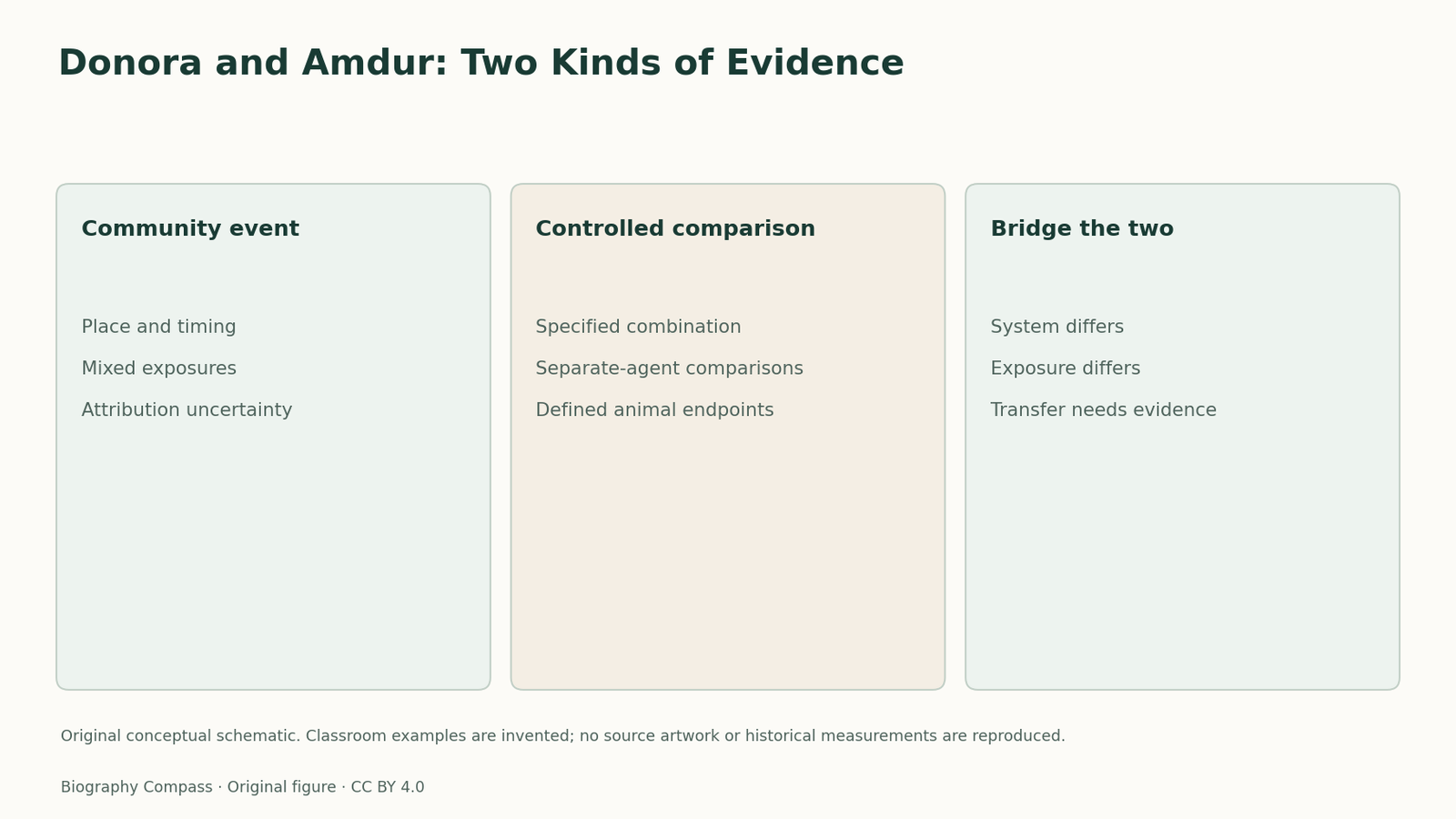
Donora and Amdur: Two Kinds of Evidence
Compare the scale of the question before comparing the confidence of the answer.
| Record or comparison | What the record supports | What remains separate |
|---|---|---|
| Donora government retrospective | A real community event involved accumulated pollutants and unresolved attribution | It does not establish one certain agent for every illness |
| Amdur’s 1954 preliminary report | The tested combination produced a stronger effect under specified animal-study conditions | It does not reconstruct each resident’s exposure or determine a human ambient threshold |
The community event raised a broad question
A later government summary of the 1948 Donora disaster describes accumulated pollutants under a prolonged atmospheric inversion. It also records uncertainty about attributing the effects to a single agent. A field investigation concerns an actual population in a particular place, with exposures that may involve several materials and imperfect historical measurements. It can establish the importance of a public-health event while leaving a narrower mechanistic question unresolved. A reader should therefore resist replacing that uncertainty with a confident statement that one named chemical explains every case.
Sources for this section: [4]
The laboratory asked a narrower question
Amdur’s 1954 preliminary report examined a specified combination in guinea pigs. Its summary describes a combined effect stronger than predicted from the agents separately under the tested conditions. That is evidence about an experimental interaction, not a measurement of the original community’s individual exposures. The two records answer different questions: what happened in a town, and what can happen in a controlled biological comparison. The NPS biography connects the disaster with Amdur’s research interests; it does not turn her later experiment into the original field investigation.
An original evidence-sorting activity
Give a class four invented evidence cards: a town’s dated illness reports; a weather record; a controlled comparison of mixture and separate agents; and a resident’s reconstructed exposure estimate. Ask which card best addresses timing, which addresses environmental accumulation, and which can test an interaction while keeping other conditions more similar. Suitable answers are the illness record, weather record and controlled comparison respectively. The reconstructed exposure estimate could help connect a person with a possible dose, but its uncertainty must be stated. Next ask whether the controlled comparison alone proves the cause of every illness in the town. It does not: the biological system, exposure conditions and outcome measures still need a justified bridge. None of these cards is a reconstructed Donora dataset.
What makes the comparison useful
The distinction is not a ranking in which a laboratory result automatically defeats a community observation. Each record can expose a weakness in an overbroad explanation. Field uncertainty motivates controlled questions; laboratory specificity makes it necessary to ask whether a result transfers to the historical event. Amdur’s career brought those mechanistic questions into air-pollution research. Reading the records together supports an account of scientific progress through complementary evidence, while preserving the preliminary status and animal-system limits of the particular 1954 report.
Continue the chronology
Related history guides
What could a case-control study show about prenatal radiography and childhood cancer, and what could it not settle alone?
Compare controlled toxicology with observational epidemiology.
Read the timeline1948–1954How did concealed allocation differ from blinded assessment in the 1948 streptomycin trial?
Compare the role of design in a different kind of controlled study.
Read the timelineBiography context
Explore United States through connected lives
Connected biographies
Researchers and related questions
1921–1998
Mary Amdur
Toxicologist and air-pollution researcherMary Amdur investigated how pollutants affected respiration, bringing chemistry and controlled experiments into questions raised by severe urban smog.Read biography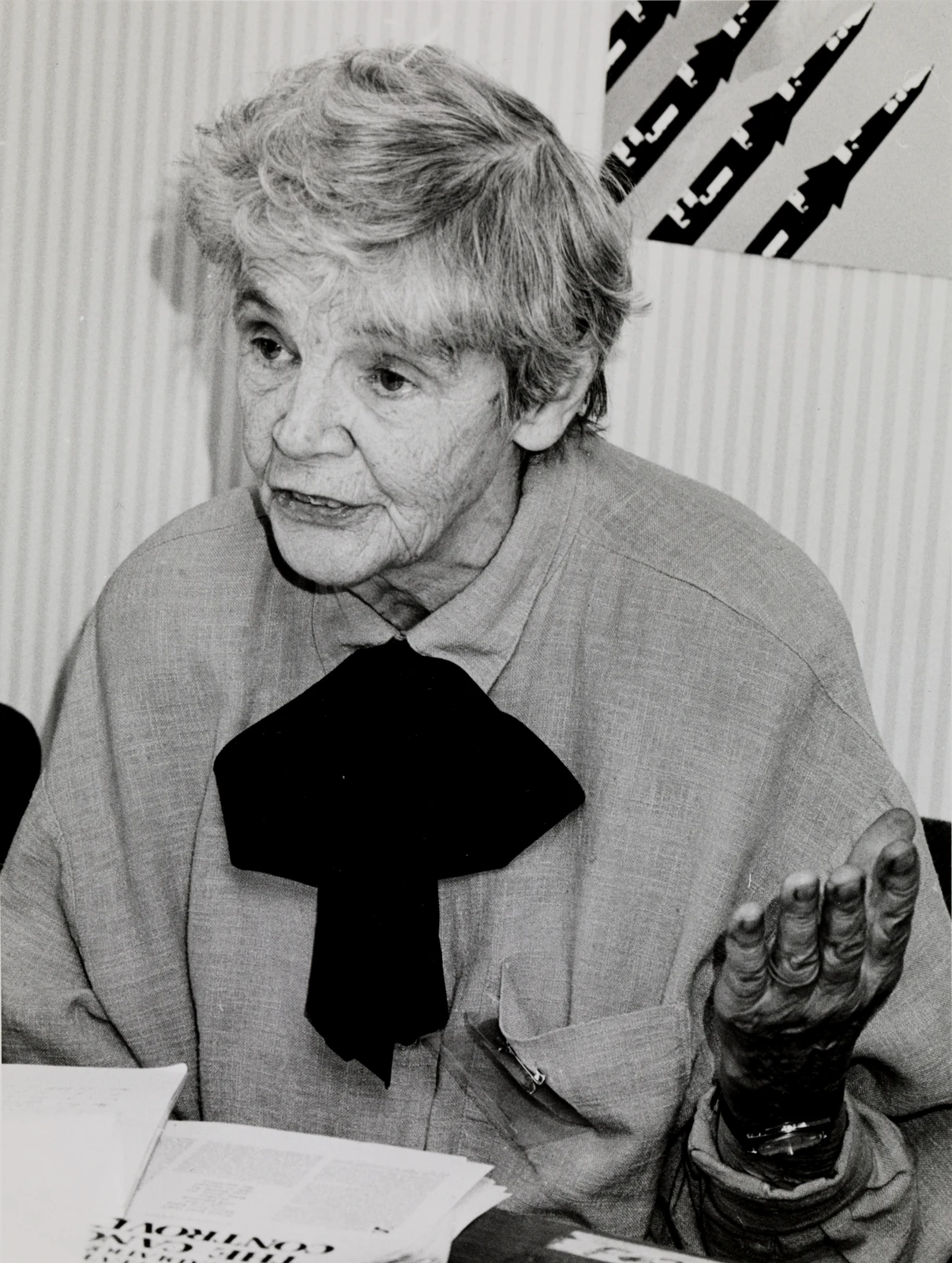
1906–2002
Alice Stewart
Physician and epidemiologistAlice Stewart investigated environmental and occupational health before leading a major case-control investigation of childhood cancer.Read biography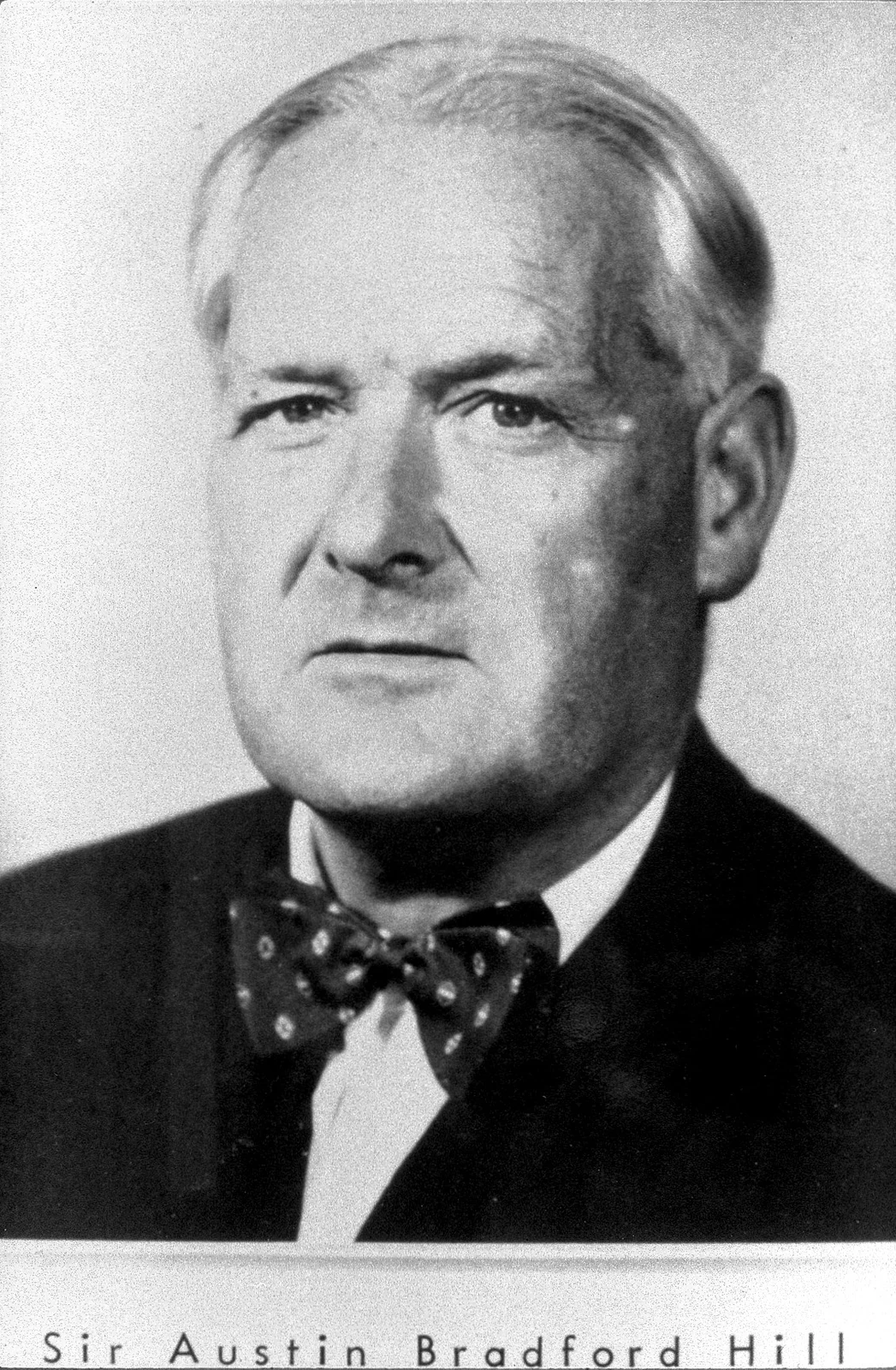
1897–1991
Austin Bradford Hill
Medical statistician and epidemiologistAustin Bradford Hill translated statistical reasoning into practical medical research, helping investigators build fairer comparisons and assess their limits.Read biographyQuick answers
Common questions
- Was Amdur’s 1954 study the Donora field investigation?
- No. It was a subsequent controlled animal study addressing a narrower question about combined pollutants.
- Does a stronger mixture effect establish the cause of every Donora illness?
- No. Linking the experiment to individual historical exposures requires additional evidence.
Primary and institutional sources
How this history was checked
A later government account of Donora is compared with the original 1954 report’s opening and summary and two scoped career accounts. The complete 1949 field report was not reviewed. This article was reviewed on 7 November 2026.