In this biography
Quick facts
- Born
- 1861
- Died
- 1919
- Birthplace
- Not independently established
- Country
- United States
- Nationality
- Not independently established
- Known for
- Henry Gantt developed management charts and task-and-bonus methods that connected production planning with attention to the people doing the work.
- Field
- Mechanical engineer and management consultant
Why this life matters
Henry Gantt developed management charts and task-and-bonus methods that connected production planning with attention to the people doing the work.
Timeline
Key moments
Engineering and work organisation
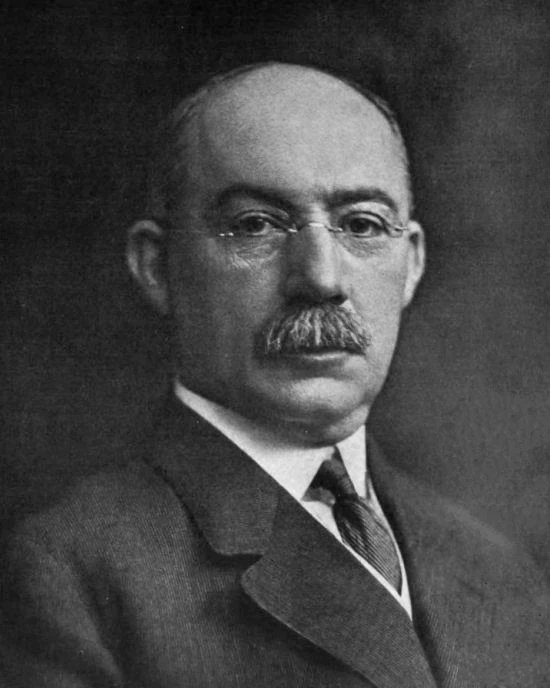
Henry Laurence Gantt was an American engineer who lived from 1861 to 1919. He entered Stevens in 1883 and graduated in 1884 after special examinations. His career became closely associated with fellow alumnus Frederick Winslow Taylor and the scientific-management movement. The relationship involved practical questions about how work should be organised and rewarded, rather than only an abstract interest in administration. Gantt brought engineering methods into the difficult task of coordinating people, production targets and the information managers needed to understand a workplace.
Payment and the visibility of production
Gantt helped develop a task-and-bonus approach at Bethlehem Steel. The Stevens archive contrasts a guaranteed wage with the possibility of an additional reward, setting this beside Taylor’s differential piece-rate arrangement. Gantt also developed charting methods: an early version was used for the American Locomotive Company in 1903. Making progress visible offered a different management instrument from changing payment. A chart could bring a plan and the record of work into a common field where a manager or worker could compare them.
Sources for this section: [1]
War production and a wider legacy
During the First World War, Gantt applied his experience to organising production of military equipment. Wartime adoption helped popularise his charts. After his death, the medal established in his name linked management achievement with service to society and human relations. His contribution should not be reduced to every feature now found in scheduling software. The historical career combined graphical methods with arguments about incentives and responsibility. Modern charts inherit an important way of seeing work across time, while adding conventions and capabilities whose later development requires its own history.
Quick answers
Frequently asked questions about Henry Gantt
- What is Henry Gantt known for?
- Henry Gantt developed management charts and task-and-bonus methods that connected production planning with attention to the people doing the work.
Keep exploring
Lives connected to this story
- Frederick Winslow Taylor
Compare the distinct work and career of Frederick Winslow Taylor.
Sources and further reading
Explore the evidence
These references support the biography and offer further reading. Official records, first-person accounts and independent reporting provide different perspectives; image records document attribution and licensing.