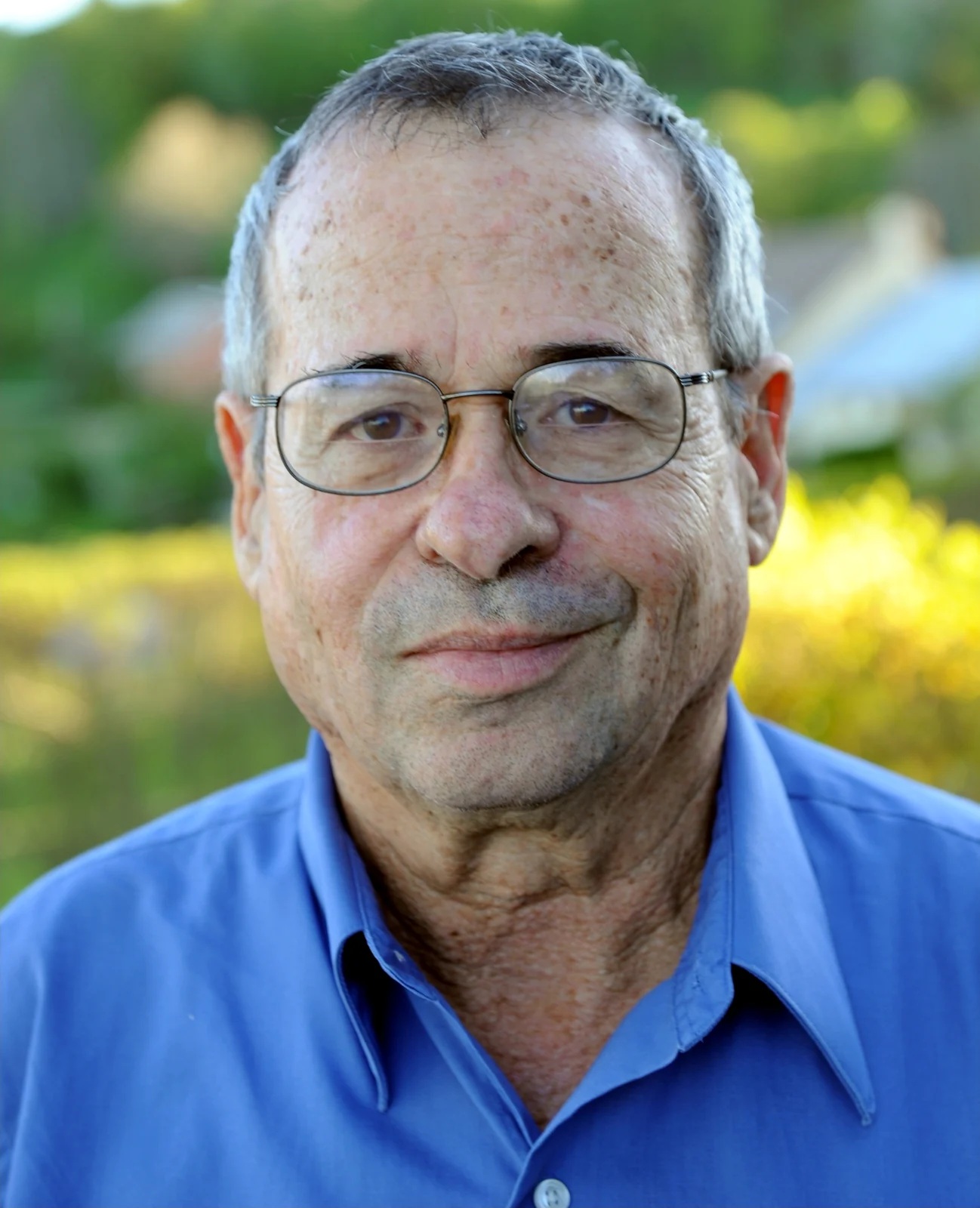
In this biography
Quick facts
- Born
- 1 June 1917
- Died
- 13 June 2012
- Birthplace
- Taunton, MA, USA
- Country
- United States
- Nationality
- Not independently established
- Known for
- Helped develop catalytic asymmetric hydrogenation and connect selective chemistry with an industrial L-DOPA route.
Why this life matters
Helped develop catalytic asymmetric hydrogenation and connect selective chemistry with an industrial L-DOPA route.
Timeline
Key moments
Birth
William S. Knowles was born in Taunton, MA, USA.
A process patent published
Knowles, Sabacky and Vineyard were named on the L-DOPA process patent US4005127A.
Nobel recognition
Received Nobel recognition for the work described in the official award record.
Education beyond a business background
William Standish Knowles was born on 1 June 1917 in Taunton, Massachusetts, and grew up in New Bedford. His family background leaned toward business and seafaring, but school chemistry attracted him. He studied at Harvard, graduating in 1939, then undertook doctoral work at Columbia with Robert Elderfield. His autobiography describes wartime pressures shaping the transition from graduate study to industry. That experience placed him within a practical chemical workplace in which a promising transformation also had to address materials, separation and manufacturing needs. The later Nobel-recognised work came from this industrial setting rather than a conventional university career.
A long Monsanto research career
Knowles began work in Dayton in 1942 at laboratories newly associated with Monsanto and moved to St Louis in 1944. His assignments included plasticisers and chemical intermediates before the later asymmetric-hydrogenation programme. He remained involved in that field until retiring in 1986 and continued consulting afterward. The trajectory matters because it connects a new catalytic idea with a long accumulation of process experience. A chemist choosing an industrial route must consider more than whether an individual reaction can occur: available feedstocks, recovery and downstream conversion can determine whether an attractive result becomes useful.
Sources for this section: [4]
A selective step within a larger route
The L-DOPA process patent lists Knowles, Milton Sabacky and Billy Vineyard as inventors. Its account contrasts earlier racemic material followed by resolution with a route using catalytic asymmetric hydrogenation, recovery of an enriched intermediate and subsequent conversion. These stages should not be compressed into a claim that a catalyst alone produced the finished medicine in one operation. Knowles’s lecture also discusses Monsanto’s existing intermediate manufacture and the attraction of a more selective approach. The story is therefore a collaboration and a route-design problem as well as a demonstration of stereoselective chemistry.
Recognition with a defined contribution
Knowles received one quarter of the 2001 chemistry Nobel for chirally catalysed hydrogenation reactions, alongside Ryoji Noyori’s related contribution; Barry Sharpless received the other half for a different catalytic field. Knowles died in Chesterfield, Missouri, on 13 June 2012. His career shows why industrial discovery can be scientifically substantial: an enabling catalyst becomes more valuable when integrated with a workable sequence of operations. Each part still needs its own evidence. Selectivity, recovery, conversion to the desired final compound and practical process performance are connected achievements, rather than interchangeable labels for one percentage or one reaction arrow.
Quick answers
Frequently asked questions about William S. Knowles
- Who are the named inventors of US4005127A?
- William S. Knowles, Milton J. Sabacky and Billy D. Vineyard.
- When did Knowles retire from Monsanto?
- His autobiography records retirement in 1986 followed by consulting.
Keep exploring
Lives connected to this story
- Ryoji Noyori
Compare related asymmetric-hydrogenation work while keeping the scientists’ catalysts, experiments and industrial questions distinct.
Sources and further reading
Explore the evidence
These references support the biography and offer further reading. Official records, first-person accounts and independent reporting provide different perspectives; image records document attribution and licensing.