

The short answer
What did a simplified folding model retain, omit and test when it represented a protein with fewer degrees of freedom?
Read the evidence
Different records within the same investigation
The following comparison distinguishes the specific questions answered by the inspected records.
| Record or test | What it establishes | What remains different |
|---|---|---|
| Reduced representation | Can test broad organisation with fewer variables | Cannot answer questions about omitted detail |
| Reference-like endpoint | Supports a defined outcome comparison | Does not alone validate the full physical pathway |
What did the 1975 study attempt?
Levitt and Warshel’s Nature paper used a very simple representation of protein conformations with energy minimisation and thermalisation to investigate folding. The abstract reports success under certain conditions for bovine pancreatic trypsin inhibitor, starting from an open-chain conformation and reaching a fold close to the native molecule. The qualifier matters. It identifies a demonstration with a system, representation and conditions, rather than a general solution for every protein sequence. The question was whether a reduced model could recover meaningful structural organisation, not whether every omitted atomic detail had become scientifically irrelevant.
Sources for this section: [1]
The omitted detail defines the model
Levitt’s lecture places atom-group representations beside earlier non-hydrogen-atom models and later all-atom or solvent-inclusive approaches. Those choices answer different computational needs. Reducing the number of represented degrees of freedom can make a search more manageable, but a tractable calculation is not automatically an accurate one. The remaining interactions and comparison target must still be specified. This is why a result close to a known fold is useful as a test but cannot alone prove that the route taken by the model is the complete physical route of folding in a real cell.
Sources for this section: [2]
Exercise: success depends on the question
Imagine two invented representations of the same chain. Model A places its broad structural regions close to a reference arrangement but does not represent individual side-chain atoms. Model B includes those atoms but predicts the wrong overall arrangement. Which is better? For the stated question of recovering the broad fold, A performs better in the example. For a question about a particular side-chain contact, A lacks the necessary represented detail. This original comparison uses no historical scores. Its answer shows why the phrase more detailed should not silently become a synonym for more successful.
Separate the target from the path
Now suppose a model reaches a reference-like endpoint through several different invented starting conditions. This strengthens one kind of robustness claim, but it does not establish that the intermediate path matches the physical process. Endpoint agreement and pathway agreement require different comparisons. Likewise, a single unsuccessful start does not identify which assumption failed without further analysis. Read the related Karplus dynamics topic and Warshel catalysis topic to see the questions change: fluctuations around an existing fold and energetics of a reaction are not folding demonstrations. Their relationship makes a useful scientific cluster precisely because the methods, outputs and remaining uncertainties can be compared without being collapsed into one result. A further invented comparison might score broad arrangement and local contact accuracy separately. Combining them into one unexplained total would conceal which question each model answered well. Reporting both makes the trade-off visible and avoids converting an arbitrary scoring rule into a scientific fact.
Continue the chronology
Related history guides
Lysozyme Models: Compare Energy Contributions
Examine Warshel and Levitt’s 1976 lysozyme model, distinguish calculated energy contributions from direct observations, and compare reference settings.
Read the timeline1977Protein Dynamics 1977: Motion and a Model
Explore the McCammon–Gelin–Karplus protein-dynamics result, distinguish a trajectory from an average structure, and check an original fluctuation exercise.
Read the timelineBiography context
Explore Weizmann Institute, Rehovot, Israel through connected lives
Connected biographies
Researchers and related approaches
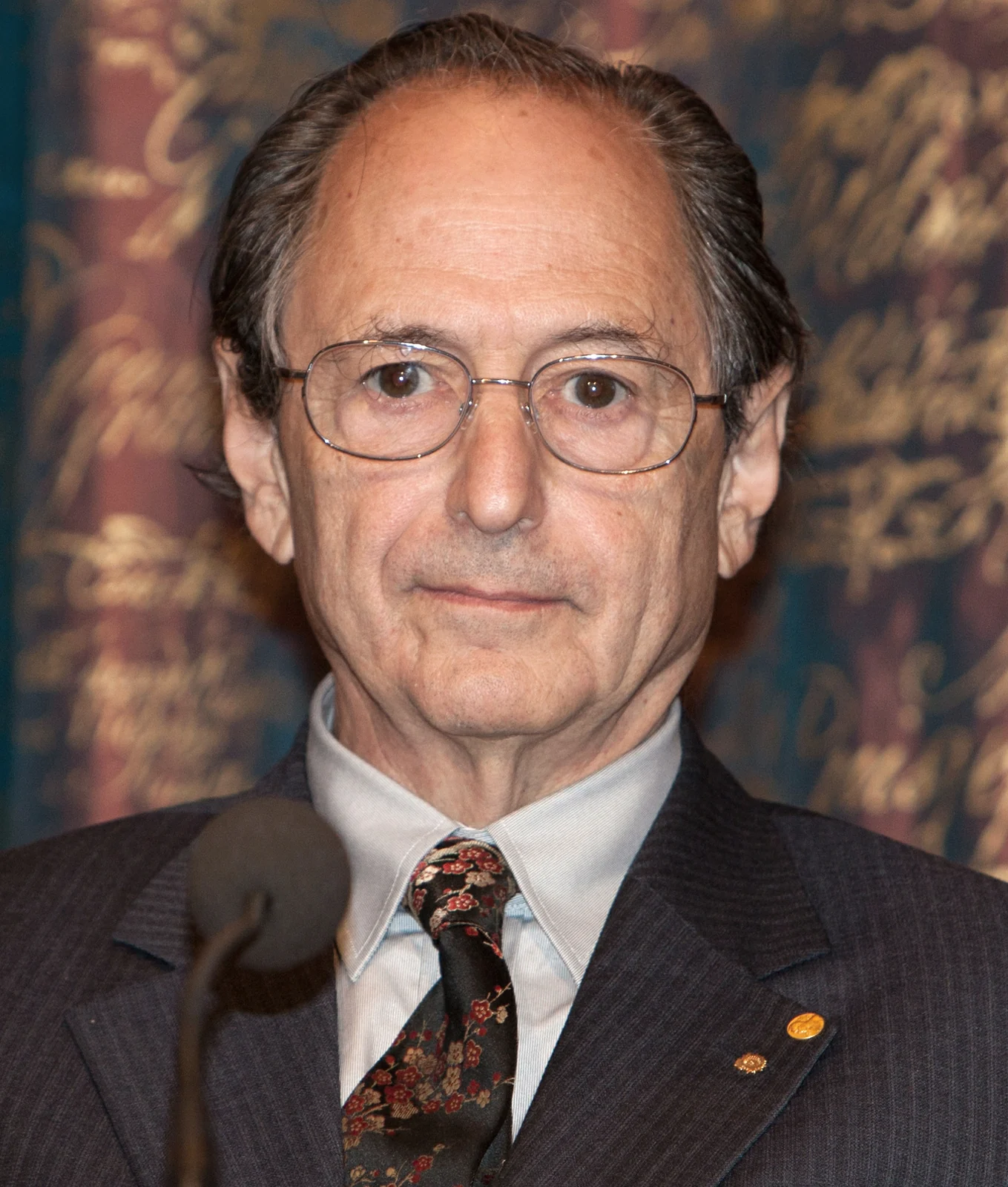
1947–
Michael Levitt
Computational structural biologistExplore Michael Levitt’s international training, collaboration with Warshel, early folding models and Stanford career through carefully separated records.Read biography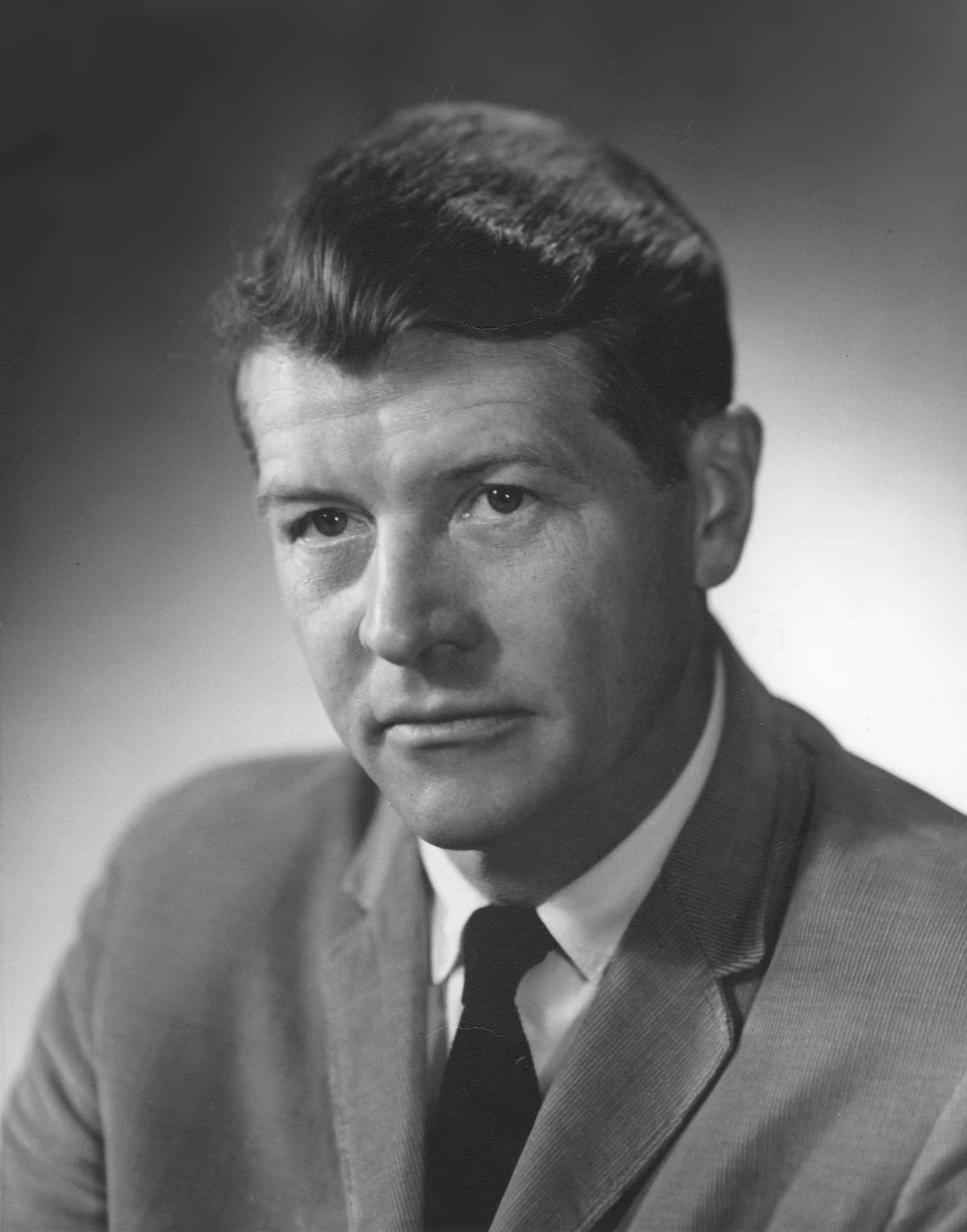
1916–1995
Christian B. Anfinsen
Biochemist and protein-folding researcherChristian Anfinsen investigated how reduced ribonuclease recovered structure and activity, connecting amino-acid sequence with folding under defined conditions.Read biographyQuick answers
Common questions
- Did the 1975 result apply unconditionally to every protein?
- No. The abstract specifies success under certain conditions for a particular protein.
- Is a more detailed model always better?
- No. Performance depends on the question, assumptions and evidence used to test it.
Primary and institutional sources
How this history was checked
The references below distinguish the original study from later explanations. The worked exercise and comparison are newly written for this article. This article was reviewed on 8 November 2026.