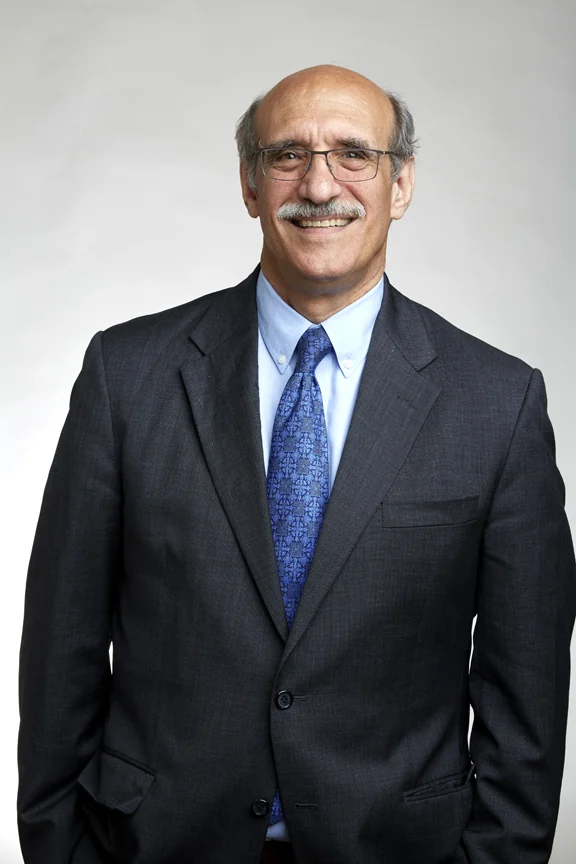
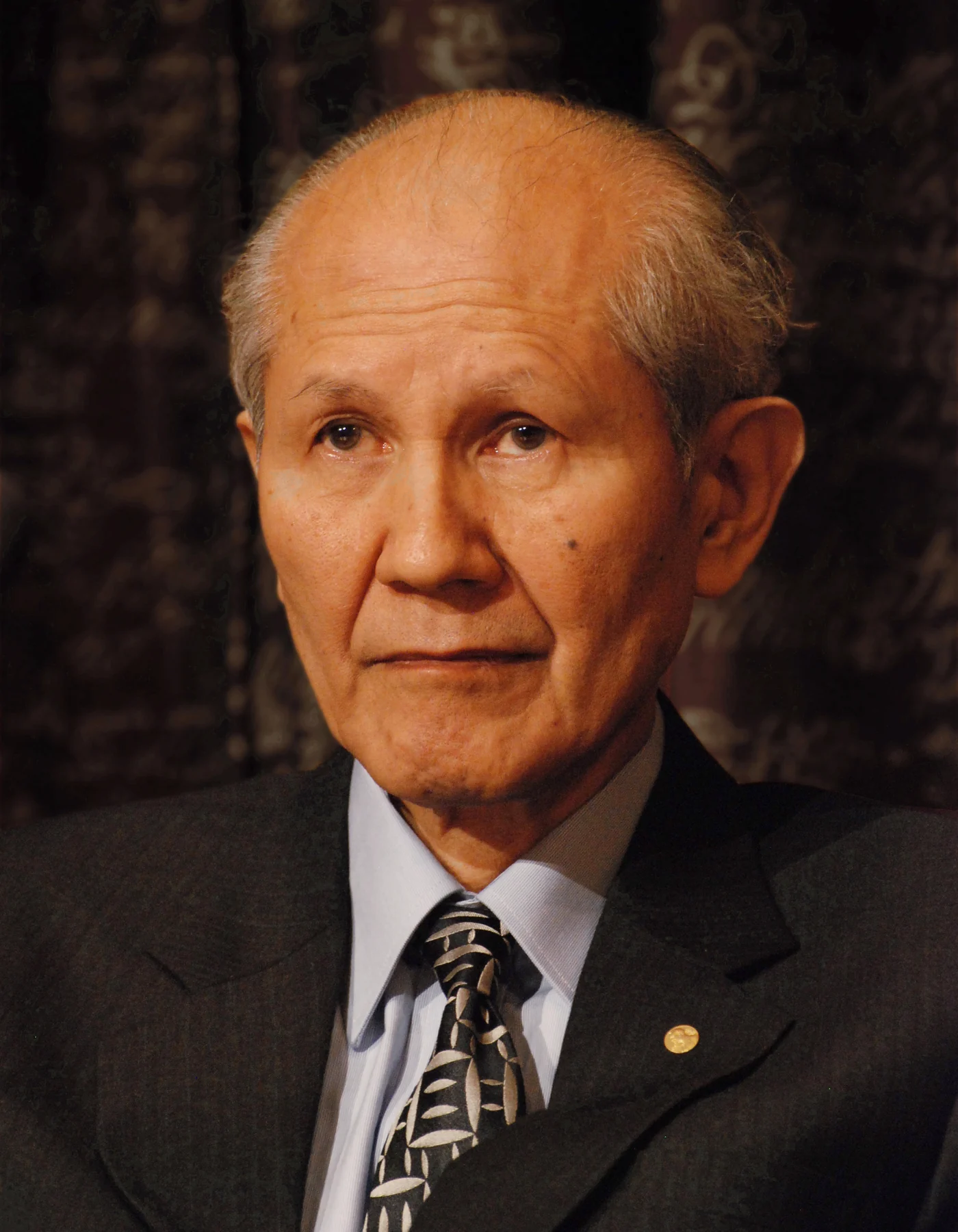
In this biography
Quick facts
- Born
- 1951
- Birthplace
- Akron, Ohio, United States
- Country
- United States
- Nationality
- Not independently established
- Known for
- Cloning and sequence analysis of GFP and aequorin genes
- Birth
- 1951, Akron
- Doctorate
- Ohio State University, 1979
- GFP paper
- Gene 111(2), 229–233, 1992
- Later recognition
- Acknowledged in 2008 Nobel participant accounts
Why this life matters
His career highlights the difference between identifying a protein, obtaining its genetic sequence and turning that material into a widely used experimental tool.
Timeline
Key moments
Birth
Born in Akron, Ohio.
Doctorate
Completed doctoral work at Ohio State University.
Bioluminescence genes
Worked on molecular questions involving light-producing proteins.
Collaboration discussed
Chalfie’s lecture records a conversation while cloning work was continuing.
GFP sequence paper
Led the published cloning and sequence report.
Expression paper
Appeared among the authors of the subsequent Science report.
Participant accounts
Nobel lectures credited the work and material sharing.
A documented doctorate and a molecular research career
Prasher was born in 1951 in Akron, Ohio, according to Marc Zimmer’s published history. OhioLINK’s primary dissertation catalogue independently identifies his 1979 Ohio State doctorate and the thesis Nucleoside phosphorylation in plants. The catalogue confirms a qualification and subject; it does not mean that the entire dissertation was read for this biography. The later account places postdoctoral work with Milton Cormier at the University of Georgia after that degree. Keeping these institutions separate avoids assigning the doctorate to the place where he subsequently worked.
Bioluminescence suggested a practical genetic question
Research on proteins such as aequorin and GFP faced a demanding supply problem: isolating material from marine animals required substantial collection and purification work. The possibility of producing a protein through cloned genetic material offered a different approach. Zimmer’s account describes Prasher’s work in that setting and his move into the Woods Hole research community. The 1992 paper gives his affiliation as the Biology Department at Woods Hole Oceanographic Institution. This is a precise documentary anchor, rather than evidence for every appointment date or funding decision mentioned in later retellings.
The 1992 paper establishes a specific contribution
Primary structure of the Aequorea victoria green-fluorescent protein names Prasher, Virginia Eckenrode, William Ward, Franklyn Prendergast and Milton Cormier. Its original abstract reports cloning and sequence analysis of complementary-DNA and genomic material. It identifies a 238-amino-acid polypeptide encoded by one cDNA clone and describes differences among genomic clones. Those are molecular findings, not a demonstration that every proposed GFP-tagging experiment would already work. The author list also shows that this contribution was collaborative. Treating the cloning paper as a new name for Shimomura’s earlier protein isolation would erase the distinct scientific task.
Sources for this section: [3]
Sharing material connected separate laboratories
Chalfie’s lecture recounts contact with Prasher in 1989 while the cloning work was continuing. Tsien’s lecture describes discovering the 1992 paper and later obtaining material when Roger Heim joined his laboratory. These accounts place communication and sharing within the experimental sequence. Prasher also appears among the authors of the 1994 Science expression paper. The history therefore cannot be reduced to a transfer in which one person vanished completely from the published record. At the same time, sharing a sequence is different from personally conducting every later experiment that uses it.
Recognition should follow the work rather than determine it
The 2008 Chemistry Prize went to Shimomura, Chalfie and Tsien. Their participant accounts nevertheless identify Prasher’s contribution to the history. A biography need not infer the Nobel committee’s private reasoning to describe that difference. Nor should later accounts of funding difficulties and other employment be presented as his current situation without dated evidence. The strongest records consulted here concern the molecular work, the published collaboration and the researchers who explicitly acknowledged it. They allow readers to evaluate a contribution without treating an award list as the complete map of the project.
Quick answers
Frequently asked questions about Douglas Prasher
- Did Prasher receive the 2008 Nobel Prize in Chemistry?
- No. The three recipients were Shimomura, Chalfie and Tsien, whose accounts acknowledge his work.
- What did his 1992 paper report?
- Cloning and sequence analysis of GFP genetic material, a distinct step from isolating the natural protein and later demonstrating its use as a marker.
Keep exploring
Lives connected to this story
- Osamu Shimomura
Distinguish isolation of the natural protein from later work on its gene.
- Martin Chalfie
Follow the expression experiments and biological-marker application.
- Roger Y. Tsien
Read the collaborator’s account of material sharing and fluorescent-tool development.
Sources and further reading
Explore the evidence
These references support the biography and offer further reading. Official records, first-person accounts and independent reporting provide different perspectives; image records document attribution and licensing.
- 1. Douglas C. Prasher; OhioLINK / Ohio State UniversityNucleoside phosphorylation in plants:1979 doctoral dissertation catalogue
Read the primary OhioLINK catalogue for Nucleoside phosphorylation in plants: Douglas C. Prasher, 1979 PhD, Ohio State University. The linked 4.9 MB dissertation request timed out; neither a vita nor dissertation body is treated as read.
- 2. Marc Zimmer; Oxford University Press; PagePlaceIlluminating Disease: An Introduction to Green Fluorescent Proteins,authorised publisher preview
Read the authorised 25-page OUP preview title and selected printed pages 7–10 (PDF pages 20–23) for Prasher’s 1951 Akron birth, 1979 Ohio State doctorate, subsequent Georgia postdoctoral work and early GFP history. This is Marc Zimmer’s later scholarly history, not a primary personnel file or the full book. Private Nobel-committee motives are not inferred.
- 3. Douglas C. Prasher, Virginia K. Eckenrode, William W. Ward, Franklyn G. Prendergast and Milton J. Cormier; Europe PMCPrimary structure of the Aequorea victoria green-fluorescent protein,Gene111(2),229–233,1992: original abstract
Read the original abstract plus bibliographic/affiliation fields only: Gene 111(2), 229–233 (1992), five authors, Woods Hole affiliation, cDNA/genomic cloning and the 238-residue polypeptide encoded by one cDNA clone. The full Gene paper was not read.
- 4. Martin Chalfie; Nobel FoundationGFP: Lighting Up Life,8 December 2008,150–169
Read selected participant passages on printed pages 152–157 (PDF pages 3–8): mechanosensation, earlier expression methods, the 25 April 1989 seminar, Prasher contact, team roles and expression experiments. Checked the 1994 Science author list in the reference on printed page 169 (PDF page 20). Not the full 1985 touch paper; no claim to inspect every lecture figure or cited experiment.
- 5. Roger Y. Tsien; Nobel FoundationConstructing and Exploiting the Fluorescent Protein Paintbox,8 December 2008,186–214
Read printed pages 189–190 (PDF pages 4–5): the 1992 Prasher paper/search/contact, promised molecular material, Roger Heim’s arrival and the resumption of contact. Not every fluorescent-protein experiment, figure or cited paper inspected.