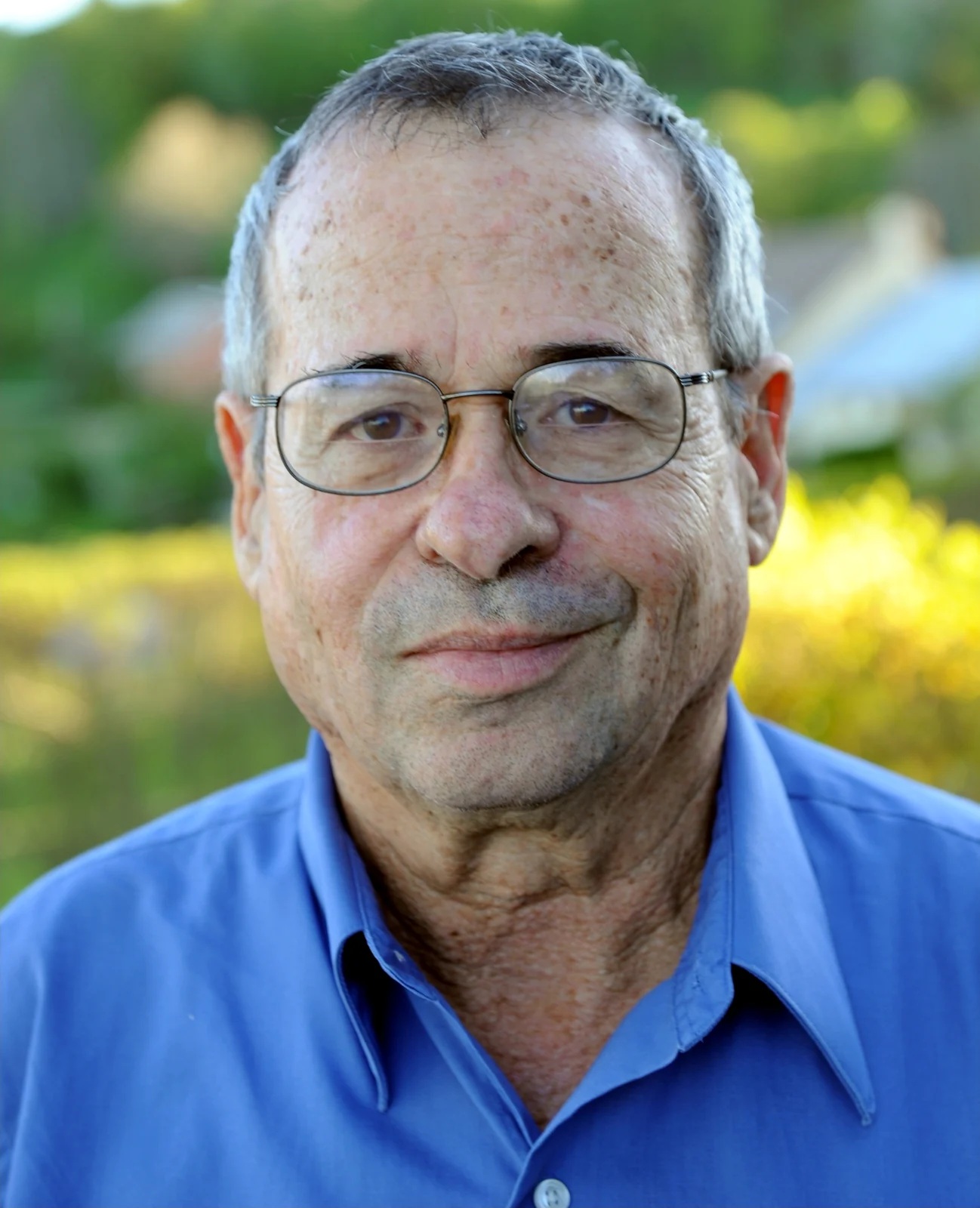
In this biography
Quick facts
- Born
- 12 July 1928
- Birthplace
- Methuen, MA, USA
- Country
- United States
- Nationality
- Not independently established
- Known for
- Developed systematic retrosynthetic planning and methods for constructing complex organic molecules.
Why this life matters
Developed systematic retrosynthetic planning and methods for constructing complex organic molecules.
Timeline
Key moments
Birth
Elias James Corey was born in Methuen, MA, USA.
A published planning account
Published General Methods for the Construction of Complex Molecules.
Nobel recognition
Received Nobel recognition for the work described in the official award record.
A family and an early education
Elias James Corey was born on 12 July 1928 in Methuen, Massachusetts, into a family with Lebanese roots. After his father’s death, his mother changed his given name from William to Elias. His autobiography describes a close extended household and the influence of relatives during the Depression and war years. He entered MIT and developed an interest in chemistry before doctoral work on synthetic penicillins. This context situates the later synthesis theorist within an education and family history, rather than making a conceptual framework appear to have emerged independently of training or personal circumstances.
A broad research programme in Illinois
Corey completed doctoral work by the end of 1950 and joined the University of Illinois at Urbana-Champaign as an instructor. He initially pursued physical-organic questions, including stereochemical interpretations of reactions, before expanding into more complex synthetic projects. His account emphasises a broad view of chemistry across theoretical and biological interests. The later method of planning did not replace laboratory chemistry; it grew alongside the need to choose useful transformations and investigate whether they would work. A route that looks attractive on paper still poses chemical problems when its individual steps meet actual materials and competing reactions.
Sources for this section: [4]
Reasoning backward from the target
Corey’s lecture dates his initial retrosynthetic idea to 1957 and describes a later decade of development. Instead of beginning only with a familiar starting material, the target could be analysed backward through possible precursor structures. His 1967 published account presented general methods for constructing complex molecules. The analytical move should not be confused with physically reversing a chemical reaction. It is a planning relation that generates forward possibilities, each of which requires evaluation and experimental support. The contribution made strategy more explicit and teachable without guaranteeing that every proposed disconnection would become a successful laboratory operation.
Harvard teaching and lasting recognition
Corey moved to Harvard in 1959, where he developed research and graduate teaching in chemical synthesis. His autobiography connects the teaching programme with the use of retrosynthetic concepts and broader strategies. He received the 1990 chemistry Nobel for theory and methodology of organic synthesis. His career links conceptual planning with the development of reactions and complete syntheses, while the distinction among those achievements remains useful. A planning framework can organise alternatives; a method can supply a transformation; an executed synthesis must demonstrate a route. Readers gain more by seeing those connections than by treating the Nobel citation as proof that every chemical plan is already feasible.
Quick answers
Frequently asked questions about Elias James Corey
- When did Corey join Harvard?
- In 1959.
- What did the 1990 Nobel citation recognise?
- His development of the theory and methodology of organic synthesis.
Keep exploring
Lives connected to this story
- John Pople
Compare a synthesis-planning framework with the different purpose of molecular electronic calculations.
Sources and further reading
Explore the evidence
These references support the biography and offer further reading. Official records, first-person accounts and independent reporting provide different perspectives; image records document attribution and licensing.