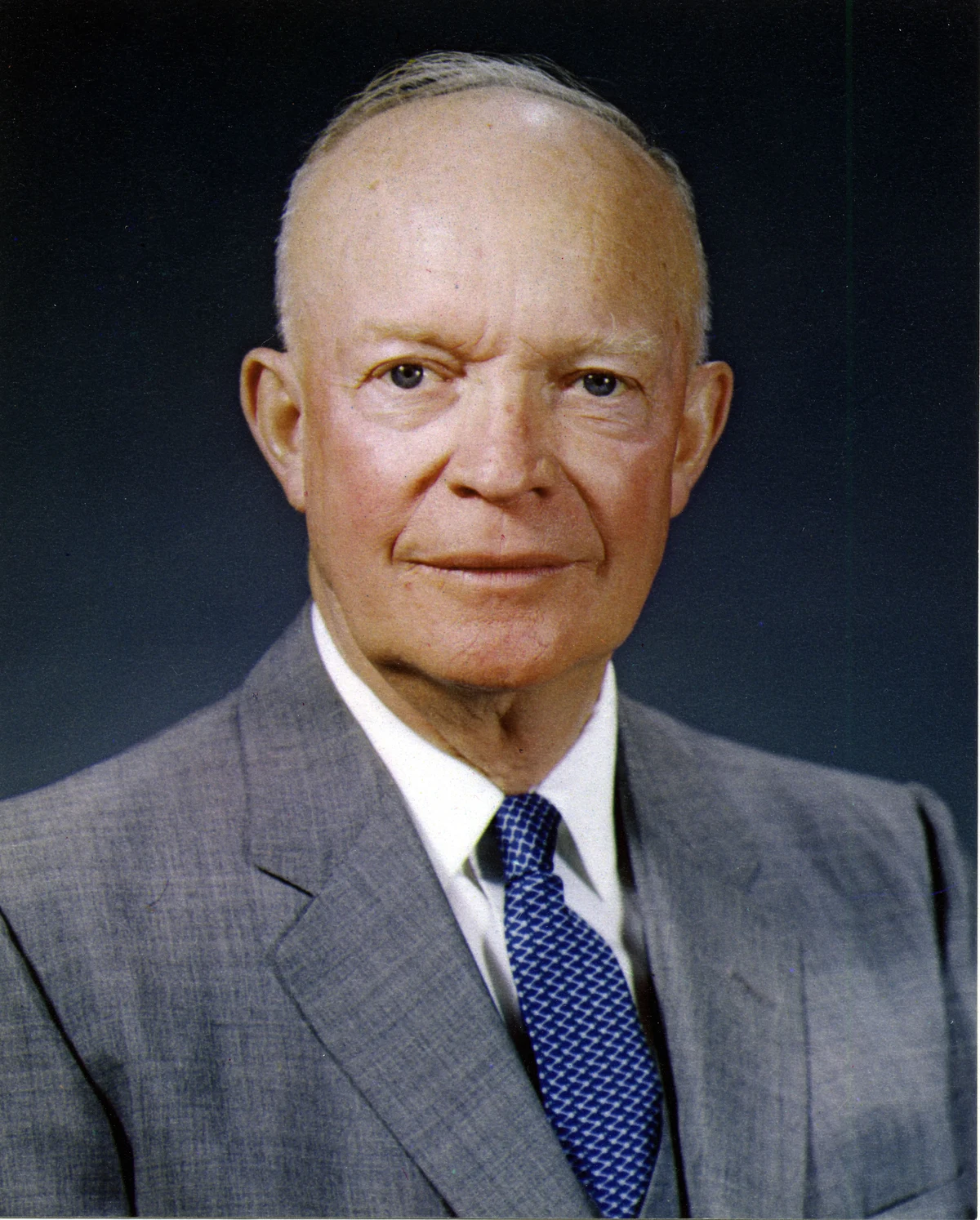
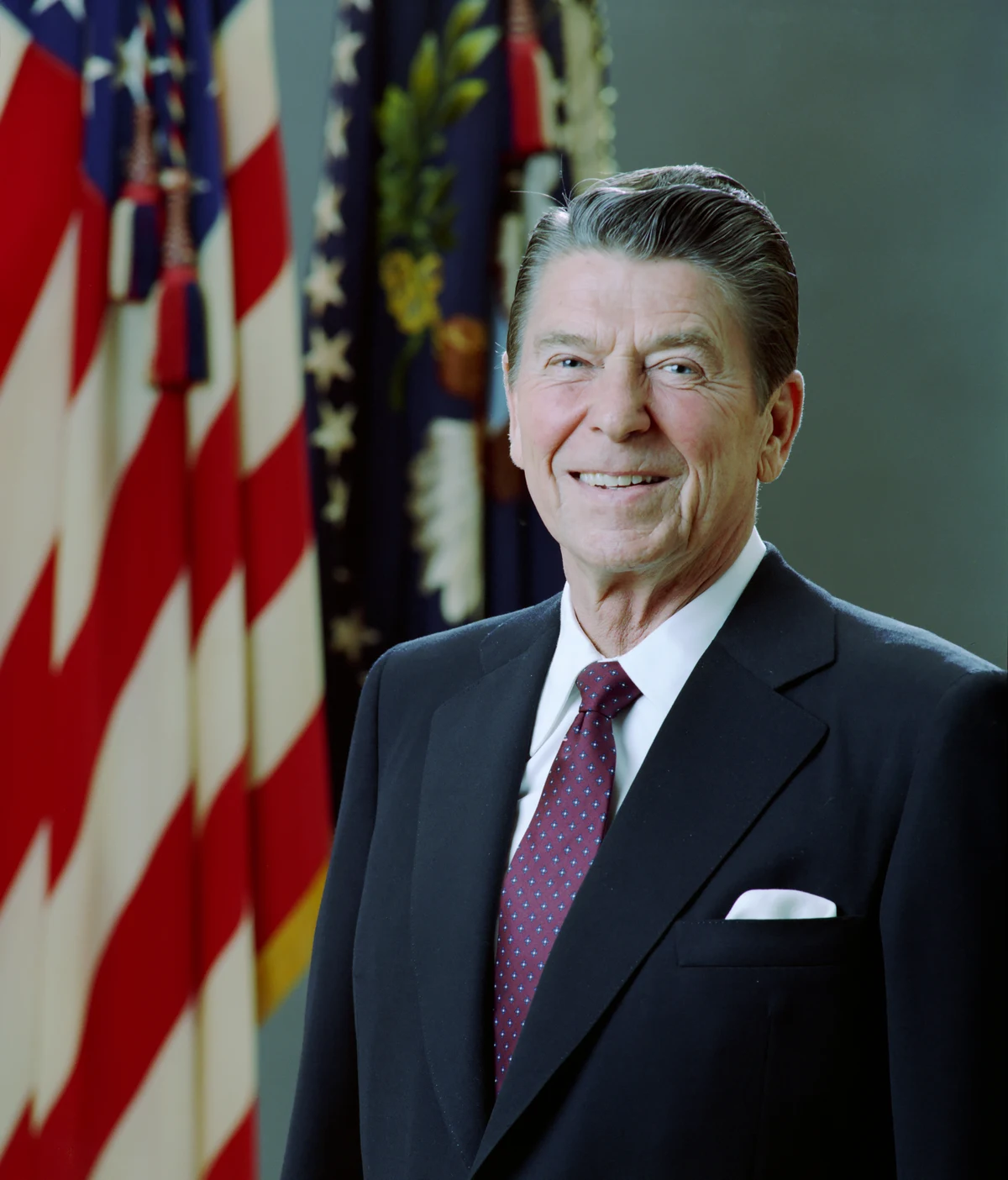
In this biography
Quick facts
- Born
- 12 June 1924
- Died
- 30 November 2018
- Birthplace
- Milton, Massachusetts, United States
- Country
- United States
- Nationality
- American
- Known for
- Late Cold War diplomacy, the 1991 Gulf War coalition and signing the Americans with Disabilities Act
- Naval service
- 1942–1945
- U.S. House service
- 1967–1971
- Vice president
- 1981–1989
- President
- 1989–1993
Why this life matters
Bush helped manage American diplomacy during German unification and the Soviet Union’s dissolution, and signed major disability-rights and environmental legislation. His record also raises questions about military power, economic priorities and the political costs of compromise.
Timeline
Key moments
Born in Massachusetts
George Herbert Walker Bush was born in Milton on 12 June.
Served in the Navy, then attended Yale
A wartime torpedo-bomber pilot, he survived being shot down in 1944 and graduated from Yale in 1948.
Built experience in elected and appointed office
House service preceded assignments at the United Nations, in China and at the CIA, followed by a presidential nomination campaign.
Served as vice president
He served two terms alongside Ronald Reagan before winning the 1988 presidential election.
Served as the 41st president
His term included Cold War transitions, the 1991 Gulf War and the 1990 ADA and Clean Air Act amendments.
Died in Houston
Bush died on 30 November, aged 94, and was buried at his presidential library in Texas.
Wartime service preceded Yale and a move to Texas
George Herbert Walker Bush was born in Milton, Massachusetts, on 12 June 1924. His family’s business and political connections formed a privileged background; his father, Prescott Bush, later served in the Senate. After graduating from Phillips Academy in 1942, he entered the Navy during the Second World War and trained as a naval aviator.
Flying torpedo bombers in the Pacific, he was shot down near Chichi Jima on 2 September 1944. He survived, but his two fellow crewmen died. After military service he attended Yale, graduating in 1948. He and Barbara Bush, whom he married in 1945, built a family while he pursued work in the Texas oil industry.
Election defeats and appointments produced a varied political apprenticeship
Bush’s first Senate campaign in Texas ended in defeat in 1964. He subsequently won a Houston-area House seat and served from 1967 to 1971. Another unsuccessful Senate campaign in 1970 closed that chapter of elected service, but Republican administrations continued to draw on his political skills and international interests.
His subsequent posts included ambassador to the United Nations, Republican National Committee chairman during the Watergate period, chief of the American liaison office in China and director of Central Intelligence. These were different kinds of responsibility, not interchangeable diplomatic jobs. Together they gave him experience with party organization, intelligence administration and foreign governments before he sought the presidency in his own right.
The vice presidency connected his career to Reagan’s administration
Bush competed against Ronald Reagan for the Republican presidential nomination in 1980 before joining him as the party’s vice-presidential candidate. Their victories in 1980 and 1984 gave Bush eight years as vice president, from 1981 to 1989. He combined constitutional duties in the Senate with presidential assignments and extensive contact with foreign leaders.
In 1988 he won the presidency after campaigning as an experienced successor to Reagan. He took office on 20 January 1989 with a Democratic-controlled Congress and ambitious promises about both public service and fiscal restraint. His earlier roles helped prepare him for international negotiations, but electoral success did not remove the conflicts between budget deficits, domestic needs and his campaign pledge against new taxes.
Diplomacy and military intervention shaped a changing international order
Bush’s presidency coincided with the opening of the Berlin Wall, German unification and the Soviet Union’s dissolution. He and advisers including James Baker and Brent Scowcroft worked with European and Soviet leaders through these changes. American diplomacy mattered, but the transformation also depended on decisions and movements within the countries concerned.
His government used force in Panama in December 1989, removing Manuel Noriega in an invasion that attracted international condemnation. After Iraq invaded Kuwait in 1990, Bush assembled a broad coalition and obtained congressional support for military action. The 1991 campaign expelled Iraqi forces from Kuwait. That conflict had a different objective from the 2003 invasion ordered during his son’s presidency; it did not overthrow Saddam Hussein.
Disability rights and clean-air legislation required congressional partnership
On 26 July 1990 Bush signed the Americans with Disabilities Act. The law extended disability civil-rights protections across employment, public services, public accommodations and communications. It followed years of organizing by disabled people, policy development and congressional negotiation. His support and signature were consequential contributions to that shared achievement, not its sole origin.
Later that year he signed major Clean Air Act amendments addressing problems including acid rain, urban smog and toxic emissions. Both measures required cooperation across party lines. They also left substantial implementation work to agencies, employers, public bodies and other institutions. A signing ceremony established a law, but did not instantly eliminate environmental hazards or the barriers disabled people encountered.
Budget compromise and economic distress limited his political success
Bush’s 1990 budget agreement combined spending measures and tax increases, breaking a central campaign commitment and dividing his party. A recession and concern about jobs weakened the political benefit of foreign-policy achievements. His presidency also faced the costly savings-and-loan crisis. These pressures made economic security a central issue as he sought another term.
Bill Clinton defeated him in the 1992 election, and Bush left office in January 1993. His later years became part of a longer family history of public service, including George W. Bush’s separate presidency. George H. W. Bush died in Houston on 30 November 2018, aged 94. His record joins coalition-building and major legislation to contested military decisions and an electoral defeat rooted in domestic discontent.
Quick answers
Frequently asked questions about George H. W. Bush
- How are George H. W. Bush and George W. Bush different?
- George H. W. Bush was the 41st president, serving in 1989–1993. His son George W. Bush was the 43rd president, serving in 2001–2009.
- Did Bush create the Americans with Disabilities Act alone?
- No. Disabled activists, the National Council on Disability, legislators and administration officials developed and advanced the measure. Bush supported it and signed it on 26 July 1990.
- What was the objective of the 1991 Gulf War?
- The coalition campaign sought to expel Iraqi forces from Kuwait following Iraq’s 1990 invasion. It did not overthrow Saddam Hussein and should not be confused with the 2003 Iraq invasion.
- Why did the 1990 budget agreement become controversial?
- It included tax increases despite Bush’s campaign pledge against new taxes. The compromise sought to address the deficit, but angered many conservatives while the economy remained a major political concern.
Keep exploring
Lives connected to this story
- George W. Bush
Distinguish the father’s 1989–1993 presidency from his son’s later administration and different Iraq War.
- Ronald Reagan
Read about the administration in which Bush served two terms as vice president.
- Colin Powell
Explore the career of the Joint Chiefs chairman who advised Bush during the 1990–1991 Gulf crisis.
Sources and further reading
Explore the evidence
These references support the biography and offer further reading. Official records, first-person accounts and independent reporting provide different perspectives; image records document attribution and licensing.
- 1. U.S. House of Representatives, History, Art & ArchivesGeorge Herbert Walker Bush: Biographical Directory entry
- 2. George H.W. Bush Presidential Library and Museum, National ArchivesPresident George Bush
- 3. United States SenateGeorge H. W. Bush: Vice Presidential Bust Collection biography
- 4. Miller Center, University of VirginiaGeorge H. W. Bush: Domestic Affairs
- 5. Miller Center, University of VirginiaGeorge H. W. Bush: Foreign Affairs
Used for historical chronology and competing assessments. Broad praise, casual treatment of casualties and categorical legal judgments are not adopted.
- 6. U.S. Department of Justice, ADA ArchivesRemarks at the Signing of the Americans with Disabilities Act, 26 July 1990
A contemporary presidential account of the signing; paired with the National Council on Disability’s account of the law’s earlier collective development.
- 7. National Council on DisabilityNCD Commemorates 35th Anniversary of Toward Independence
- 8. U.S. Department of Defense photograph via Wikimedia CommonsOfficial George H. W. Bush portrait, DN-SC-89-05558