
The short answer
How did cable support and deck stiffening work together for railway loads?
Read the records together
Contributions,evidence and scope
Different records illuminate different parts of this particular undertaking.
| Record | What the record establishes | What remains distinct |
|---|---|---|
| NPS engineering life records | Connect manufacture with bridge practice. | Cable manufacture alone does not define an entire bridge. |
| Construction-history study | Identifies stays and stiffening elements. | No universal load-sharing percentage is inferred. |
| 1855 report catalogue | Confirms contemporary project reporting. | Catalogue metadata is not a full-report reading. |
Railway loads made flexibility a practical question
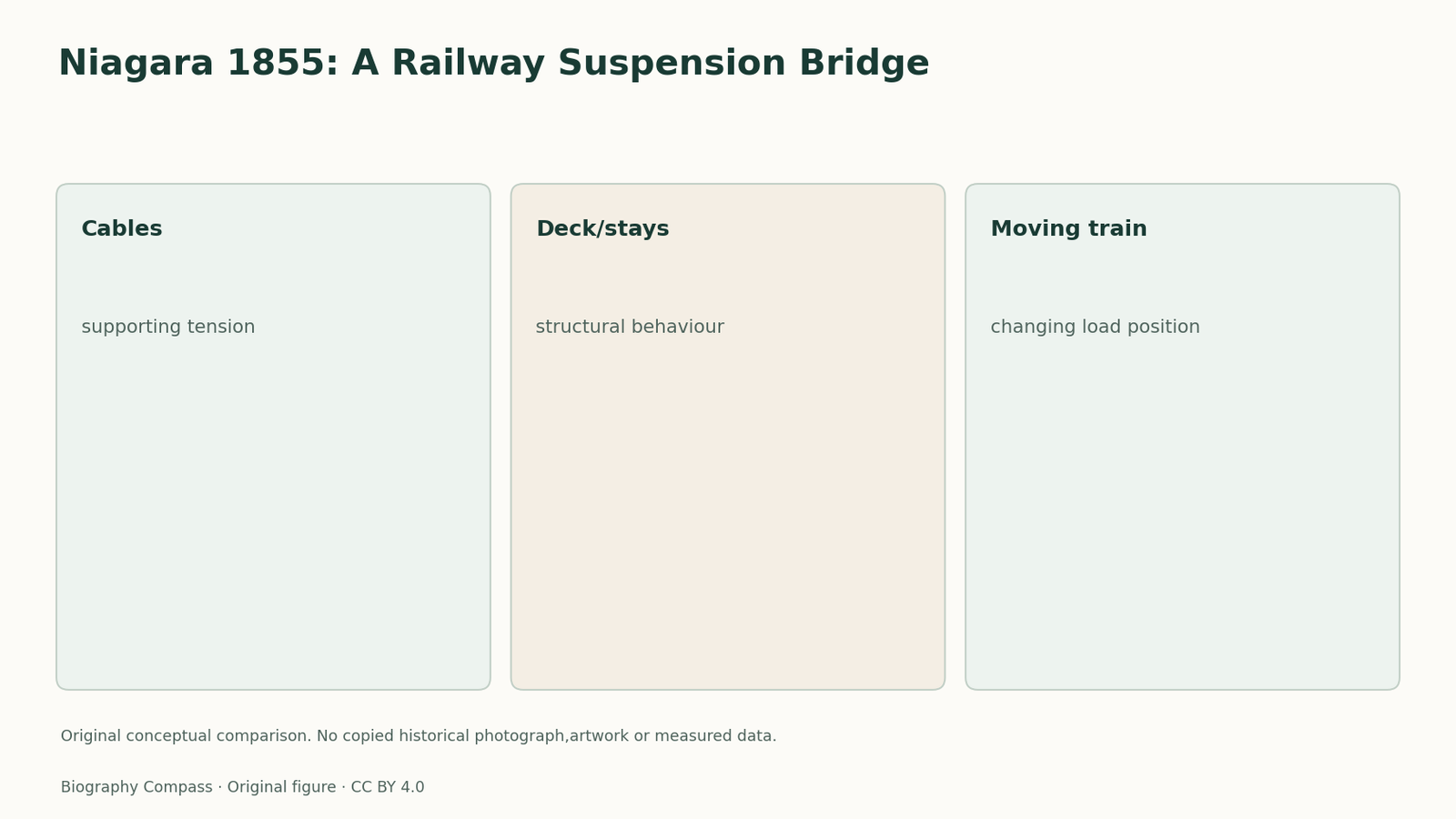
The Niagara crossing completed in 1855 carried railway traffic on a suspension structure. The engineering problem involved more than the tensile capacity of its main cables. A moving train could load one part of the deck differently from another, and the deck needed resistance to excessive deformation. The construction-history account identifies stays and trusswork as part of Roebling’s approach to stiffness. This distinction between support and stiffness is the key to understanding the project. A cable strong enough not to break does not, by that fact alone, describe how level or steady the running surface will remain.
A contemporary report and a later assessment differ
Smithsonian Libraries catalogues Roebling’s 1 May 1855 final report to the two Niagara bridge companies. The catalogue establishes the author, date and existence of a contemporary project record; its 47 pages have not all been inspected here. The later scholarly account interprets his methods in the context of earlier work. The 1883 Brooklyn opening oration looks back again, praising Niagara as evidence of his experience. These records have different purposes: project reporting, historical interpretation and civic celebration. Their agreement on the importance of Niagara does not make every sentence in the celebratory speech a technical finding.
Separate strength from stiffness on paper
Draw two imagined bridges with cables labelled capable of carrying the load. Give one deck a separate stiffening system and leave the other undefined. Ask whether the cable label alone proves equal behaviour under a moving train. The checked answer is no: strength and deformation are different questions, and the missing deck information matters. This original comparison introduces no historical test results and is not a design instruction. It provides a reason to look for the stays, trusses and connections in the actual records. The result explains why Niagara was a system of interacting elements rather than simply a very long piece of wire rope.
Continue the chronology
Related history guides
Forth Bridge: Model, Cantilevers and Loads
Understand what the Forth Bridge human cantilever model explained, and how a demonstration differed from the real bridge’s design and construction.
Read the timeline1869–1883Brooklyn Bridge: Caissons and Direction
Trace the Brooklyn Bridge’s caisson work and continuing engineering direction, distinguishing Washington Roebling’s formal office from site responsibilities.
Read the timelineBiography context
Explore United States through connected lives
Connected biographies
People behind this work
1806–1869
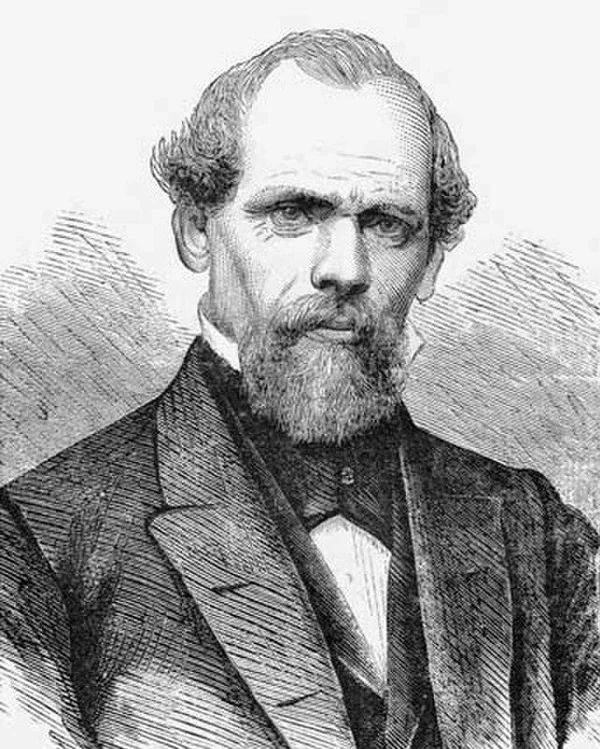
John Augustus Roebling
Civil engineer and wire-rope manufacturerJohn Augustus Roebling is remembered for developing wire-rope manufacturing and suspension bridges, including Niagara and the design of the Brooklyn Bridge.Read biography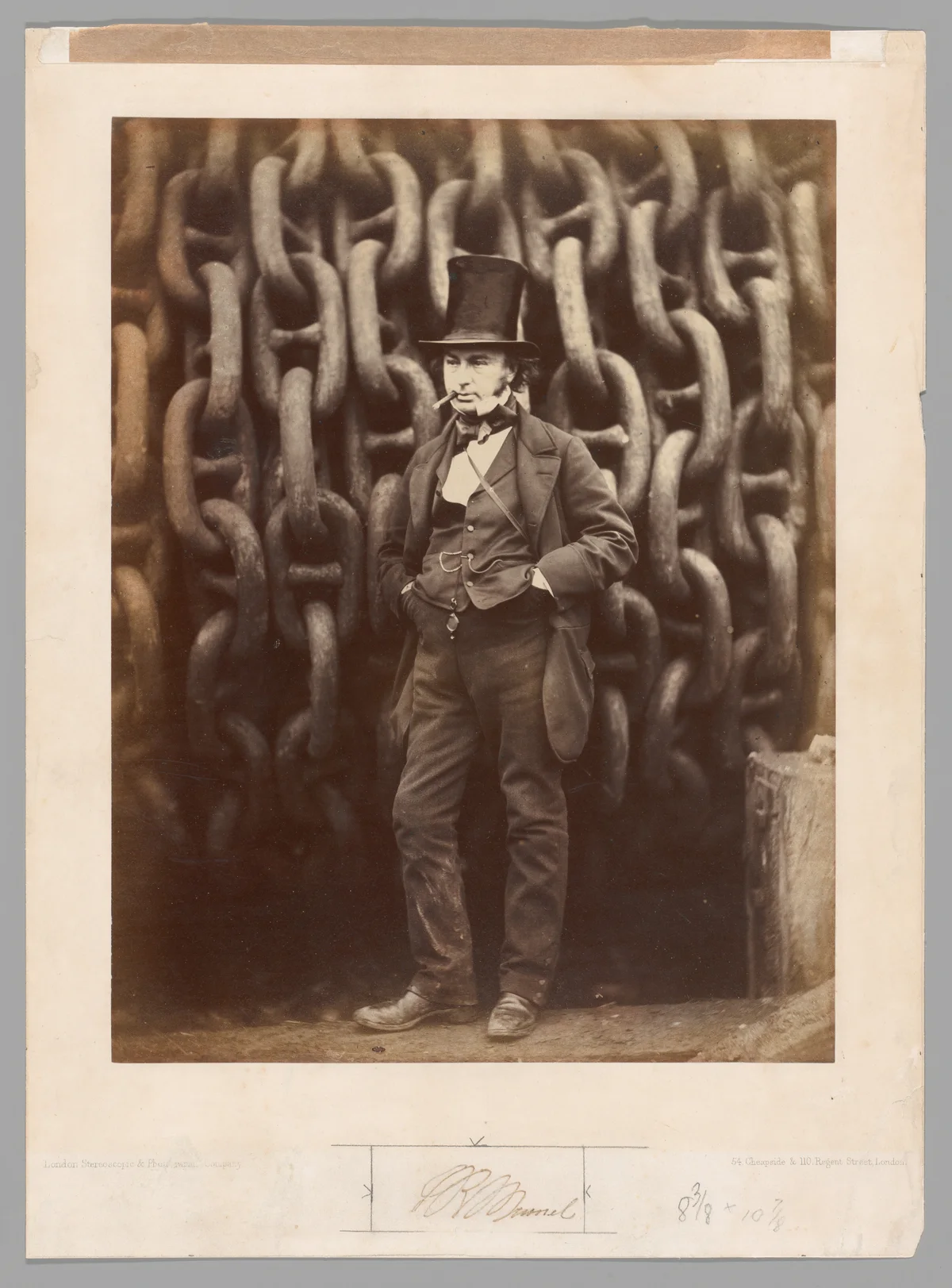
1806–1859
Isambard Kingdom Brunel
Consulting civil engineer for railway, bridge, dock and steamship enterprisesIsambard Kingdom Brunel ran an engineering practice serving railway and maritime companies. As the Great Western Railway’s engineer, he helped connect London and Bristol in 1841. His ships and structures combined technical ambition with financial risk and depended on investors, contractors and workers.Read biography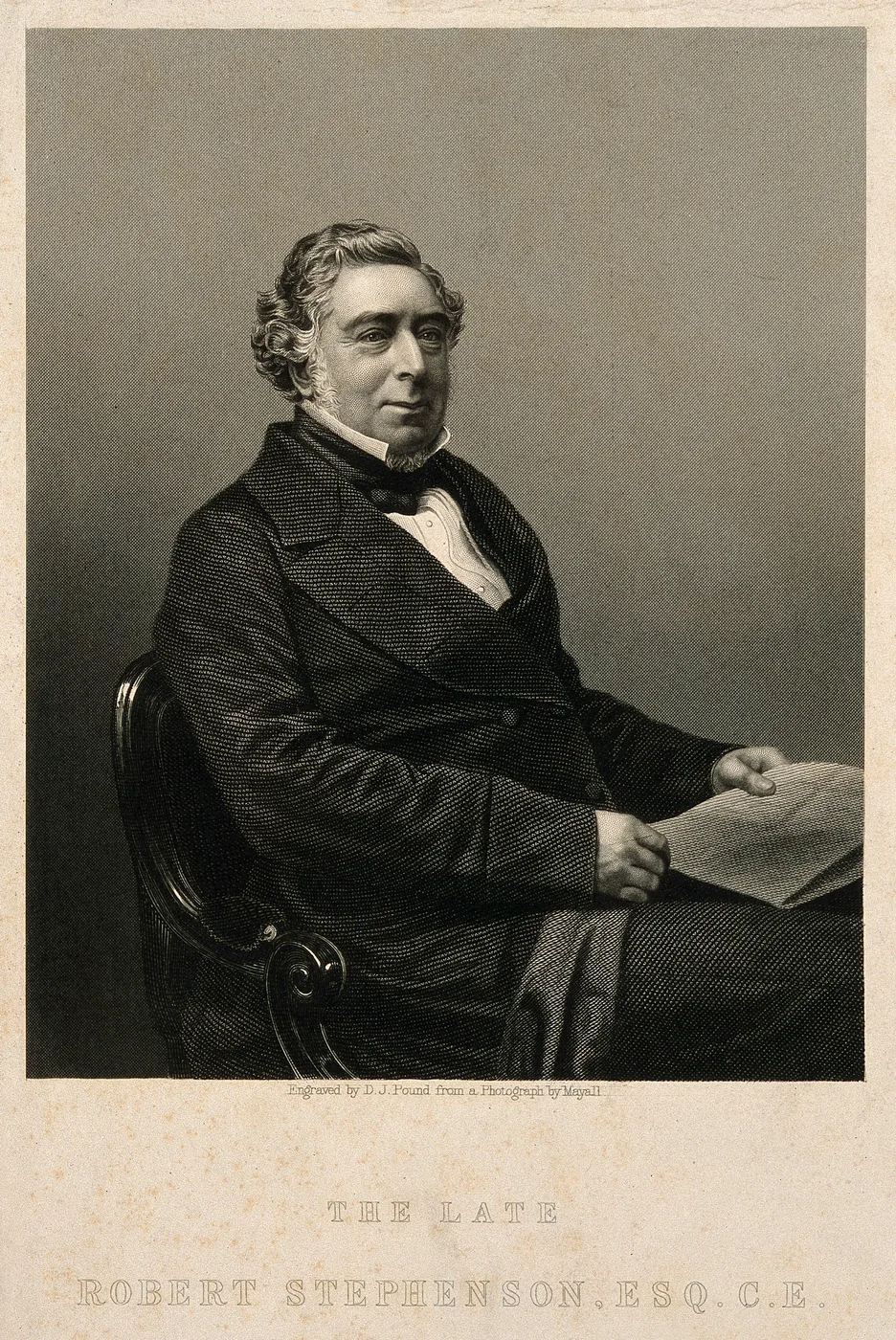
1803–1859
Robert Stephenson
Locomotive manufacturer and civil engineerRobert Stephenson helped turn railway engineering into a large manufacturing and construction enterprise. George Stephenson’s son, he directed locomotive production, led major railway works and designed ambitious bridges, while the fatal Dee bridge collapse exposed the consequences of structural failure.Read biographyQuick answers
Common questions
- Why did the Niagara bridge need more than strong cables?
- Cables supplied support, but the deck, stays and stiffening construction also mattered under changing railway loads.
Primary and institutional sources
How this history was checked
The cited records distinguish contemporary accounts,official catalogues and later institutional or scholarly interpretation. The comparison and worked exercise are original editorial material. This article was reviewed on 7 November 2026.
- US National Park Service, Upper DelawareJohn Roebling
- US National Park Service, Allegheny Portage RailroadJohn A. Roebling
- Andreas Kahlow, construction history proceedings, University of Cambridge repositoryJohann August Roebling: Early Projects in Context
- John A. Roebling, Smithsonian Libraries catalogueFinal Report, 1 May 1855
- New York and Brooklyn Bridge, Project GutenbergOpening Ceremonies (1883), Hewitt address