In this biography
Quick facts
- Born
- 13 November 1856
- Died
- 5 October 1941
- Birthplace
- Louisville, Kentucky, United States
- Country
- United States
- Nationality
- Not independently established
- Known for
- Privacy, free expression and legal reform
- Full name
- Louis Dembitz Brandeis
- Court appointment
- 1916
Why this life matters
His career connects public-interest advocacy, factual research and constitutional argument.
Timeline
Key moments
Legal education
Completed his Harvard law degree.
Supreme Court
Joined the Court after a contested confirmation.
Retirement
Retired from active judicial service.
From Kentucky to a Boston practice
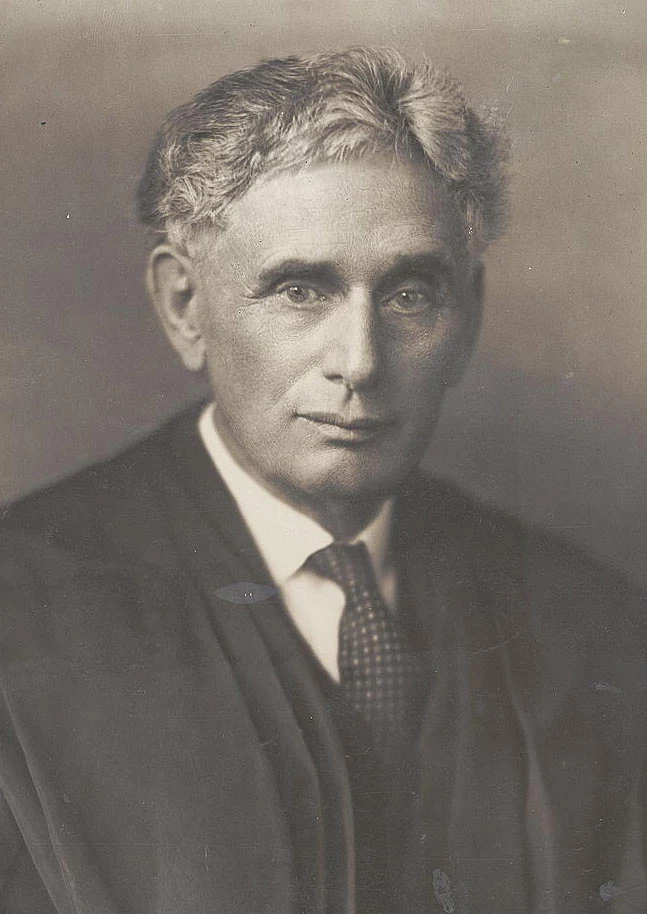
Born in Louisville, Brandeis earned his Harvard law degree in 1877. After work in St. Louis, he established his career in Boston. The Federal Judicial Center records private practice there from 1879 until his Supreme Court appointment.
His later reputation as a reformer grew from the work of a practising lawyer, rather than from a career as an elected legislator. Keeping those roles separate helps explain how he influenced policy without holding a legislative seat.
Sources for this section: [1]
Privacy and public-interest advocacy
Brandeis became known for unpaid public-interest work and advocacy over wages and working hours. He co-authored The Right to Privacy with Samuel D. Warren in 1890; his later judicial writing challenged governmental intrusion into individual life.
These were different forms of legal intervention: a published argument seeks to persuade readers, while a dissent records a judge’s disagreement with a court’s controlling result. Neither should automatically be described as an enacted rule.
Research was a collaboration
Florence Kelley and Josephine Goldmark recruited Brandeis to defend Oregon’s restriction on women’s working hours. Goldmark helped assemble the medical and social material associated with the 1908 Brandeis Brief.
The familiar name can hide that research network. It can also hide the argument’s gendered premise: the Supreme Court upheld the laundry-hours law using assumptions about women’s dependence and maternal role. A successful reform argument was not necessarily an argument for equal treatment.
A judicial career and its limits
Woodrow Wilson nominated Brandeis in 1916. The confirmation was bitterly contested and marked by antisemitism; he became the Court’s first Jewish justice. He retired in 1939 and died in Washington in 1941.
Reading his career requires attention to who was speaking and with what authority. The linked case study separates the lawyer’s submission from Justice David Brewer’s opinion, preserving both the reform achievement and the limitations of its reasoning.
Quick answers
Frequently asked questions about Louis Brandeis
- Did Brandeis write the Court’s opinion in Muller?
- No. He represented Oregon; Justice David Brewer wrote the Court’s opinion.
Keep exploring
Lives connected to this story
- Ruth Bader Ginsburg
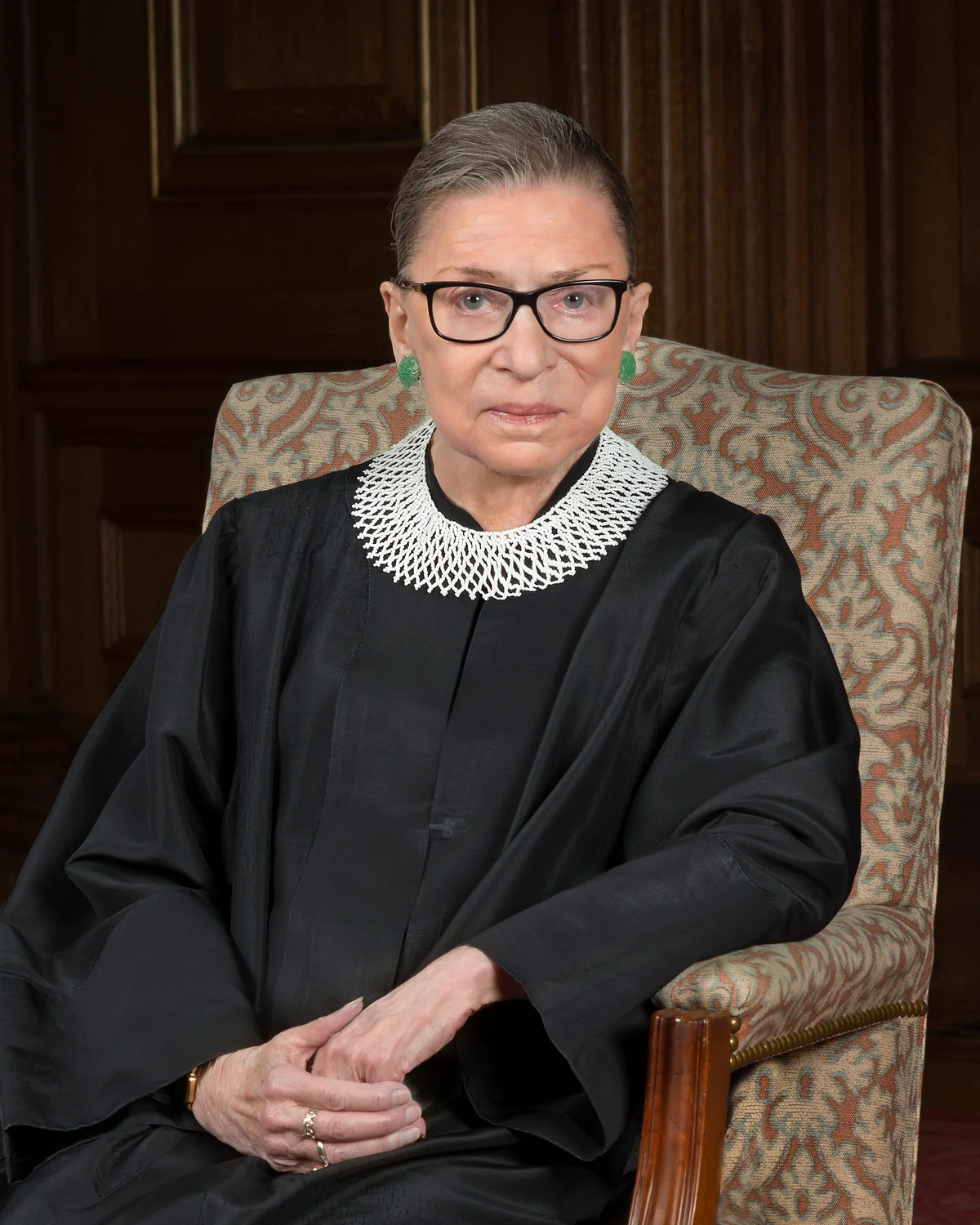
Compare a later career confronting legal distinctions based on sex.
- Robert H. Jackson
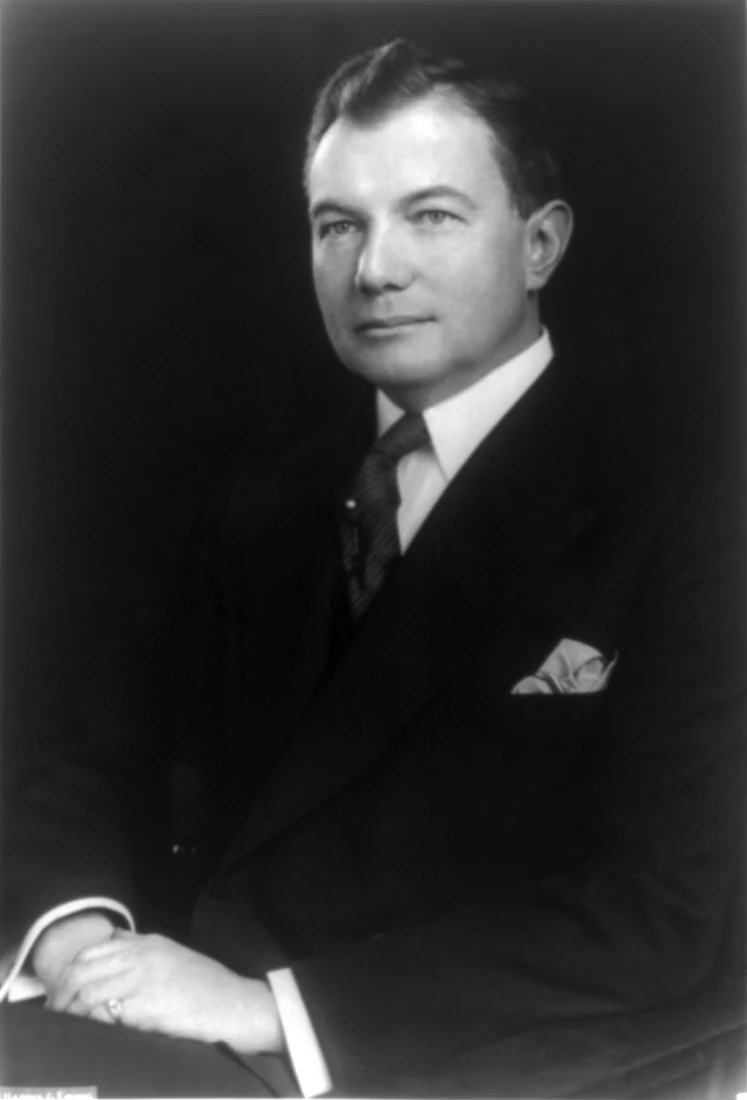
Compare another justice’s approach to constitutional liberty.
Sources and further reading
Explore the evidence
These references support the biography and offer further reading. Official records, first-person accounts and independent reporting provide different perspectives; image records document attribution and licensing.
- 1. Federal Judicial CenterLouis Dembitz Brandeis
- 2. Brandeis UniversityOur Namesake: Louis D. Brandeis
- 3. University of Louisville, Louis D. Brandeis School of Law Library; explanatory introductionThe Brandeis Brief
- 4. U.S. Supreme Court, opinion by Justice David Brewer; text hosted by JustiaMuller v. Oregon, 208 U.S. 412 (1908)
- 5. Samuel D. Warren and Louis D. Brandeis; selected publication heading and byline, University of Louisville copyThe Right to Privacy (1890)