

The short answer
What did Jones’s transport refrigeration system make possible?
Compare the evidence
Transport Cooling: Patent and Practical Use
Compare what each inspected record establishes with the claim that remains separate.
| Record or observation | What it supports | What remains separate |
|---|---|---|
| Individual patent record | Documents inventors, dates and the proposed arrangement | Does not provide a journey performance log |
| Practical mobile-refrigeration history | Explains the transport need and equipment constraints | Does not make Jones the inventor of refrigeration itself |
Preserving a load requires more than an insulated box
Jones's transport-refrigeration work addressed temperature control while a vehicle was moving goods. Insulation can slow heat transfer, whereas a powered cooling arrangement can remove heat from the compartment. The examined 1942 patent describes an attachable vehicle unit with equipment for treating and circulating the compartment air. Its objective is a functioning arrangement for a carrier such as a truck or railway car, not simply a statement that cold conditions are desirable.
A patent documents a proposed arrangement
United States patent 2,303,857 identifies Jones and Joseph Numero, with a November 1939 application and December 1942 grant. Its description includes a heat exchanger, air-moving equipment and associated control. Those details document an engineering proposal and a specific legal record. They do not supply a measured temperature history for every truckload, nor do they establish that every earlier or later refrigeration unit had the same configuration. General invention summaries and individual patent dates should therefore remain visibly separate.
Sources for this section: [2]
Compare three kinds of evidence
For an original classroom exercise, make columns headed design, operation and delivered condition. Place a patent description in design, an invented journey temperature log in operation, and an arrival inspection in delivered condition. Ask which item proves that every product remained suitable throughout a route. The answer is none by itself: the interpretation depends on the goods, conditions and measurements. This exercise does not offer food-storage instructions. It explains why an important transport invention and proof of a particular delivery's performance are connected but different claims.
Continue the chronology
Related history guides
Biography context
Explore United States through connected lives
Connected biographies
People behind the records
1893–1961
Frederick McKinley Jones
Inventor and transport-refrigeration developerPractical mobile refrigeration and vehicle air-conditioning systems.Read biography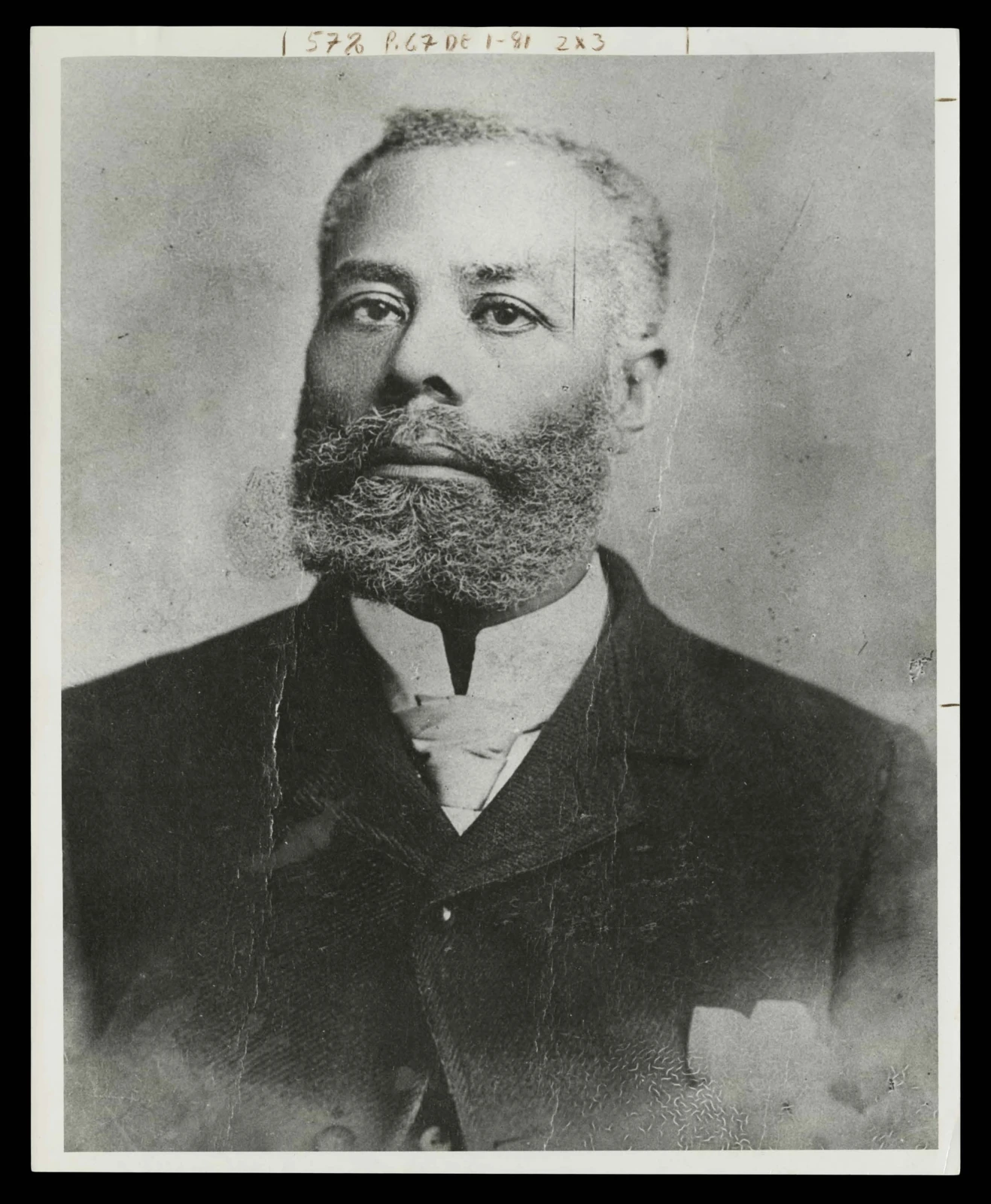
1844–1929
Elijah McCoy
Mechanical inventor and automatic-lubrication developerAutomatic lubricators that supplied oil to operating machinery.Read biography1877–1963
Garrett Morgan
Inventor and entrepreneur in public-safety equipmentSafety-hood improvements and a manually operated traffic-signal design.Read biographyQuick answers
Common questions
- What did Jones’s transport refrigeration system make possible?
- Jones helped make powered temperature control practical in mobile transport. His examined 1942 patent documents a vehicle-compartment system, but its grant date and claims must be distinguished from other patents and measured delivery performance.
Primary and institutional sources
How this history was checked
Sources distinguish individual patent or technical records from biographical and retrospective accounts. Their actual reading scope is retained in the biography source notes. This article was reviewed on 7 November 2026.