

The short answer
A rule described as protective can do different things: improve conditions, exclude people from work, or combine both effects. This study follows that distinction in selected pages of a jointly authored historical article.
Evidence and interpretation
Read a rule by what it does
This table is an editorial question set, not a legal test.
| Record | Question | Evidence still needed |
|---|---|---|
| Provision | What condition is improved? | The task and the actual benefit |
| Restriction | Who is prevented from doing the work? | The criterion and its application |
| Alternative | Could the aim be met another way? | A workable change and its consequences |
Chronology
A timeline of the turning points
Joint article
Murray and Eastwood published their analysis in the George Washington Law Review.
Close reading
The study focuses on the opening argument and the discussion of employment restrictions.
A standard is not always an exclusion
In the selected discussion, the authors distinguished minimum standards that could be extended to men from restrictions that barred women from occupations or particular hours. They argued that preserving every sex-specific restriction could undermine the federal prohibition.
The useful distinction is functional: what does a rule require an employer to provide, and whom does it prevent from participating? A favourable title is not enough to establish its effect.
Sources for this section: [1]
The career context
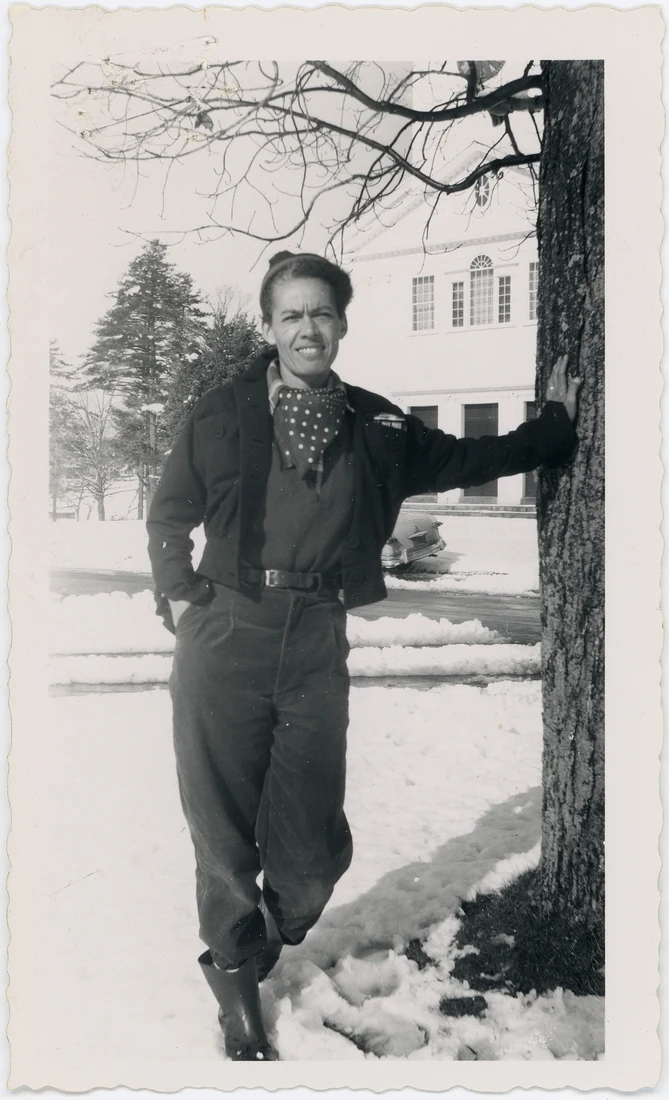
Murray’s earlier compilation of segregation laws supplied advocates with a reference work; later writing extended the investigation of exclusion into employment and sex discrimination. The National Women’s History Museum describes these connected phases of research and advocacy.
That connection explains why the subject belongs in a biography-based archive, while the article remains a shared intellectual contribution. It should not be reduced to one person’s memorable phrase.
Sources for this section: [2]
Try a functional comparison
Consider two invented policies. Policy A requires every workstation to provide seating where the task allows it. Policy B refuses a qualified applicant solely because the employer assigns an entire sex to a prohibited category. What further evidence would you collect?
Reference answer: examine the task, the actual condition improved, the people excluded and feasible alternatives. A label such as protection does not supply those facts. These are editorial examples, not events reported in the article and not statements of current law.
For a source note, record the pages read, the proposed interpretation and the status of the author. An academic article can be influential without being an order that an institution must obey.
Continue the chronology
Related history guides
Biography context
Explore United States through connected lives
Connected biographies
People behind the records
1933–2020
Ruth Bader Ginsburg
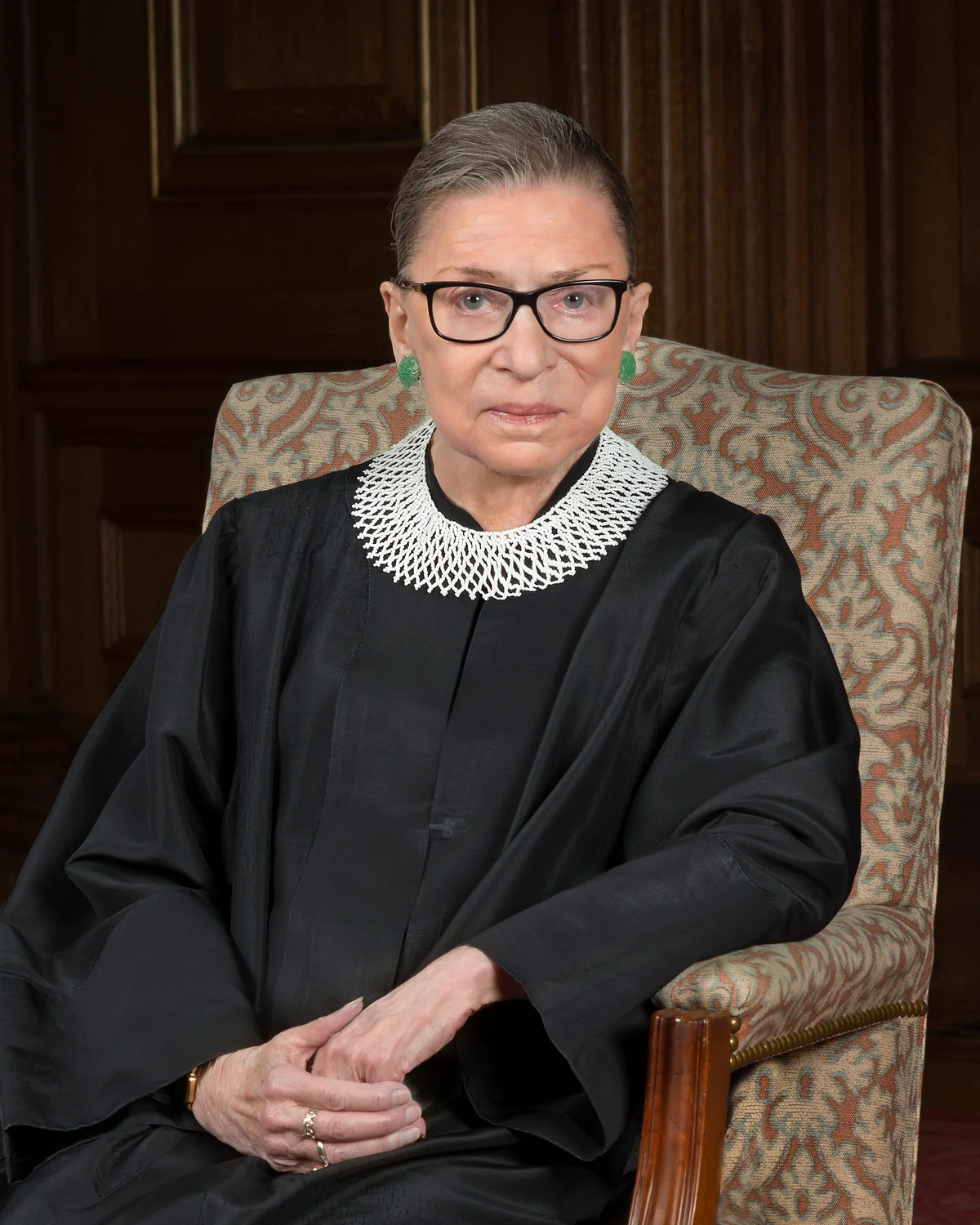
U.S. Supreme Court justice and earlier women’s-rights lawyerRuth Bader Ginsburg served on the U.S. Supreme Court from 1993 until 2020. Before becoming a judge, she helped develop the ACLU’s campaign against sex discrimination; on the Court, she wrote major opinions and dissents concerning equal citizenship and access to justice.Read biographyQuick answers
Common questions
- Is this a complete survey of Jane Crow or current employment law?
- No. It is a historical close reading of selected pages and an original comparison exercise.
Primary and institutional sources
How this history was checked
Read the selected records below alongside this explanation. A later recollection, an advocacy text and a court ruling answer different questions; cited excerpts do not stand for a complete archival survey. This article was reviewed on 4 November 2026.