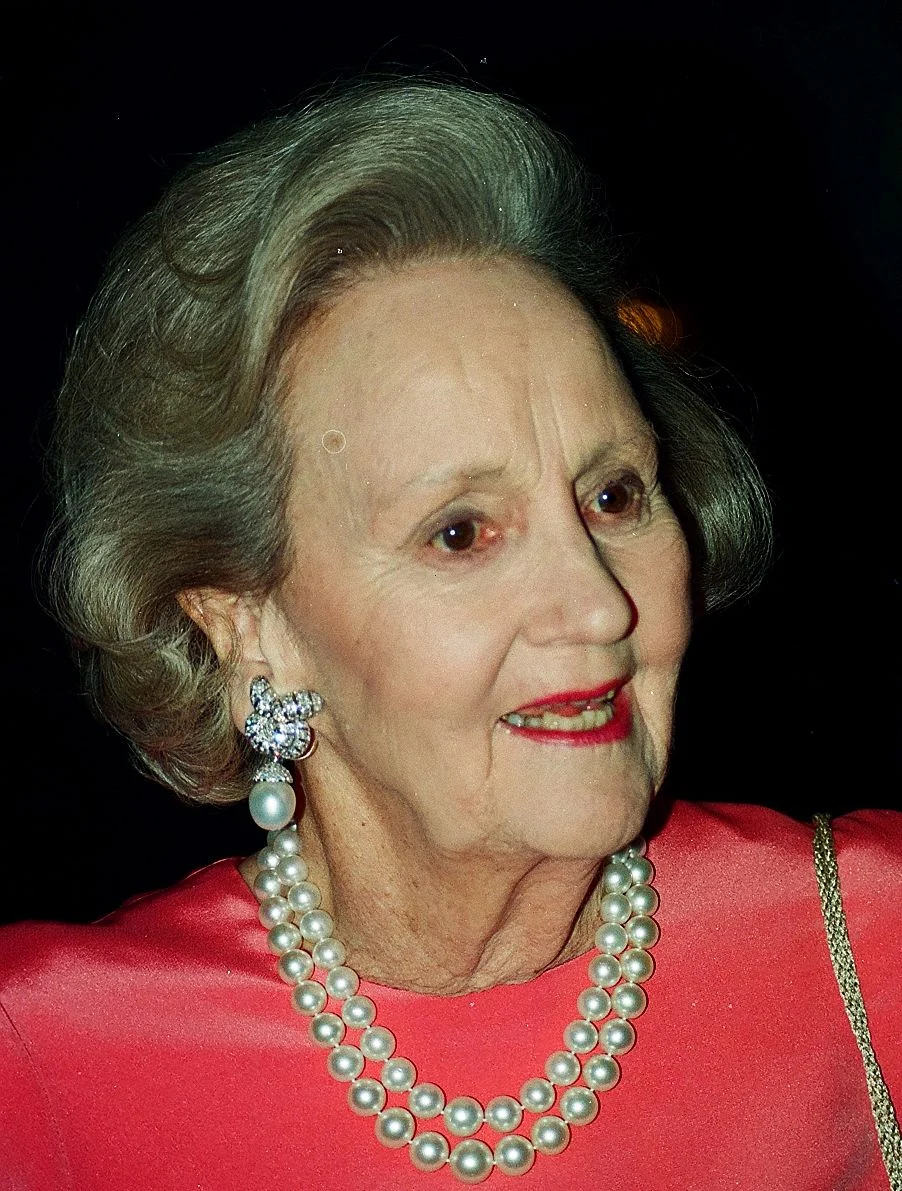
In this biography
Quick facts
- Born
- 16 June 1917
- Died
- 17 July 2001
- Birthplace
- New York, United States
- Country
- United States
- Nationality
- Not independently established
- Known for
- Washington Post leadership
- Early occupation
- Reporter
Why this life matters
Her influence depended on an organisation that combined publishing decisions, reporting and corporate governance. The risks she accepted deserve attention alongside newsroom collaboration, labour conflict and the limits of a court ruling.
Timeline
Key moments
Company presidency
Succeeded Philip Graham.
Publication decision
Authorised publication.
Memoir recognised
Biography prize.
A working life before executive authority
Graham attended Vassar before graduating from the University of Chicago in 1938. She reported for the San Francisco News, then worked in editorial and circulation departments at the Washington Post. She married Philip Graham in 1940.
Her later authority is often remembered through dramatic publishing decisions. These earlier jobs place that authority within a longer working life, including experience of the newspaper before she led its parent company.
Sources for this section: [1]
Company leadership and the newsroom
After Philip’s death, she became Washington Post Company president in 1963. Ben Bradlee became executive editor in 1968. The Post’s staff began its Watergate coverage in 1972, receiving a public-service Pulitzer the following year.
The archival chronology dates her newspaper publisher role to 1969–79. These were complementary responsibilities. A publisher could support a risky investigation without becoming the reporter or editor responsible for producing it.
Publication before a final judicial decision
In June 1971 Graham approved publication of the Pentagon Papers despite the legal risk.
The Post first published on 18 June, before the Supreme Court’s final decision. The sequence matters. The decision was made under uncertainty, not after obtaining a judicial assurance that every possible consequence was harmless. The accompanying guide separates that business decision from what the Court actually resolved.
Governance and conflict
Graham became CEO and board chair in 1973; those roles ended in 1991 and 1993 respectively.
Her tenure also included the bitter 1975–76 pressmen’s strike. The biographical account describes her refusal to rehire workers involved in damaging the presses. This belongs beside the celebrated publication decisions. A career in newspaper ownership involved industrial relations and the use of managerial power, as well as defending the newsroom’s ability to publish.
A later account of a public career
Her memoir Personal History won the 1998 Pulitzer Prize for Biography.
She died in Boise in 2001. The award identifies a later work, not a replacement for examining the contemporaneous institutional and court records. Her career is most revealing when personal recollection, corporate chronology and the work of colleagues are kept in view together. It shows the relationship between ownership and editorial independence without treating the two as identical.
Quick answers
Frequently asked questions about Katharine Graham
- Was the publisher the investigation’s sole author?
- No. Publishing authority and newsroom reporting are distinct contributions.
Keep exploring
Lives connected to this story
- Satya Nadella
Compare a different route into organisational leadership and public responsibility.
Sources and further reading
Explore the evidence
These references support the biography and offer further reading. Official records, first-person accounts and independent reporting provide different perspectives; image records document attribution and licensing.
- 1. Library of CongressKatharine Graham Papers: biographical note
The indexed finding-aid chronology was read; native access failed and no manuscript files were inspected. Its company-presidency listing includes an absence during the stated span, so a continuous presidency is not asserted.
- 2. The Washington PostAbout the Washington Post: history
- 3. Biography.comKatharine Graham
- 4. Historical Society of the D.C. CircuitPentagon Papers, 1971
- 5. The Pulitzer PrizesPersonal History: 1998 Biography winner
The winning-work record was inspected; the memoir itself was not read.