
The short answer
How did spontaneous recorded speech become a deliberately constructed animated performance?
Read the evidence
Sources, interpretation and production roles
The records answer different questions about this work. The final exercise is an original teaching model.
| Record or question | Supported reading | Boundary or contrast |
|---|---|---|
| MoMA’s curatorial essay | Identifies the children’s recorded speech as the basis of the film. | A sound contribution does not allocate every visual task. |
| ACMI’s catalogue | Registers director, company and 1959 production date. | A catalogue credit is narrower than a full account of collaboration. |
| MoMA exhibition release | Documents surviving production-art categories and later recognition. | An award ceremony year is not automatically the release year. |
An expedition begins with voices
Moonbird is a 1959 short associated with John and Faith Hubley’s independent studio. ACMI describes two boys preparing a nighttime expedition with equipment to catch an imagined bird. MoMA identifies the recorded speech of Mark and Ray Hubley as its foundation. The useful production question is therefore not whether children could read a professional script convincingly. Their speech already supplied the hesitations, interruptions and changing direction around which the animated encounter could be organised. A recorded event provided one kind of spontaneity, while the image gave it a place, figures and visible action. Those are related contributions, not interchangeable ones.
An archive changes how we assign authorship
The 1997 MoMA exhibition brought concept material, backgrounds, layouts and storyboards into view beside finished films. Its catalogue of objects suggests a practical distinction: recording a conversation does not automatically determine where a character stands or how long an action lasts. Those choices belong to the construction of the screen performance. Conversely, calling the result entirely a director’s invention overlooks the children’s contribution to its rhythm and imagined situation. The museum’s description of the children as creative participants is especially useful here. It gives the sound performance a place in the history without claiming that children executed every production task.
Release date, award and catalogue role
ACMI’s record identifies 1959 as the production year, credits John as director and names Storyboard as the production company. The MoMA release discusses the later Oscar ceremony when describing the studio’s recognition. These are different categories of date and responsibility. A library catalogue can identify a director while a retrospective explains a wider partnership, and neither should automatically erase the other. The distinction also helps a reader compare a public credit with evidence of working practice. A complete production history would need additional records; the inspected accounts establish the sound source and the collaborative setting without supplying a shot-by-shot authorship ledger.
A voice-to-image exercise with an answer
Try an original paper exercise using an invented exchange: one child proposes a cautious plan and another interrupts with a larger one. Draw three empty frames, then make two versions. In the first, give each speaker an equal interval; in the second, leave room for the interruption and a pause before the reply. Which version preserves the character of the exchange? A possible answer favours the second, provided the pause and interruption remain legible. The exercise demonstrates why recorded timing can guide an animator while leaving staging and movement open. It does not recreate Moonbird’s soundtrack, quote the children or pretend that these three frames describe its actual production.
Continue the chronology
Related history guides
Biography context
Explore United States through connected lives
Connected biographies
People and related creative practices

1914–1977
John Hubley
Animation director and studio co-founderJohn Hubley moved from Hollywood studio design to independent animation, working with Faith Hubley, musicians and the recorded voices of their children.Read biography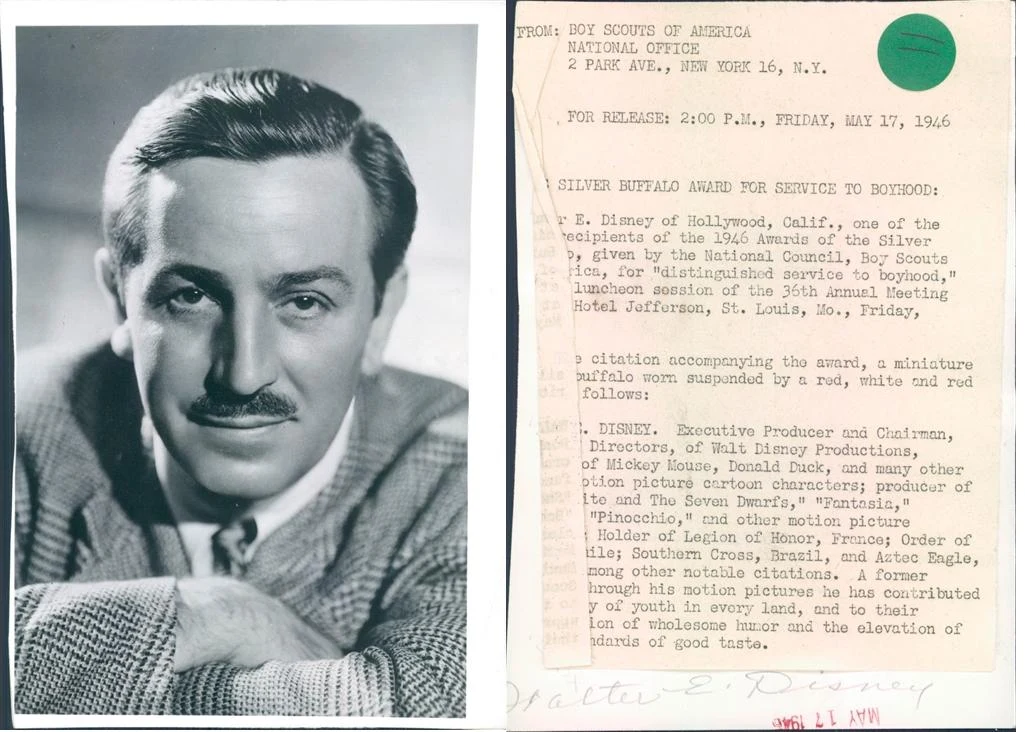
1901–1966
Walt Disney
Animation producer and entertainment entrepreneurWalt Disney was an American animation producer and entrepreneur who built an entertainment business with his brother Roy. His work ranged from silent cartoon production to Mickey Mouse, animated features, television and Disneyland, with essential contributions from artists, performers and business partners.Read biography1924–2001
Faith Hubley
Independent animator, editor and directorFaith Hubley developed an independent animated cinema from an established editing career, a shared studio with John Hubley and decades of solo filmmaking.Read biographyQuick answers
Common questions
- Why distinguish recorded speech from animation?
- The recording supplies a vocal performance; staging, drawing and editing turn it into a screen encounter.
- Was Moonbird a 1959 or 1960 film?
- The film is dated 1959; 1960 in the museum release refers to its Academy Award ceremony.
Primary and institutional sources
How this history was checked
Sources include production records, institutional collections and the specifically identified passages discussed here. Interpretations and teaching models are distinguished from credits and publication facts. This article was reviewed on 7 November 2026.