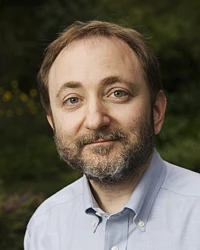
In this biography
Quick facts
- Born
- 1925
- Died
- 2008
- Birthplace
- Montclair, NJ, USA
- Country
- United States
- Nationality
- Not independently established
- Known for
- Genetic recombination in bacteria and the organisation of bacterial genetic material
Why this life matters
His career illustrates how a model organism can change its scientific status: bacteria became a powerful source of general genetic knowledge, not merely practical objects of infection research.
Timeline
Key moments
Birth
Born in Montclair, NJ, USA.
Nobel recognition
Received the Nobel Prize in Physiology or Medicine.
Medical study becomes experimental genetics
Joshua Lederberg was born in Montclair, New Jersey, in 1925 and grew up in New York. He studied at Columbia before moving into research with Edward Tatum at Yale. Their work made bacteria useful for asking questions previously associated with inheritance in more complex organisms. Lederberg subsequently developed his career at the University of Wisconsin, where he organised a medical-genetics department, and at Stanford, where he became the founding head of genetics in 1959.
Bacteria could exchange genetic material
In 1946 Lederberg and Tatum demonstrated genetic recombination in bacteria. The finding challenged an account in which bacterial division simply produces lineages with unchanged genetic constitutions. Lederberg also contributed to the study of transduction, in which bacteriophages transfer genetic information. His Nobel lecture explicitly acknowledged a wide community of investigators and his collaboration with Esther Lederberg. He received half of the 1958 medicine prize; George Beadle and Tatum shared the other half for their separate work on genes and biochemical events.
Institution building beyond one experiment
Lederberg later served as president of Rockefeller University from 1978 to 1990. The university's obituary describes a scientist who combined molecular genetics with sustained public and institutional service. His work crossed into computing and questions about life beyond Earth, although those activities should not be substituted for the bacterial experiments recognised by the Nobel award. He died in 2008. His career illustrates how a model organism can change its scientific status: bacteria became a powerful source of general genetic knowledge, not merely practical objects of infection research.
Quick answers
Frequently asked questions about Joshua Lederberg
- What is Joshua Lederberg known for?
- Genetic recombination in bacteria and the organisation of bacterial genetic material.
Keep exploring
Lives connected to this story
- Hermann J. Muller
Compare the related experimental question and research career.
- Daniel Nathans
Compare the related experimental question and research career.
Sources and further reading
Explore the evidence
These references support the biography and offer further reading. Official records, first-person accounts and independent reporting provide different perspectives; image records document attribution and licensing.
- 1. Nobel Prize OutreachJoshua Lederberg — Facts
Source scope: Birth/death and award metadata; short official work summary.
- 2. Nobel FoundationJoshua Lederberg — Biographical
Source scope: Selected historical passages, as recorded in the research evidence ledger; not a full-document reading claim.
- 3. Nobel FoundationJoshua Lederberg — Nobel lecture
Source scope: Selected historical passages, as recorded in the research evidence ledger; not a full-document reading claim.
- 4. The Rockefeller UniversityJoshua Lederberg, Rockefeller's fifth president, dies at82
Source scope: Opening obituary, early training and Wisconsin/Stanford appointments; presidency1978–1990. Degree-year conflict with Nobel autobiography not silently resolved.