
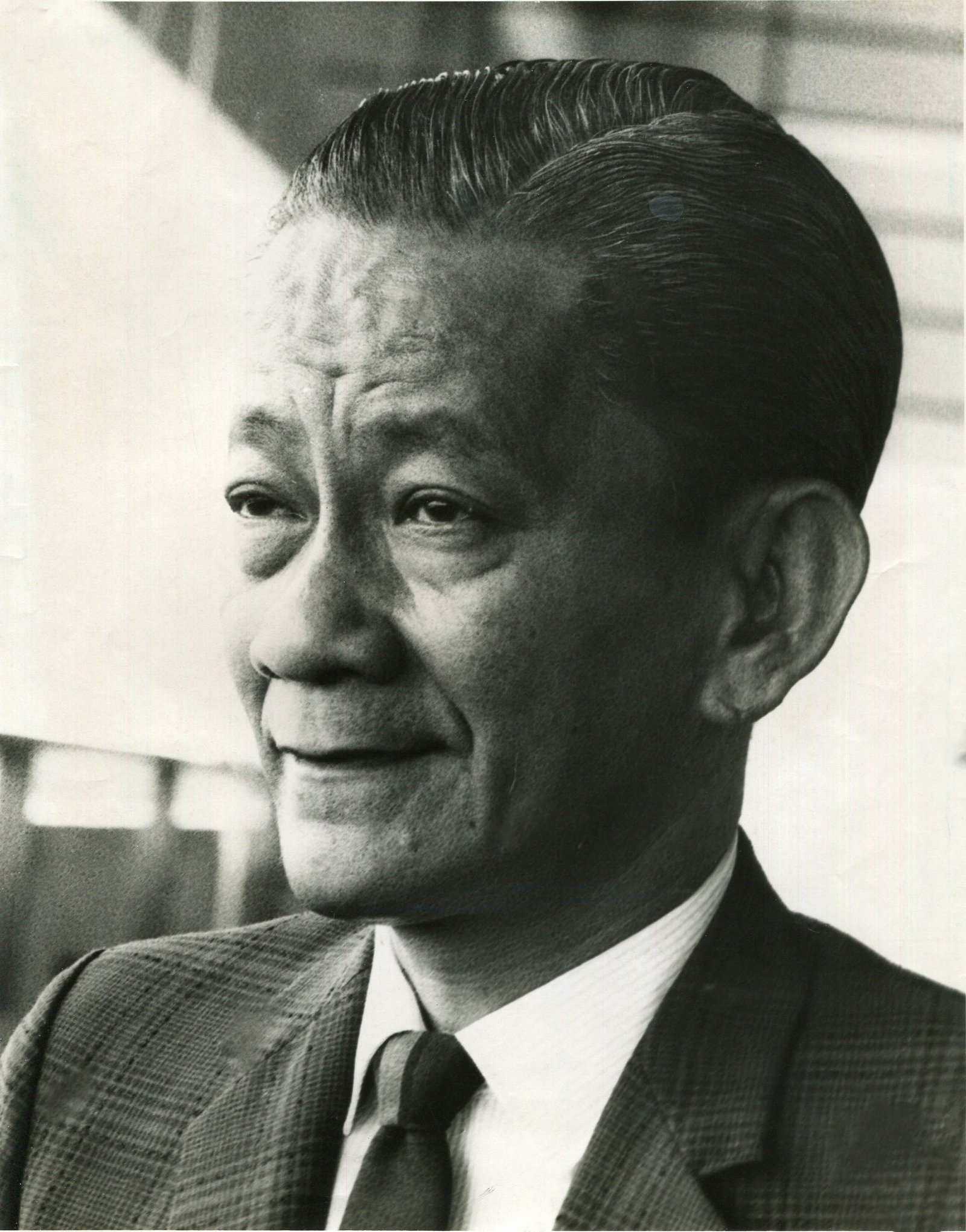
In this biography
Quick facts
- Born
- 4 December 1916
- Died
- 26 March 1984
- Birthplace
- Cebu City, Philippines
- Country
- Philippines
- Nationality
- Filipino
- Known for
- Challenging Ferdinand Marcos in the 1969 Philippine presidential election
- Known as
- Serging Osmeña
- National office
- Senator, 1965–1972
- Presidential campaign
- Liberal Party nominee, 1969
- Earlier offices
- Cebu governor, mayor and representative
Why this life matters
Osmeña’s campaign marked the last presidential contest before martial law and made the scale, cost and violence of the 1969 election central to debates about the Third Republic’s collapse.
Timeline
Key moments
Elected governor of Cebu
Began a sequence of provincial, city and national elected offices.
Led Cebu City as mayor
Won three mayoral elections while building an independent political base in Cebu.
Won a Senate seat
Entered the national chamber in the election that first brought Marcos to the presidency.
Ran for president
Led the Liberal Party ticket against incumbent president Ferdinand Marcos.
Survived the Plaza Miranda bombing
Was among the opposition figures injured when grenades struck a Liberal Party rally.
Senate term was cut short
The declaration of martial law closed Congress and ended the Seventh Congress.
From Cebu government to the Senate
Sergio Osmeña Jr. was the son of Commonwealth president Sergio Osmeña, but his own political base was built through Cebu. After studying commerce at New York University, he served as provincial governor, Cebu City mayor and a representative before winning a Senate seat in 1965.
The route from local executive office to the national chamber made him one of the most visible political leaders outside Manila. It also placed a major regional organisation behind his later challenge to an incumbent president.
The 1969 challenge to Marcos
The Liberal Party nominated Osmeña for president in June 1969, with Genaro Magsaysay as his running mate. Marcos campaigned on infrastructure and incumbency while the opposition warned about corruption, public debt and the use of state power in the contest.
Marcos won more than five million votes and became the first president under the 1935 Constitution to secure reelection. The result was decisive, but the election’s exceptional spending and violence became part of the explanation for the inflation, distrust and protest that followed.
Opposition before the constitutional rupture
Osmeña remained in the Senate after losing the presidency. He was injured in the 21 August 1971 bombing of the Liberal Party proclamation rally at Plaza Miranda, an attack that killed nine people and wounded scores of candidates and spectators.
His Senate service ended when martial law closed Congress in 1972. Osmeña later lived in the United States and died in Los Angeles in 1984, before the election crisis and People Power uprising ended Marcos rule.
Quick answers
Frequently asked questions about Sergio Osmeña Jr.
- Who was Sergio Osmeña Jr.?
- Sergio Osmeña Jr. was a senator, Cebu leader and 1969 presidential candidate. Osmeña’s campaign marked the last presidential contest before martial law and made the scale, cost and violence of the 1969 election central to debates about the Third Republic’s collapse.
- What is Sergio Osmeña Jr. best known for?
- Sergio Osmeña Jr. is best known for challenging Ferdinand Marcos in the 1969 Philippine presidential election.
- When and where was Sergio Osmeña Jr. born?
- Sergio Osmeña Jr. was born on 4 December 1916 in Cebu City, Philippines.
- When did Sergio Osmeña Jr. die?
- Sergio Osmeña Jr. died on 26 March 1984.
Sources and further reading
How this biography was checked
Core dates and offices are checked against the sources below. This profile was last reviewed on 9 September 2026.


