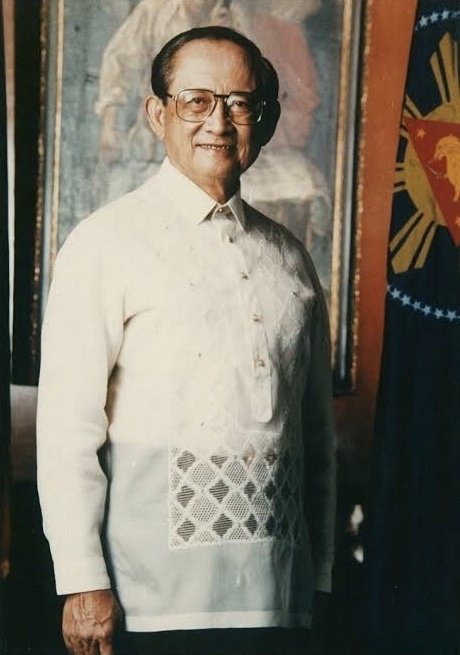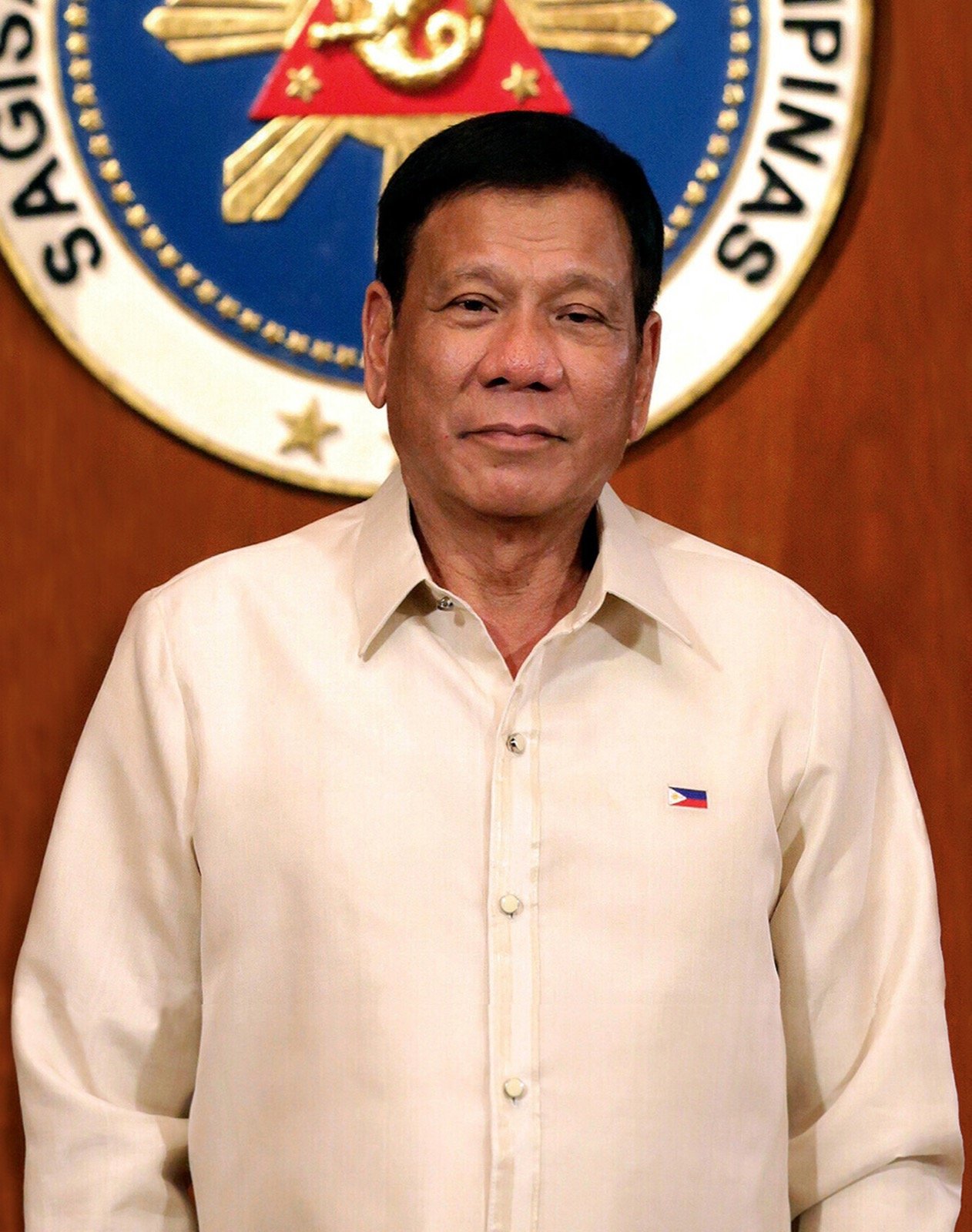
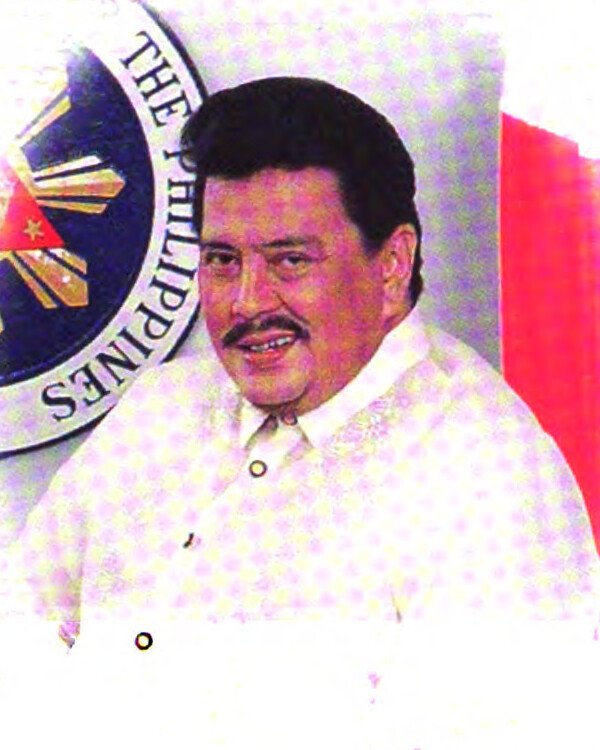
In this biography
Quick facts
- Born
- 19 April 1937
- Birthplace
- Tondo, Manila, Philippines
- Country
- Philippines
- Nationality
- Filipino
- Known for
- Moving from popular cinema to the presidency and leaving office during the Second EDSA uprising
- Birth name
- José Marcelo Ejercito Sr.
- Office
- President, 1998–2001
- Earlier offices
- Vice president, senator and mayor of San Juan
- Later office
- Mayor of Manila, 2013–2019
Why this life matters
Estrada’s rise showed the electoral power of mass media and pro-poor populism; his fall tested constitutional succession, impeachment and public mobilisation after 1986.
Timeline
Key moments
Born in Tondo
Born José Marcelo Ejercito on 19 April.
Entered the film industry
Adopted the screen name Joseph Estrada and built a career playing working-class heroes.
Became mayor of San Juan
Moved from cinema into elected local government.
Elected senator
Entered the restored Senate after the People Power transition.
Elected vice president
Won the vice presidency on a ticket separate from President Fidel V. Ramos.
Won the presidency
Secured a large popular mandate with a campaign centred on the poor.
Left Malacañang
An aborted impeachment trial, mass protest and the withdrawal of military support preceded Gloria Macapagal Arroyo’s succession.
Convicted and pardoned
The Sandiganbayan convicted Estrada of plunder; President Arroyo later granted him an executive pardon that restored civil and political rights.
A screen persona becomes a political base
Joseph Estrada became one of Philippine cinema’s most recognisable leading men by playing defenders of ordinary people. He converted that image into a long tenure as mayor of San Juan, then served in the Senate and as vice president.
His 1998 presidential campaign used the slogan “Erap para sa mahirap” and joined celebrity with an explicit appeal to voters who felt excluded from elite politics. The size of his victory demonstrated how directly popular entertainment could be translated into national political authority.
Impeachment, removal and political return
Allegations of corruption led the House to impeach Estrada in 2000. When his Senate trial broke down, demonstrations known as EDSA II, cabinet resignations and the withdrawal of military support produced a rapid transfer of power to Vice President Gloria Macapagal Arroyo in January 2001.
A special court convicted Estrada of plunder in 2007. Arroyo granted him a pardon soon afterward; the pardon restored his civil and political rights but did not erase the conviction. Estrada later ran again for president and served two terms as mayor of Manila, showing that his populist appeal survived the crisis that ended his presidency.
Quick answers
Frequently asked questions about Joseph Estrada
- Who is Joseph Estrada?
- Joseph Estrada is a president of the Philippines, 1998–2001. Estrada’s rise showed the electoral power of mass media and pro-poor populism; his fall tested constitutional succession, impeachment and public mobilisation after 1986.
- What is Joseph Estrada best known for?
- Joseph Estrada is best known for moving from popular cinema to the presidency and leaving office during the Second EDSA uprising.
- When and where was Joseph Estrada born?
- Joseph Estrada was born on 19 April 1937 in Tondo, Manila, Philippines.
Sources and further reading
How this biography was checked
Core dates and offices are checked against the sources below. This profile was last reviewed on 8 September 2026.
- Senate of the PhilippinesJoseph Ejercito Estrada
- Laperal Mansion, Office of the PresidentJoseph E. Estrada — 13th President
- The Lawphil ProjectEstrada v. Desierto — presidential succession decision
- The Lawphil ProjectPeople v. Estrada — plunder judgment
- The Lawphil ProjectRisos-Vidal v. COMELEC — effect of executive pardon
- Wikimedia CommonsPortrait and licence record