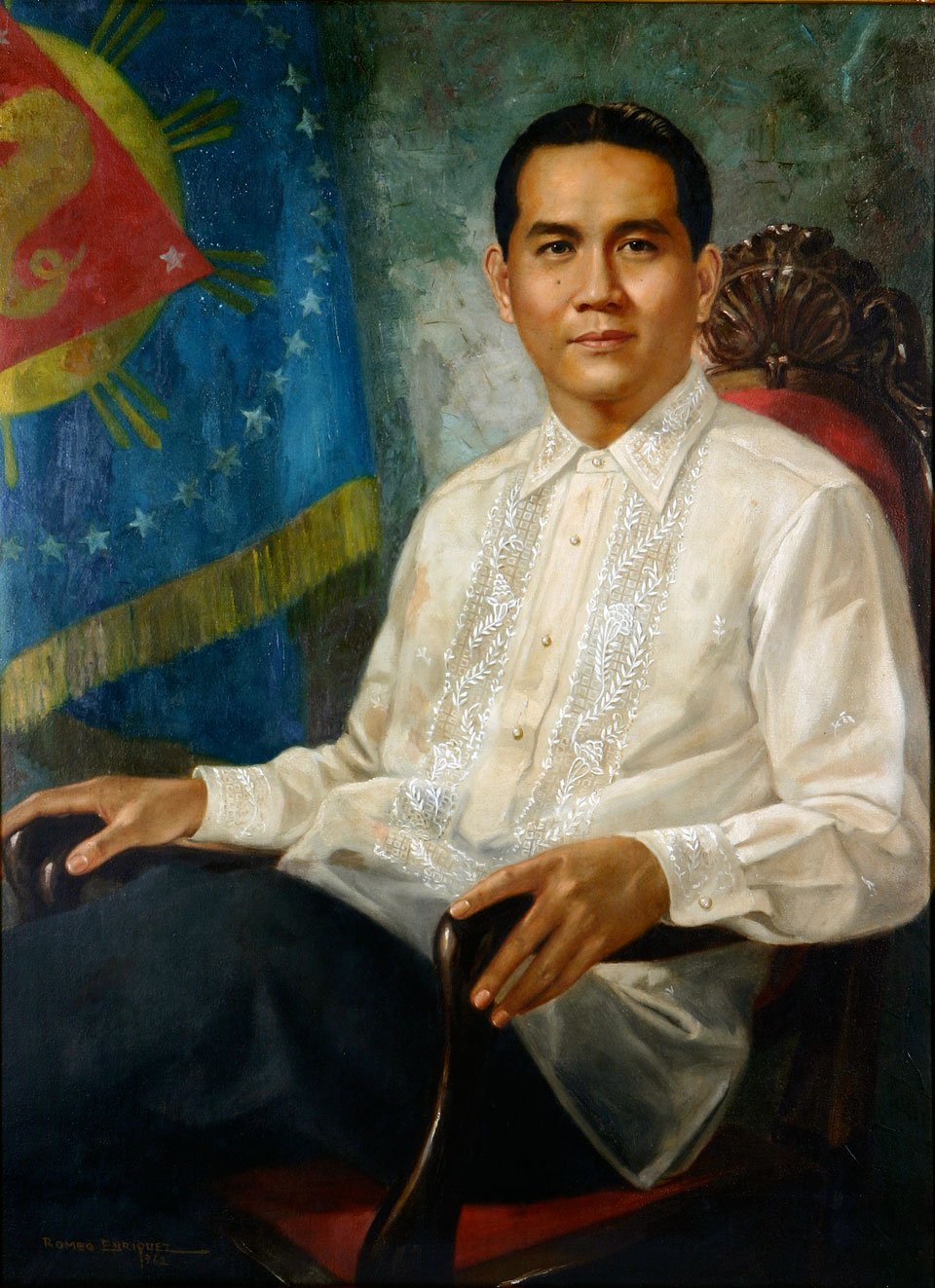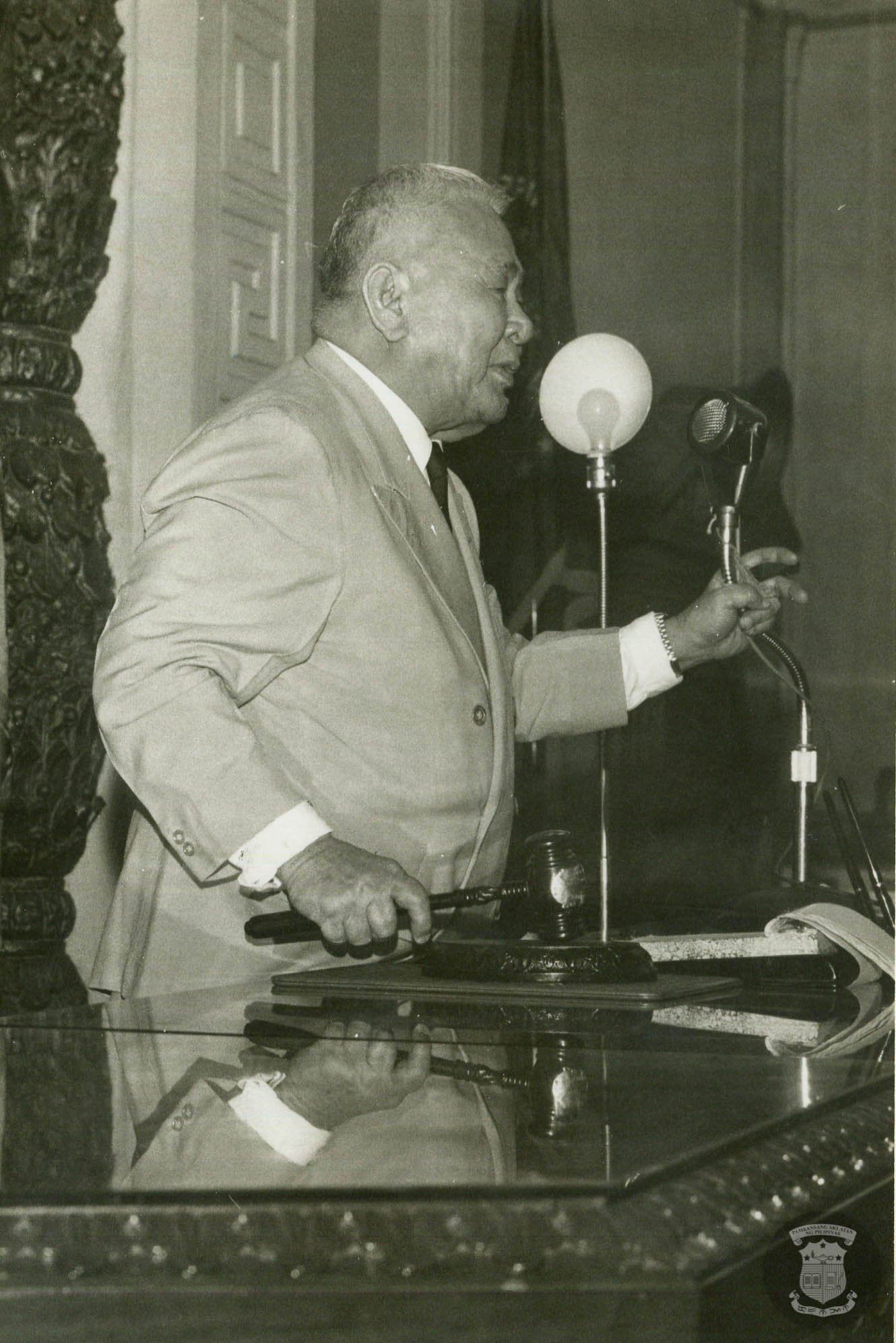

In this biography
Quick facts
- Born
- 11 September 1917
- Died
- 28 September 1989
- Birthplace
- Sarrat, Ilocos Norte, Philippines
- Country
- Philippines
- Nationality
- Filipino
- Known for
- Martial law, authoritarian rule and removal during the People Power Revolution
- Office
- President, 1965–1986
- Martial law declared
- September 1972
- Political party
- Nacionalista Party and Kilusang Bagong Lipunan
- Removed from power
- 25 February 1986
Why this life matters
The Marcos period remains central to Philippine debates over dictatorship, human-rights violations, corruption, debt, memory and democratic accountability.
Timeline
Key moments
Born in Ilocos Norte
Born in Sarrat on 11 September.
Elected president
Defeated incumbent Diosdado Macapagal.
Imposed martial law
Used Proclamation No. 1081 to concentrate authority and suppress opposition.
Aquino assassination deepened crisis
The killing of opposition leader Benigno Aquino Jr. intensified public resistance.
Removed by People Power
Left the Philippines after a disputed election and mass mobilisation.
From elected president to authoritarian rule
Marcos served in the House and Senate before winning the presidency in 1965. Infrastructure projects and a strong executive image supported his early popularity, but borrowing, patronage and political conflict increasingly marked his second term.
In 1972 he imposed martial law. Congress was closed, media organisations were taken over and opponents were detained. State records and survivor testimony document torture, killings, disappearances and other abuses during the dictatorship.
Economic crisis, resistance and removal
Marcos governed through decrees and a network of political and business allies. The concentration of wealth and power around the ruling family accompanied rising foreign debt and a severe economic crisis in the 1980s.
After Benigno Aquino Jr. was assassinated in 1983, opposition widened. A disputed 1986 election triggered military defections and mass civilian protest along EDSA. Marcos fled to Hawaii, where he died in 1989; efforts to recover ill-gotten assets and recognise victims continued long afterward.
Quick answers
Frequently asked questions about Ferdinand Marcos
- Who was Ferdinand Marcos?
- Ferdinand Marcos was a president of the Philippines, 1965–1986. The Marcos period remains central to Philippine debates over dictatorship, human-rights violations, corruption, debt, memory and democratic accountability.
- What is Ferdinand Marcos best known for?
- Ferdinand Marcos is best known for martial law, authoritarian rule and removal during the People Power Revolution.
- When and where was Ferdinand Marcos born?
- Ferdinand Marcos was born on 11 September 1917 in Sarrat, Ilocos Norte, Philippines.
- When did Ferdinand Marcos die?
- Ferdinand Marcos died on 28 September 1989.
Sources and further reading
How this biography was checked
Core dates and offices are checked against the sources below. This profile was last reviewed on 8 September 2026.