In this biography
Quick facts
- Born
- 11 November 1942
- Birthplace
- Manila, Philippines
- Country
- Philippines
- Nationality
- Filipino
- Known for
- Building a long Makati mayoralty into a narrow 2010 vice-presidential victory and a national opposition movement
- Profession
- Lawyer and local executive
- Makati mayor
- 1986–1998 and 2001–2010
- Vice president
- 2010–2016
- 2010 winning margin
- 727,084 votes
Why this life matters
Binay’s career connects anti-dictatorship lawyering, locally delivered social programmes, family-based political organisation and the opportunities and limits of the vice presidency.
Timeline
Key moments
Defended rights under martial law
Worked with MABINI and other legal networks assisting political detainees and opponents of authoritarian rule.
Appointed officer-in-charge of Makati
Joined local government after the People Power transition and built a durable citywide political base.
Won repeated mayoral elections
Led Makati for multiple terms, separated by term limits, while expanding resident social programmes.
Won the vice presidency
Defeated Mar Roxas by 727,084 votes in the country’s first nationwide automated election.
Led housing policy
Served concurrently as chair of the Housing and Urban Development Coordinating Council before leaving the cabinet.
Ran for president
Campaigned on executive experience and social services but finished fourth in the official canvass.
Human-rights law and the post-EDSA mayoralty
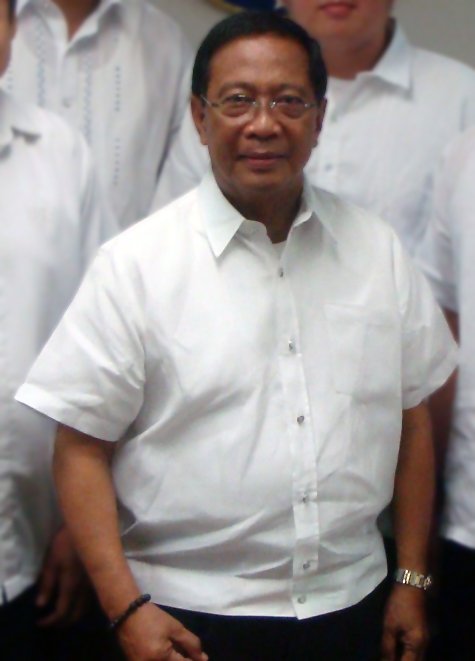
Jejomar Binay studied political science and law at the University of the Philippines. During the Marcos dictatorship he worked with the Movement of Attorneys for Brotherhood, Integrity and Nationalism, a network that defended political detainees and challenged rights abuses.
After People Power, Corazon Aquino appointed him officer-in-charge of Makati. Elections turned that transitional appointment into a long mayoralty and one of the country’s strongest local political organisations.
The Makati model and family-based power
Binay used Makati’s unusually large revenue base to provide benefits for residents, including assistance for health, education and burial expenses. Supporters presented these programmes as responsive local government that could be expanded nationally.
His family’s succession across city and national offices also made Makati a prominent example of dynastic politics. The same organisation that sustained welfare delivery concentrated electoral power, a tension central to evaluating local governance in the Philippines.
A narrow vice-presidential win and an unsuccessful presidential bid
In 2010 Binay overtook early expectations and defeated Mar Roxas by 727,084 votes. Roxas challenged the result, but the Presidential Electoral Tribunal dismissed the protest after the term expired, leaving Binay’s proclamation undisturbed.
Binay initially joined the Aquino cabinet as housing chair before becoming an opposition leader. Investigations and allegations damaged his standing ahead of the 2016 presidential election, but allegations are not convictions; the official electoral fact is that he finished fourth as Rodrigo Duterte won a broad plurality.
Quick answers
Frequently asked questions about Jejomar Binay
- Who is Jejomar Binay?
- Jejomar Binay is a human-rights lawyer, Makati mayor and vice president. Binay’s career connects anti-dictatorship lawyering, locally delivered social programmes, family-based political organisation and the opportunities and limits of the vice presidency.
- What is Jejomar Binay best known for?
- Jejomar Binay is best known for building a long Makati mayoralty into a narrow 2010 vice-presidential victory and a national opposition movement.
- When and where was Jejomar Binay born?
- Jejomar Binay was born on 11 November 1942 in Manila, Philippines.
Sources and further reading
How this biography was checked
Core dates and offices are checked against the sources below. This profile was last reviewed on 9 September 2026.
- Presidential Electoral Tribunal via LawPhilRoxas v. Binay — 2010 vice-presidential election protest
- Supreme Court of the Philippines via LawPhilMunicipality of Makati v. Court of Appeals — burial assistance programme
- Senate of the PhilippinesSenate resolution honouring MABINI founder Rene Saguisag
- Congress of the Philippines via Senate archive2016 joint congressional canvass and proclamation
- Wikimedia CommonsPortrait and licence record