In this biography
Quick facts
- Born
- 19 February 1886
- Died
- May 1942
- Birthplace
- San Fernando, Pampanga, Philippines
- Country
- Philippines
- Nationality
- Filipino
- Known for
- Refusing to cooperate with Japanese forces while holding delegated presidential authority
- Highest judicial office
- Chief justice
- Wartime authority
- Delegated presidential powers
- Captured
- Carcar, Cebu, 11 April 1942
- Executed
- Malabang, Lanao, May 1942
Why this life matters
Abad Santos made constitutional duty a wartime act of resistance, linking the judiciary, the Commonwealth state and personal refusal under captivity.
Timeline
Key moments
Born in San Fernando
Born in Pampanga on 19 February.
Studied law in the United States
Completed legal study as a Philippine government pensionado.
Served in justice leadership
Held repeated terms as justice secretary before becoming chief justice.
Received emergency authority
Manuel Quezon left him with broad Commonwealth powers as the government withdrew.
Executed after refusing cooperation
Japanese forces killed him in Malabang after he rejected service to the occupation.
A jurist inside the independence project
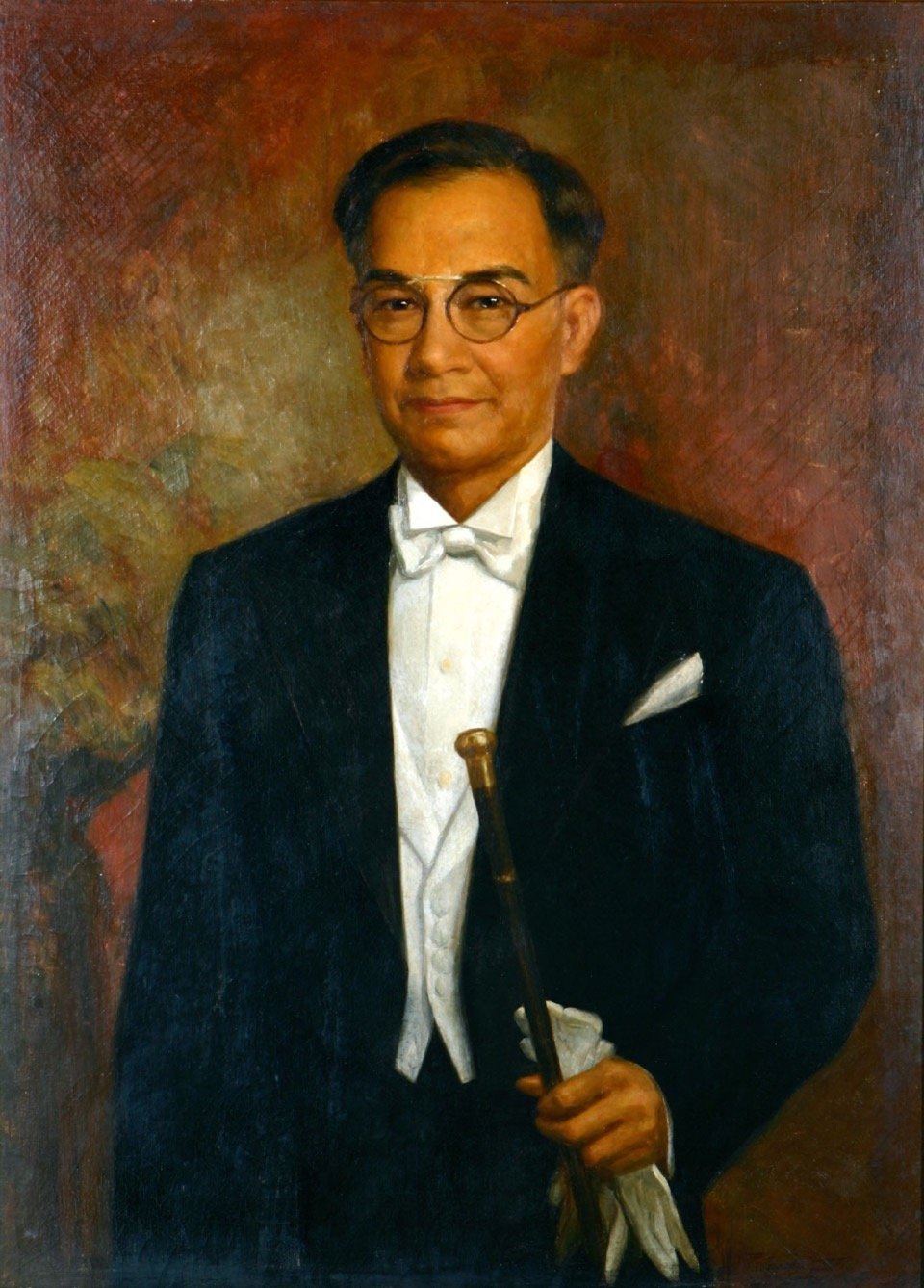
José Abad Santos studied law in the United States as a government pensionado and returned to a public service career that joined legal administration to the campaign for Philippine self-government. He advised the first independence mission to Washington in 1919 and served several terms as secretary of justice.
His later appointment to the Supreme Court and elevation to chief justice placed him at the centre of the Commonwealth’s constitutional order. By December 1941, as invasion disrupted ordinary government, he was also handling major economic departments.
Emergency government during invasion
When President Manuel Quezon and Vice President Sergio Osmeña left the Philippines, Abad Santos remained behind with delegated authority to act for the Commonwealth. That assignment was practical as well as symbolic: a constitutional government was trying to preserve continuity while territory and communications collapsed.
Japanese forces captured Abad Santos and his son Pepito at Carcar, Cebu, on 11 April 1942. Captivity turned his public office into a direct test of whether he would lend legal and political legitimacy to the occupation.
Refusal, execution and careful chronology
Abad Santos refused to cooperate and was executed at Malabang in May 1942. Two National Historical Commission markers give different dates—1 and 2 May—so this biography retains the securely documented month instead of presenting disputed precision as certainty.
His legacy rests less on a battlefield command than on refusal under coercion. He represents a form of resistance grounded in constitutional responsibility, and his death became part of Philippine memory of civilian leadership during occupation.
Quick answers
Frequently asked questions about José Abad Santos
- Who was José Abad Santos?
- José Abad Santos was a chief justice and wartime head of the Commonwealth government. Abad Santos made constitutional duty a wartime act of resistance, linking the judiciary, the Commonwealth state and personal refusal under captivity.
- What is José Abad Santos best known for?
- José Abad Santos is best known for refusing to cooperate with Japanese forces while holding delegated presidential authority.
- When and where was José Abad Santos born?
- José Abad Santos was born on 19 February 1886 in San Fernando, Pampanga, Philippines.
- When did José Abad Santos die?
- José Abad Santos died on May 1942.
Sources and further reading
How this biography was checked
Core dates and offices are checked against the sources below. This profile was last reviewed on 9 September 2026.