In this biography
Quick facts
- Born
- 18 March 1928
- Died
- 31 July 2022
- Birthplace
- Lingayen, Pangasinan, Philippines
- Country
- Philippines
- Nationality
- Filipino
- Known for
- Breaking with Marcos during People Power and leading economic and peace reforms as president
- Office
- President, 1992–1998
- Military role in 1986
- Armed forces vice chief of staff
- Earlier command
- Chief of the Philippine Constabulary
- Major peace agreement
- 1996 accord with the MNLF
Why this life matters
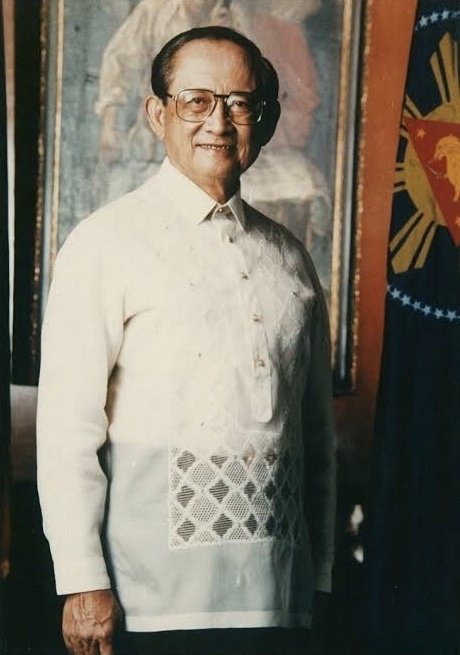
Ramos connected the coercive institutions of the martial-law state to the military breakaway that helped end it, then used coalition-building to stabilise a fragile post-authoritarian democracy.
Timeline
Key moments
Born in Lingayen
Born in Pangasinan on 18 March.
Graduated from West Point
Began a long military career that included service in Korea and Vietnam.
Led the constabulary
Commanded the Philippine Constabulary during the martial-law era.
Withdrew support from Marcos
Joined Juan Ponce Enrile at Camp Crame and became a central figure in the EDSA uprising.
Elected president
Succeeded Corazon Aquino after serving as armed forces chief and defence secretary.
Signed an MNLF peace agreement
The government reached a settlement with the Moro National Liberation Front.
A military career on both sides of 1986
Ramos trained at the United States Military Academy and served in the Korean War and in a Philippine civic-action mission in Vietnam. Under Marcos he rose through senior command and led the Philippine Constabulary, an institution implicated in enforcing martial-law rule.
In February 1986, Ramos and Defence Minister Juan Ponce Enrile withdrew support from Marcos. Ramos’s public defection, the movement of forces to Camp Crame and the civilian crowds that protected the camps changed the military balance during People Power.
Coalition government, reform and peace
Aquino appointed Ramos armed forces chief and later defence secretary. He won the 1992 presidential election with a plurality and built congressional coalitions around economic liberalisation, responses to the power crisis and a programme branded “Philippines 2000”.
His government reached the 1996 peace agreement with the MNLF and experienced stronger economic growth before the Asian financial crisis. Supporters credit stability and institutional reform; critics point to privatisation costs and the unresolved accountability of security institutions he had once commanded.
Quick answers
Frequently asked questions about Fidel V. Ramos
- Who was Fidel V. Ramos?
- Fidel V. Ramos was a president of the Philippines, 1992–1998. Ramos connected the coercive institutions of the martial-law state to the military breakaway that helped end it, then used coalition-building to stabilise a fragile post-authoritarian democracy.
- What is Fidel V. Ramos best known for?
- Fidel V. Ramos is best known for breaking with Marcos during People Power and leading economic and peace reforms as president.
- When and where was Fidel V. Ramos born?
- Fidel V. Ramos was born on 18 March 1928 in Lingayen, Pangasinan, Philippines.
- When did Fidel V. Ramos die?
- Fidel V. Ramos died on 31 July 2022.
Sources and further reading
How this biography was checked
Core dates and offices are checked against the sources below. This profile was last reviewed on 8 September 2026.