In this biography
Quick facts
- Born
- 3 September 1894
- Died
- 20 December 1947
- Birthplace
- Murcia, Tarlac, Philippines
- Country
- Philippines
- Nationality
- Filipino
- Known for
- Leading the National Assembly of the Japanese-sponsored Second Philippine Republic
- Occupation-era speaker
- National Assembly of the Second Republic, 1943–1944
- Senate service
- 1928–1934
- Cabinet service
- Appointed secretary of agriculture and commerce in 1938
- Family
- Father of Benigno “Ninoy” Aquino Jr.
Why this life matters
Aquino’s career connects prewar elite politics, collaboration under occupation and the postwar reckoning, while also beginning a family line central to later democratic opposition.
Timeline
Key moments
Entered the House
Won the first of successive terms representing Tarlac’s second district.
Served in the Senate
Represented the third senatorial district before the Commonwealth reorganised the legislature.
Led the agriculture portfolio
Joined Manuel Quezon’s cabinet after returning to the National Assembly.
Led KALIBAPI
Became director-general of the single political organisation permitted by the Japanese occupation authorities.
Became assembly speaker
Led the legislature of the Japanese-sponsored Second Philippine Republic.
Faced prosecution after the war
Faced a treason charge before the People’s Court; a 1947 Supreme Court proceeding addressed the impartiality of a judge, not Aquino’s guilt.
Died before the treason case was resolved
His death left the pending criminal case without a final determination of guilt.
A Tarlac lawyer in three prewar legislatures
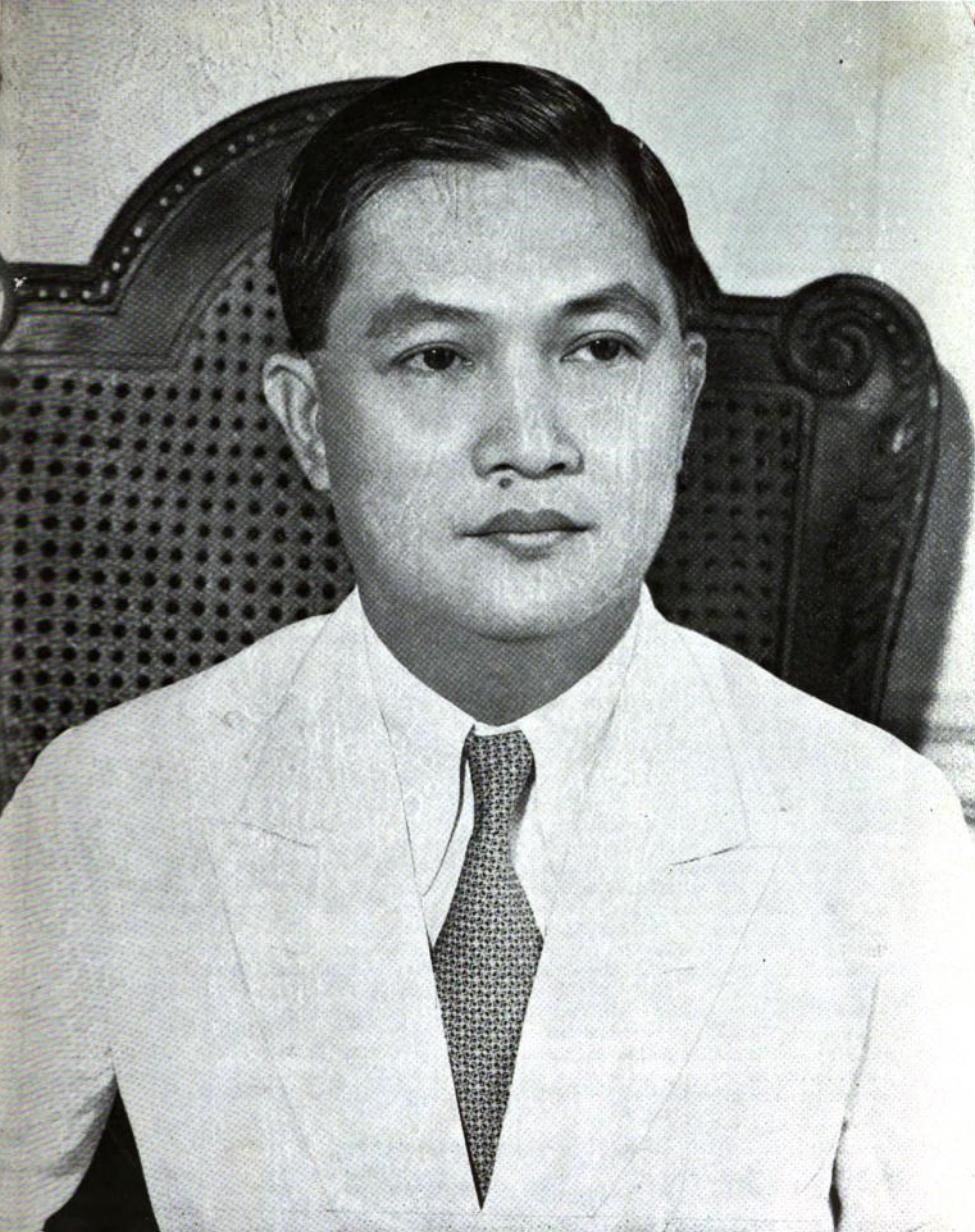
Benigno Aquino Sr., also known as Igno, was born in Murcia, Tarlac, on 3 September 1894. He studied law, graduated in 1913 and passed the bar the following year. His Senate profile records service as Tarlac’s second-district representative from 1919 to 1928, followed by a Senate term from 1928 to 1934.
He then served in the Commonwealth National Assembly from 1935 to 1938. These were not interchangeable offices: the Commonwealth’s initially unicameral assembly replaced the earlier two-chamber legislature. By moving through the House, Senate and assembly, Aquino accumulated experience across the institutions through which prewar national politics was reorganised.
Agriculture and commerce under Manuel Quezon
President Manuel Quezon appointed Aquino secretary of agriculture and commerce in 1938. The appointment moved him from legislative representation into responsibility for an executive department. The Senate’s account also records the donation of his cabinet salary to charitable institutions, including Hospicio de San Jose.
Sources differ on the endpoint of his cabinet service: the Senate narrative states that he resigned in 1941, while VERA Files’ office chronology ends the tenure in 1940. The appointment year is clear; this profile does not force the conflicting endpoints into a falsely precise term. His Commonwealth cabinet work should also be distinguished from the positions he later accepted during Japanese occupation.
KALIBAPI and the occupation-era assembly
During Japanese occupation, Aquino became director-general of KALIBAPI, the political organisation created within the occupation order, and speaker of the National Assembly of the Japanese-sponsored Second Philippine Republic. Describing this simply as another prewar parliamentary appointment would conceal the change in regime and the occupying power behind it.
The 1943 Constitution provided for an assembly combining provincial governors and city mayors with elected provincial and city delegates. It authorised that assembly to choose its speaker and to elect the president. Aquino held the legislative chair; José P. Laurel held the presidency. Aquino Sr. was therefore not president of the Philippines, a distinction sometimes lost when his name is confused with his grandson’s.
The treason prosecution and what the court record proves
After the war, Aquino faced treason proceedings before the People’s Court. The Supreme Court record in People v. Lopez, dated 14 April 1947, identifies his pending prosecution as criminal case No. 3527. Prosecutors sought to disqualify Judge Eusebio Lopez because of statements they considered evidence of bias in favour of political collaborators.
That proceeding concerned a judge’s participation, not a verdict convicting Aquino. VERA Files’ historical fact-check, drawing on Nick Joaquin’s The Aquinos of Tarlac, records his not-guilty plea and release on bail in 1946. He died on 20 December 1947 while the case remained unresolved. Neither the charge nor the procedural ruling should be rewritten as a treason conviction or death sentence.
Aquino Sr., Ninoy and the later family legacy
Benigno Sr. was the father of Benigno “Ninoy” Aquino Jr., the senator and opposition leader assassinated in 1983, and the grandfather of President Benigno Aquino III. The National Historical Commission’s family-house and Ninoy markers distinguish these generations and their different public roles.
The family relationship does not erase the elder Aquino’s occupation-era service. Nor does that service by itself explain the political choices of his descendants. His biography belongs to the history of Commonwealth leadership, Japanese-sponsored institutions and the postwar collaboration controversy; Ninoy’s belongs to a later confrontation with Ferdinand Marcos. Keeping the three Benignos separate is essential to understanding both histories.
Quick answers
Frequently asked questions about Benigno Aquino Sr.
- Was Benigno Aquino Sr. a president of the Philippines?
- No. He was a prewar legislator and cabinet secretary, then speaker of the National Assembly of the Japanese-sponsored Second Republic. José P. Laurel was that republic’s president. Aquino Sr.’s grandson, Benigno Aquino III, became president in 2010.
- Was Benigno Aquino Sr. the same person as Ninoy Aquino?
- No. Benigno Sr. lived from 1894 to 1947 and was Ninoy’s father. Benigno “Ninoy” Aquino Jr. lived from 1932 to 1983 and became a senator and prominent opponent of Ferdinand Marcos.
- Was Aquino Sr. convicted of treason?
- He was charged with treason after the war but died in December 1947 before the case was resolved. The April 1947 Supreme Court proceeding concerned a judge’s impartiality, not a conviction or a death sentence against Aquino.
- What was Aquino Sr.’s role in KALIBAPI?
- He was its director-general during Japanese occupation. KALIBAPI was the occupation-era political organisation; his role must be understood within the Japanese-sponsored political order rather than as ordinary Commonwealth party leadership.
Keep exploring
Lives connected to this story
- Manuel L. Quezon
Read about the Commonwealth president who appointed Aquino to the agriculture and commerce portfolio.
- José P. Laurel
Distinguish the president of the Japanese-sponsored Second Republic from Aquino’s legislative speakership.
- Benigno Aquino Jr.
Follow the separate career of Aquino Sr.’s son Ninoy, whose opposition to Marcos arose in a different political era.
- Benigno Aquino III
Identify Aquino Sr.’s grandson, the Benigno Aquino who actually became president in 2010.
Sources and further reading
Explore the evidence
These references support the biography and offer further reading. Official records, first-person accounts and independent reporting provide different perspectives; image records document attribution and licensing.
- 1. Senate of the PhilippinesBenigno Q. Aquino — former senator
The legacy URL and heading incorrectly say Jr.; the body identifies Benigno Q. Aquino, born in 1894, and describes Sr.’s prewar career. It is not treated as Ninoy’s biography. Its cabinet endpoint differs from VERA Files, so only the verified appointment year is used in the facts and timeline.
- 2. House of Representatives of the PhilippinesRoster of Philippine legislators, 1907–2019
- 3. VERA FilesBenigno Aquino Sr. — office chronology
This office chronology and the older Senate narrative conflict on the cabinet endpoint. Occupation-era speakership is retained at year-level precision, without asserting disputed day-level dates.
- 4. The LawPhil ProjectConstitution of the Japanese-sponsored Second Republic, 1943
Articles II and III distinguish president, assembly composition and speaker. The constitution describes the sponsored regime’s formal institutions; it does not establish that Japanese occupation allowed free democratic competition.
- 5. Supreme Court of the Philippines / The LawPhil ProjectPeople v. Lopez — pending treason cases and judicial disqualification, 1947
The primary proceeding documents Aquino’s pending treason case and a judicial-disqualification dispute. It is not a final ruling on his guilt; passages about other accused persons must not be attributed to him.
- 6. VERA FilesFact-check: distorted claims about the Aquino family
The 2018 fact-check cites Nick Joaquin’s family history for the plea, bail and unresolved case at death. It explicitly rejects the claim of a treason conviction and death sentence. The underlying book was not independently inspected in this review.
- 7. National Historical Commission of the PhilippinesAng Tahanan ng Pamilyang Aquino — historical marker
- 8. National Historical Commission of the PhilippinesBenigno S. Aquino Jr. “Ninoy” — historical marker
- 9. Wikimedia CommonsPortrait and public-domain record