
In this biography
Quick facts
- Born
- 7 November 1914
- Died
- 28 October 1971
- Birthplace
- Bangued, Abra, Philippines
- Country
- Philippines
- Nationality
- Filipino
- Known for
- Flying against Japanese aircraft in 1941 and returning by submarine to organise an intelligence network inside the occupied Philippines
- Wartime unit
- 6th Pursuit Squadron
- Air-combat award
- Distinguished Service Cross
- Intelligence return
- 27 December 1942
- Philippine award
- Medal for Valor, 1954
Why this life matters
Villamor’s career joins air combat to the less visible communications work that helped Allied planners evaluate and support resistance before liberation.
Timeline
Key moments
Born in Bangued
Born in Abra on 7 November.
Led fighters over Batangas
Commanded Philippine Army Air Corps aircraft against a much larger Japanese formation.
Returned by submarine
Entered the occupied Philippines aboard USS Gudgeon for an Allied Intelligence Bureau mission.
Built a communications network
Established intelligence and radio links between guerrilla groups and Allied headquarters in Australia.
Received the Medal for Valor
The Philippines recognised his clandestine mission with its highest military decoration.
Died in the United States
Died on 28 October at the age of 56.
A small air force faces invasion
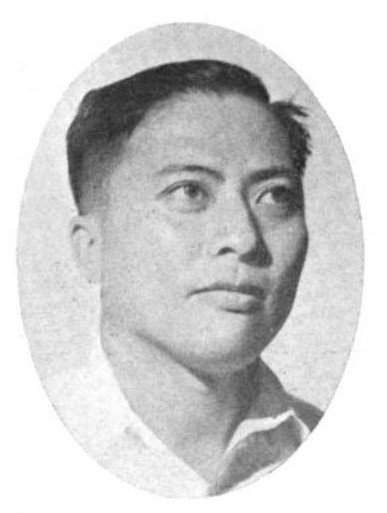
Jesús Antonio Villamor trained as a pilot and became commander of the Philippine Army Air Corps’ 6th Pursuit Squadron. When Japan attacked in December 1941, its modern aircraft, numbers and operational experience far exceeded those available to the Philippine unit.
On 10 December Villamor led a small flight into combat over Batangas. The official award record credits his leadership and heroism against a numerically superior force. He received the U.S. Distinguished Service Cross for this action and another award for subsequent combat.
The return came by submarine before the landing
After the fall of Bataan and Corregidor, Allied headquarters received messages from scattered guerrillas but could not easily verify their origin or military value. Villamor volunteered to return. USS Gudgeon carried his Allied Intelligence Bureau party into the Philippines on 27 December 1942.
The mission established contacts, radio stations and reporting routes that connected resistance groups to Australia. Intelligence did not make every guerrilla claim reliable or every organisation unified, but it gave planners a stronger picture of conditions inside the archipelago.
How Villamor is remembered
The Philippine government awarded Villamor the Medal for Valor in 1954 for extraordinary heroism during the 1942–1943 intelligence mission. The surviving citation distinguishes the covert work from his earlier air-combat record and makes both phases of service visible.
He later worked in civil aviation and died in 1971. Nichols Air Base was renamed Colonel Jesús Villamor Air Base in 1982, placing his name at the headquarters of the Philippine Air Force.
Quick answers
Frequently asked questions about Jesús Villamor
- Who was Jesús Villamor?
- Jesús Villamor was a fighter pilot and Allied intelligence officer. Villamor’s career joins air combat to the less visible communications work that helped Allied planners evaluate and support resistance before liberation.
- What is Jesús Villamor best known for?
- Jesús Villamor is best known for flying against Japanese aircraft in 1941 and returning by submarine to organise an intelligence network inside the occupied Philippines.
- When and where was Jesús Villamor born?
- Jesús Villamor was born on 7 November 1914 in Bangued, Abra, Philippines.
- When did Jesús Villamor die?
- Jesús Villamor died on 28 October 1971.
Sources and further reading
How this biography was checked
Core dates and offices are checked against the sources below. This profile was last reviewed on 9 September 2026.