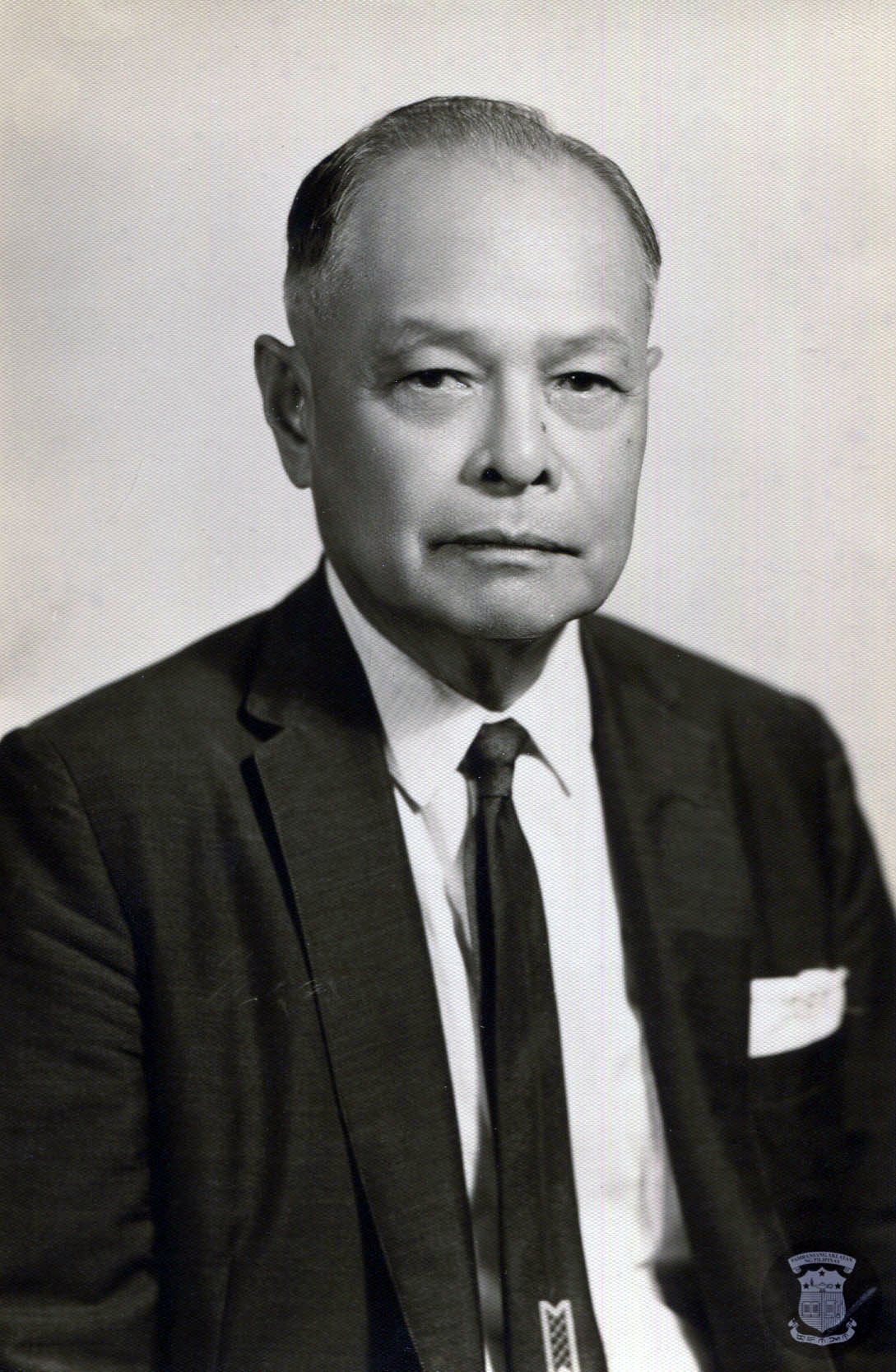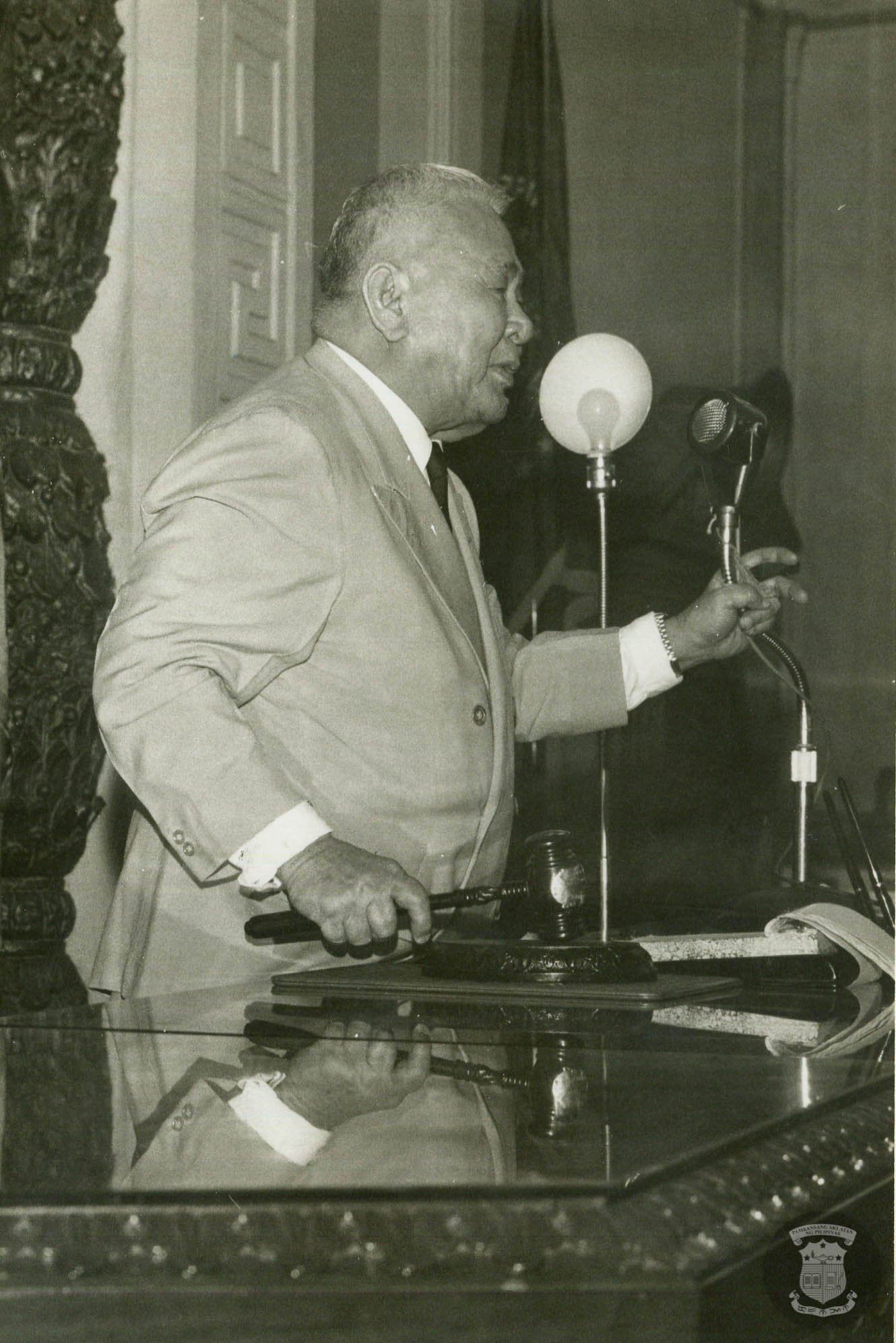

In this biography
Quick facts
- Born
- 9 September 1884
- Died
- 30 January 1973
- Birthplace
- Bangued, Abra, Philippines
- Country
- Philippines
- Nationality
- Filipino
- Known for
- A six-week Senate presidency during the rapid leadership changes of 1952
- Senate president
- 5 March–17 April 1952
- U.S. Congress
- Resident commissioner, 1935–1938
- Justice portfolio
- Secretary of justice, 1920–1921
- Legislative leadership
- Speaker of the House, 1933–1935
Why this life matters
Paredes held senior roles in every branch-facing part of national government and embodied the institutional continuity between colonial administration, Commonwealth politics and the republic.
Timeline
Key moments
Entered public legal service
Began a government career that included prosecution, the solicitor general’s office and the attorney generalship.
Served as justice secretary
Directed the justice portfolio before building a long legislative career.
Led the House
Served as speaker during the late American colonial legislature.
Represented the Commonwealth in Washington
Served as resident commissioner to the United States House of Representatives.
Became Senate president
Succeeded Mariano Cuenco during a fast-moving reorganisation of the Second Congress.
Yielded the chair
Camilo Osias replaced him after six weeks, reflecting another shift in the governing majority.
A legal career inside colonial government
Paredes earned a law degree in Manila and advanced through the public legal service. Work as solicitor general, attorney general and secretary of justice placed him at the centre of a government operating under American sovereignty but increasingly staffed and led by Filipinos.
He then entered the legislature, where he became House speaker. The range of posts gave him an unusually complete view of prosecution, executive administration and parliamentary negotiation.
Representation in Washington and wartime choices
As resident commissioner from 1935 to 1938, Paredes represented the Commonwealth in the U.S. House without a regular vote. His work coincided with the difficult transition timetable laid out for eventual Philippine independence.
Paredes continued in public office during the Japanese occupation, a period that requires attention to coercion, collaboration and the constrained choices of political elites. He was among the figures later able to resume a national career in the restored republic.
Six weeks at the head of the Senate
The Senate elected Paredes president on 5 March 1952 after Mariano Cuenco’s term ended. Camilo Osias replaced him on 17 April, making the presidency one of the briefest in the institution’s history.
That short tenure was only one part of a career spanning more than half a century. Paredes remained a senator until 1963 and is best understood as a bridge across several constitutional orders rather than solely as a temporary presiding officer.
Quick answers
Frequently asked questions about Quintin Paredes
- Who was Quintin Paredes?
- Quintin Paredes was a senate president, justice secretary and diplomat. Paredes held senior roles in every branch-facing part of national government and embodied the institutional continuity between colonial administration, Commonwealth politics and the republic.
- What is Quintin Paredes best known for?
- Quintin Paredes is best known for a six-week Senate presidency during the rapid leadership changes of 1952.
- When and where was Quintin Paredes born?
- Quintin Paredes was born on 9 September 1884 in Bangued, Abra, Philippines.
- When did Quintin Paredes die?
- Quintin Paredes died on 30 January 1973.
Sources and further reading
How this biography was checked
Core dates and offices are checked against the sources below. This profile was last reviewed on 9 September 2026.