
In this biography
Quick facts
- Born
- 5 August 1890
- Died
- 21 July 1986
- Birthplace
- Calbayog, Samar, Philippines
- Country
- Philippines
- Nationality
- Filipino
- Known for
- Leading the Senate from 1946 to 1949 and helping organise the Liberal Party
- Senate president
- 25 May 1946–21 February 1949
- Cabinet service
- Labour and Public Works portfolios
- Party role
- Founding president of the Liberal Party
- Presidential campaign
- Liberal Party faction candidate, 1949
Why this life matters
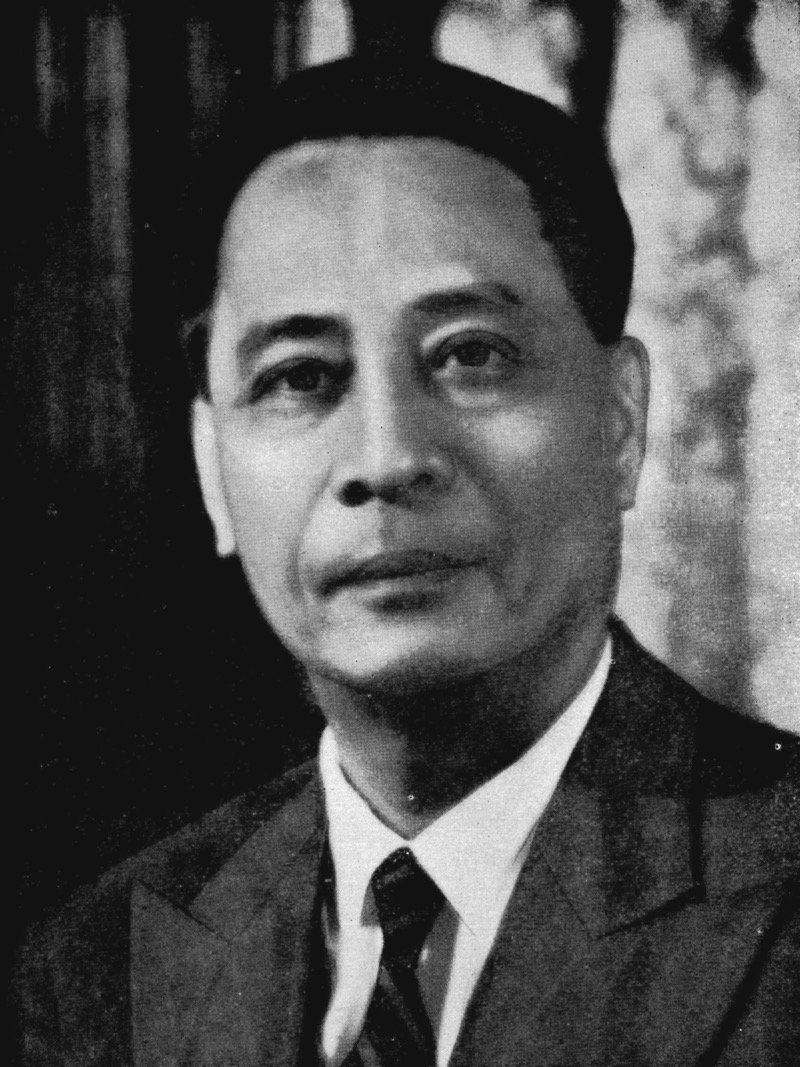
Avelino led the upper chamber during early postwar reconstruction, but the Liberal Party split that removed him also exposed how Senate leadership depends on shifting internal majorities.
Timeline
Key moments
Entered Calbayog government
Began his elected career as a municipal councilor before moving into national politics.
Won a House seat
Represented Samar in the lower chamber during the American colonial period.
Entered the Senate
Won election to the pre-Commonwealth Senate and built a national legislative profile.
Served in the Commonwealth cabinet
Held labour and public works responsibilities under President Manuel Quezon.
Became Senate president
Took the chair shortly before formal independence and became the first holder under the sovereign republic.
Lost the chair and sought the presidency
A Senate reorganisation replaced him with Mariano Cuenco; Avelino later led a breakaway Liberal faction in the national election.
From Samar law practice to national office
Avelino studied law in Manila and began public life in Calbayog. Municipal office led to the House, the colonial-era Senate and cabinet work in the early Commonwealth, giving him experience across local administration, legislation and the executive branch.
His labour portfolio placed him inside the government’s developing approach to wages, worker organisation and industrial disputes. Public works responsibilities then connected him to the infrastructure programme of a state preparing for independence.
First Senate president after independence
Avelino joined Manuel Roxas in forming the Liberal Party and was elected Senate president in May 1946. He presided during the transition from Commonwealth to republic, when legislators confronted war damage, economic dependence and the institutional demands of sovereignty.
His authority collapsed when a rival group aligned behind Mariano Cuenco in February 1949. The dispute reached the Supreme Court in Avelino v. Cuenco and became an enduring case study in quorum, legislative autonomy and the political basis of the Senate presidency.
The 1949 split and later legacy
Avelino challenged President Elpidio Quirino for the Liberal nomination and ultimately ran as the candidate of his own party faction. The division helped turn the 1949 election into a three-way contest and ended Avelino’s period at the centre of national power.
His career links colonial representative institutions, Commonwealth administration and the first years of independence. It also shows that the Senate president’s procedural authority remains inseparable from the coalition able to sustain it.
Quick answers
Frequently asked questions about Jose Avelino
- Who was Jose Avelino?
- Jose Avelino was a first Senate president of the independent Philippines. Avelino led the upper chamber during early postwar reconstruction, but the Liberal Party split that removed him also exposed how Senate leadership depends on shifting internal majorities.
- What is Jose Avelino best known for?
- Jose Avelino is best known for leading the Senate from 1946 to 1949 and helping organise the Liberal Party.
- When and where was Jose Avelino born?
- Jose Avelino was born on 5 August 1890 in Calbayog, Samar, Philippines.
- When did Jose Avelino die?
- Jose Avelino died on 21 July 1986.
Sources and further reading
How this biography was checked
Core dates and offices are checked against the sources below. This profile was last reviewed on 9 September 2026.