In this biography
Quick facts
- Born
- 9 September 1878
- Died
- 19 October 1961
- Birthplace
- Cebu City, Cebu, Philippines
- Country
- Philippines
- Nationality
- Filipino
- Known for
- Leading the Commonwealth government through liberation and the return to Manila
- Office
- President of the Commonwealth, 1944–1946
- Earlier role
- Speaker of the Philippine Assembly
- Party
- Co-founder of the Nacionalista Party
- Wartime milestone
- Returned to Leyte with Allied forces, October 1944
Why this life matters
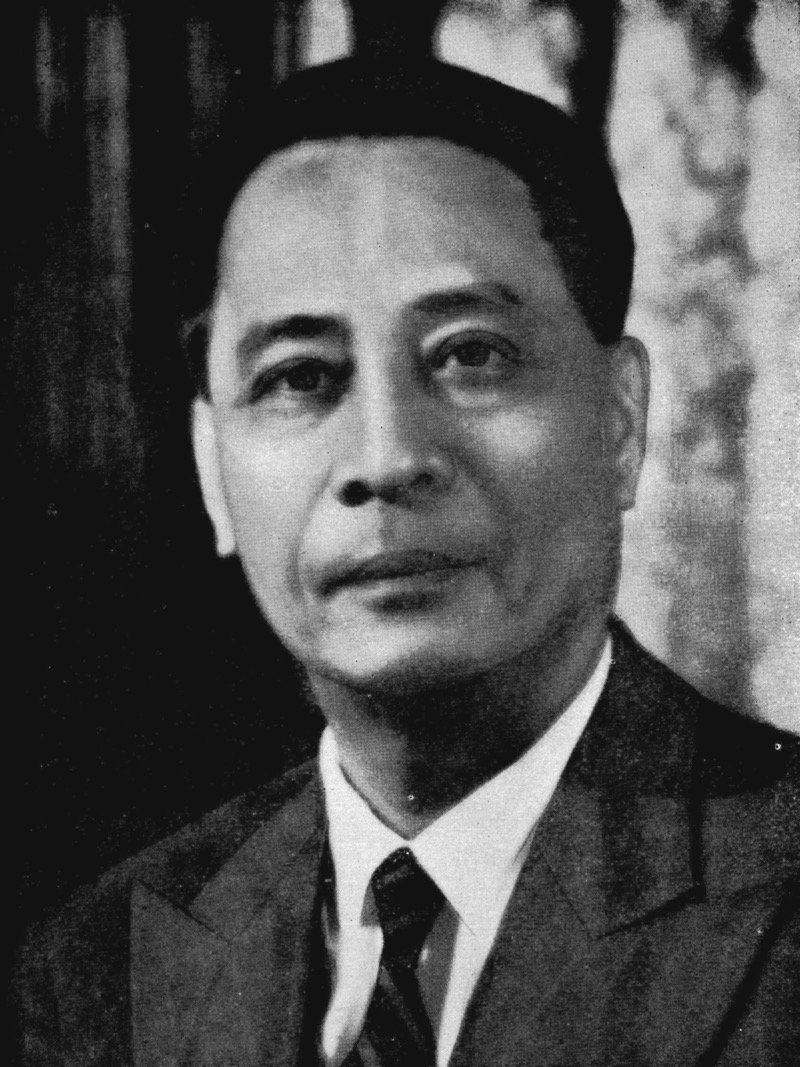
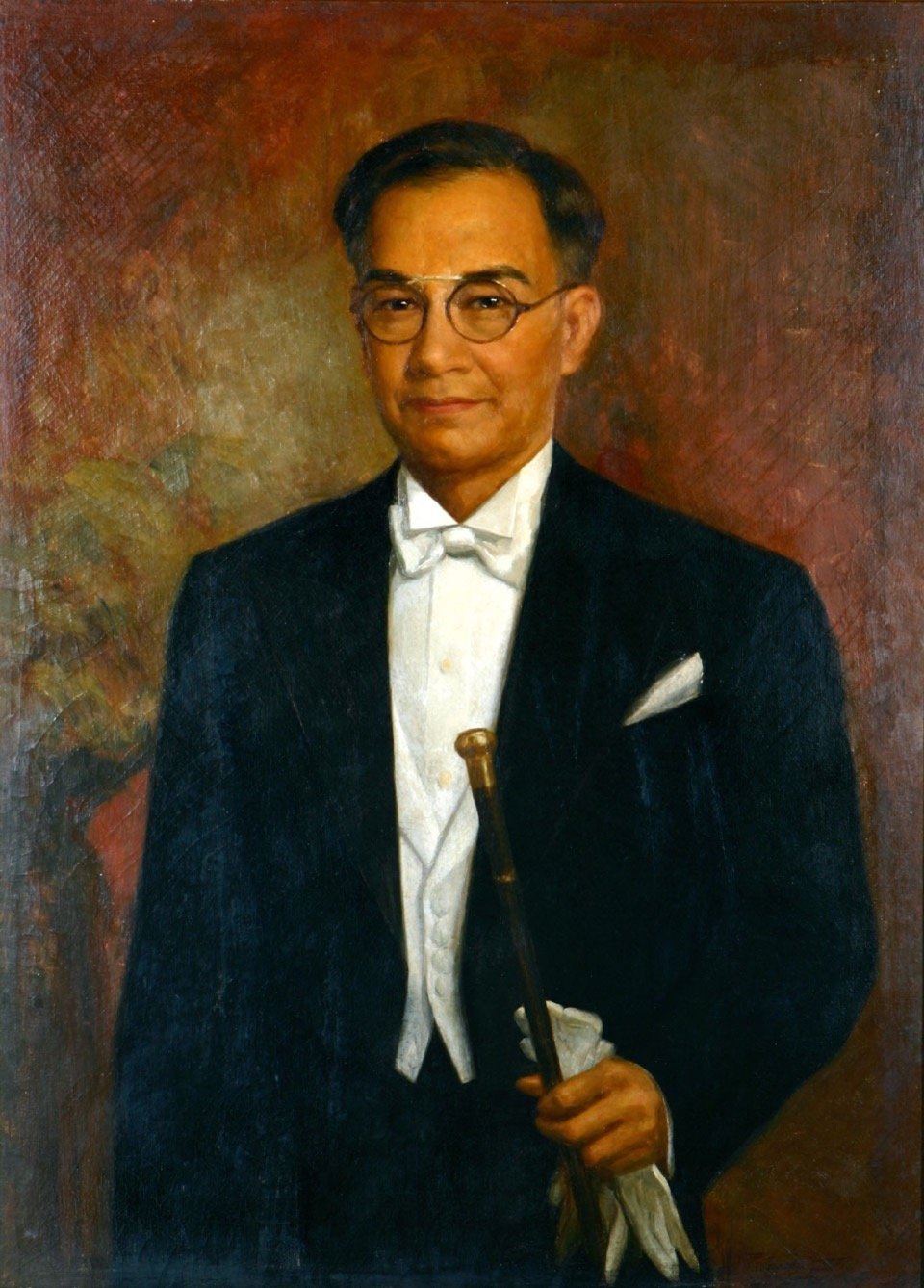
Osmeña connected early representative government, the independence campaign and the difficult restoration of civil administration after Japanese occupation.
Timeline
Key moments
Born in Cebu
Born in Cebu City on 9 September.
Became assembly speaker
Won a seat in the first Philippine Assembly and became its inaugural speaker.
Led an independence mission
Helped secure the Hare–Hawes–Cutting Act, later rejected by the Philippine legislature.
Elected vice president
Began serving with Commonwealth president Manuel L. Quezon.
Succeeded Quezon
Became president after Quezon died while the government was in exile.
Returned at Leyte
Landed with General Douglas MacArthur as Allied forces began liberation.
Lost the postwar election
Manuel Roxas defeated him in the final Commonwealth presidential election.
Building representative government
Osmeña worked in journalism and provincial government before election to the first Philippine Assembly in 1907. As its inaugural speaker and a founder of the Nacionalista Party, he helped build the institutions through which Filipino leaders pressed for greater self-government.
His rivalry and partnership with Manuel L. Quezon shaped the independence campaign. Osmeña led the mission that secured the Hare–Hawes–Cutting Act, but the legislature rejected it; the similar Tydings–McDuffie Act later created the Commonwealth. He was elected vice president in 1935 and again in 1941.
Succession, liberation and transition
Osmeña became president on 1 August 1944 after Quezon died in the United States. He returned to the Philippines with Allied forces at Leyte in October and oversaw the re-establishment of Commonwealth authority as the occupation ended.
The administration faced destroyed infrastructure, displacement, food shortages and the politically divisive question of collaboration. Osmeña sought election in 1946 but lost to Manuel Roxas. His long career is remembered less for personal spectacle than for continuity across assembly government, Commonwealth exile and national reconstruction.
Quick answers
Frequently asked questions about Sergio Osmeña
- Who was Sergio Osmeña?
- Sergio Osmeña was a president of the Commonwealth of the Philippines. Osmeña connected early representative government, the independence campaign and the difficult restoration of civil administration after Japanese occupation.
- What is Sergio Osmeña best known for?
- Sergio Osmeña is best known for leading the Commonwealth government through liberation and the return to Manila.
- When and where was Sergio Osmeña born?
- Sergio Osmeña was born on 9 September 1878 in Cebu City, Cebu, Philippines.
- When did Sergio Osmeña die?
- Sergio Osmeña died on 19 October 1961.
Sources and further reading
How this biography was checked
Core dates and offices are checked against the sources below. This profile was last reviewed on 8 September 2026.