In this biography
Quick facts
- Born
- 21 January 1883
- Died
- 9 December 1964
- Birthplace
- Montalban, Rizal, Philippines
- Country
- Philippines
- Nationality
- Filipino
- Known for
- Leading the Senate across two periods between 1952 and 1963
- Senate president
- 1952–1953 and 1953–1963, with an interruption in 1953
- Local government
- Montalban president, Rizal governor and Manila mayor
- Party leadership
- President of the Nacionalista Party
- Namesake municipality
- Montalban was renamed Rodriguez under B.P. Blg. 275 in 1982
Why this life matters
Rodriguez was the longest-serving Senate president of the postwar chamber before martial law and a central organiser of the Nacionalista Party’s legislative power.
Timeline
Key moments
Led Montalban
Served as municipal president of his Rizal hometown for a decade.
Became governor of Rizal
Held the provincial governorship in two separate periods.
Served as mayor of Manila
Led the capital in two nonconsecutive periods before the Pacific War.
First elected Senate president
Replaced Camilo Osias during the Second Congress leadership struggle.
Returned to the chair
Succeeded Jose Zulueta and began a presidency lasting more than nine years.
Marcos replaced him
A new Senate majority elected Ferdinand Marcos, ending Rodriguez’s long control of the chamber.
Local executive and provincial organiser
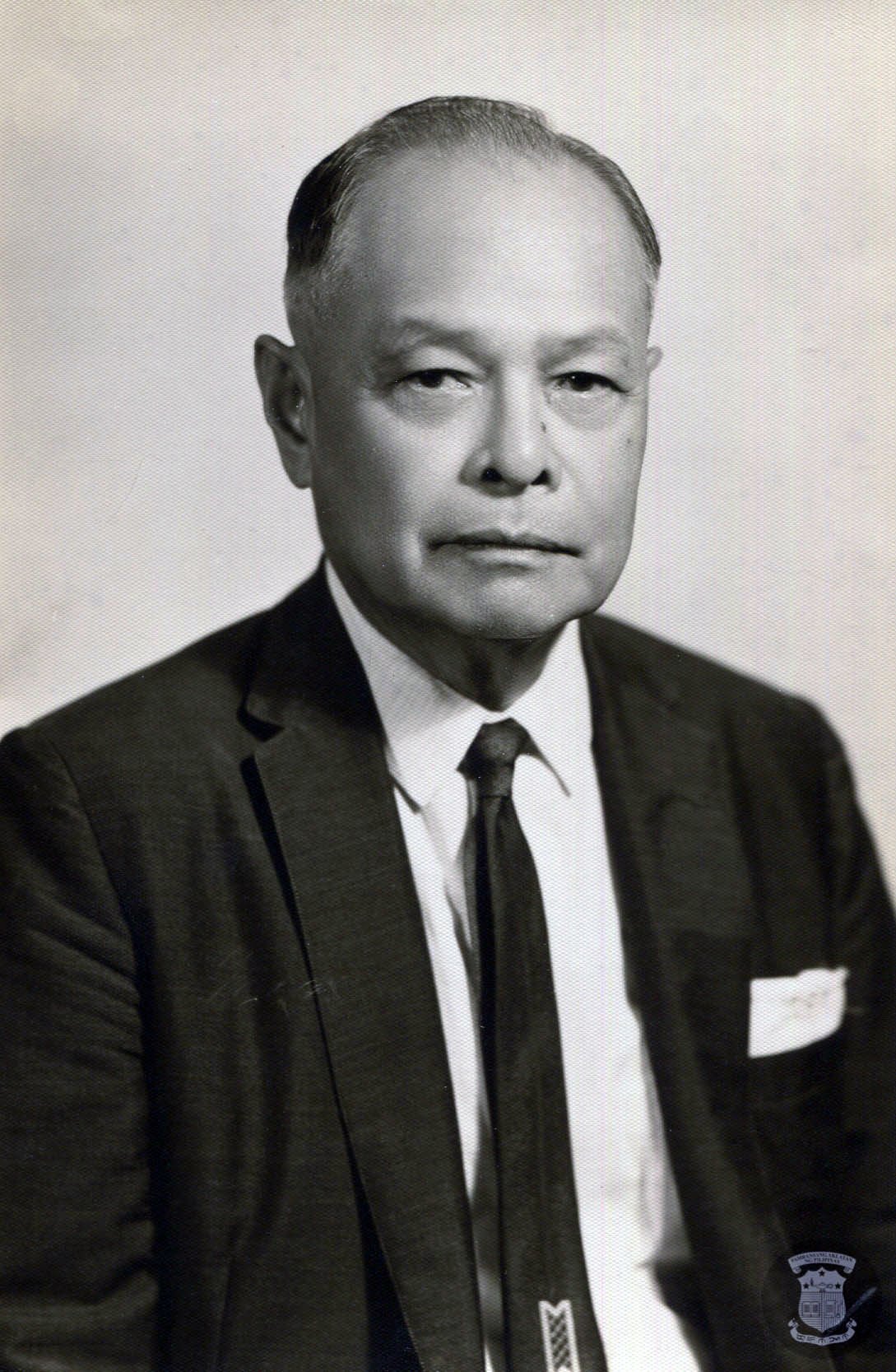
Eulogio Adona Rodriguez Sr., widely known as Amang, was born in Montalban, Rizal, on 21 January 1883. His early career was rooted in local administration. He served as municipal president of Montalban from 1906 to 1916, became governor of Rizal in 1916 and returned to the governorship in 1922. In 1923, Governor-General Leonard Wood appointed him mayor of Manila.
He also represented Nueva Vizcaya and later Rizal in the legislature. Appointment as secretary of agriculture and commerce in 1934, followed by a later appointment under Manuel Quezon, extended his experience into national administration. These successive offices explain the provincial and executive background he brought to the Senate, rather than reducing his career to its final leadership post.
Sources for this section: [1]
How Amang became a Nacionalista leader
Rodriguez’s early allegiance was to the Democrata opposition. The Senate’s biography places his move to the Nacionalista Party in the realignment surrounding the independence-law dispute of 1933. He subsequently became closely identified with the party’s organisation and leadership, acquiring the nickname Mr. Nacionalista.
The postwar chamber was competitive rather than permanently controlled by one bloc. In the 1947 Senate election, Rodriguez and Camilo Osias were the only two Nacionalista candidates elected against six Liberals, according to the Senate’s institutional history. Later divisions among Liberal leaders enabled opposition senators to influence changes of leadership. Rodriguez’s eventual authority developed within that shifting environment.
Two Senate presidencies, not one uninterrupted term
Rodriguez first held the Senate presidency from 30 April 1952 to 17 April 1953. The Senate’s Congress-by-Congress membership record supplies those dates and separately records Camilo Osias’s short leadership periods. Jose Zulueta also appears in the official roll for 1953. The broad label 1952–1963 therefore spans more than one Rodriguez presidency and must not be read as eleven uninterrupted years.
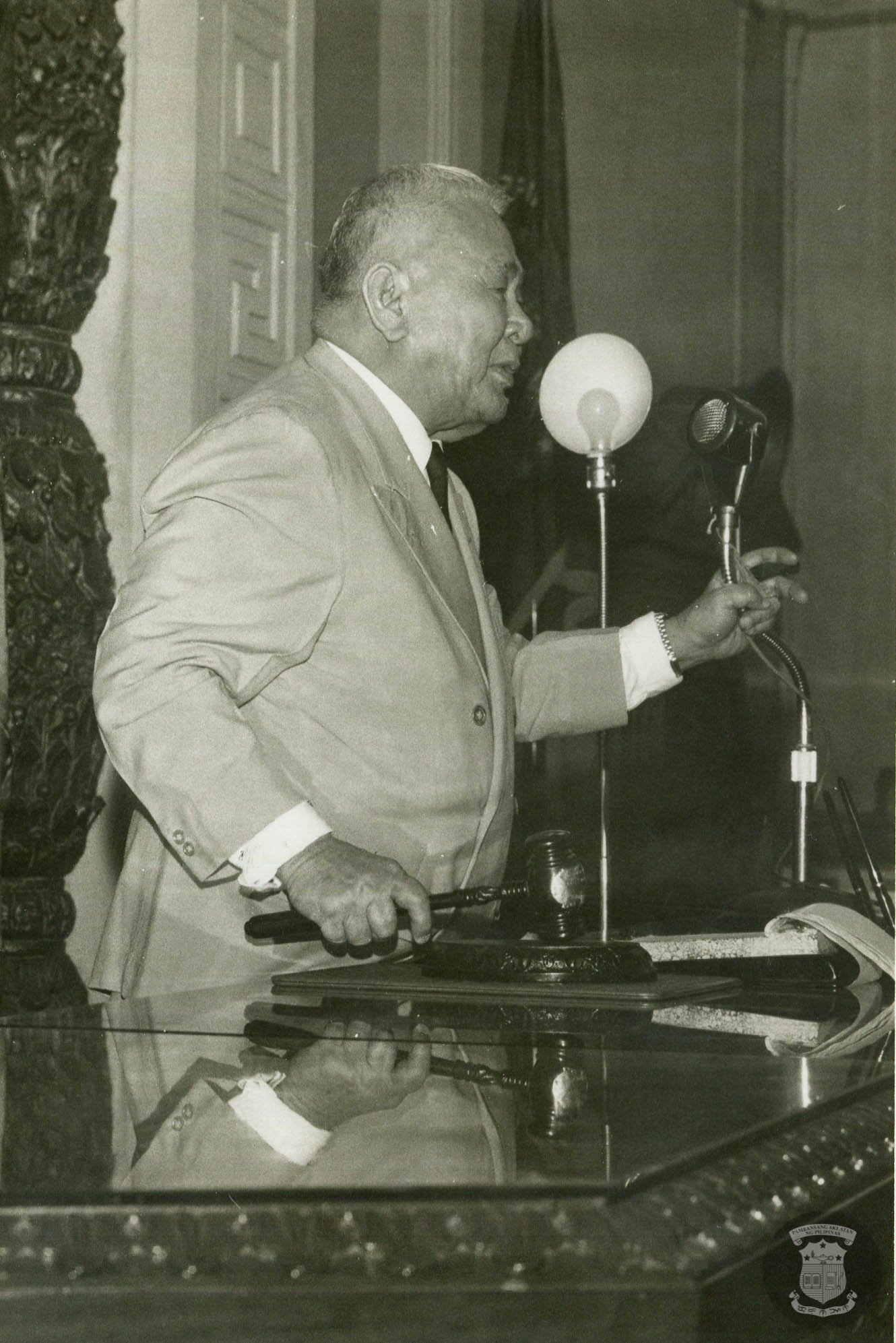
Rodriguez regained the chair later in 1953 and led the chamber through the Third and Fourth Congresses and into the Fifth. The membership lists identify him as presiding officer during the Magsaysay and Garcia years. A July 1960 Congressional Record also documents him calling the Senate to order, giving a contemporary view of the routine institutional work behind the leadership title.
His office was distinct from the presidency of the republic. The Senate president organised and presided over one legislative chamber, while national presidents directed the executive. His tenure crossed changes in the national administration, illustrating why a chamber’s internal majority and the result of a presidential election are related but separate questions.
Marcos’s succession and the hometown name
In 1963, Ferdinand Marcos replaced Rodriguez as Senate president. The Senate’s institutional account describes Marcos, then a Liberal leader, toppling the long-serving Nacionalista incumbent. The change demonstrated that even a durable presiding officer could lose the support required to retain the chair. Rodriguez died in December 1964, before Marcos won the national presidency in 1965.
In 1982, Batas Pambansa Blg. 275 changed Montalban’s name to Rodriguez. A later law, Republic Act No. 11812 of 2022, provided for restoring the name Montalban, but expressly made the renaming dependent on approval in a COMELEC-supervised plebiscite. The legislation alone does not establish the subsequent plebiscite outcome. His birthplace is consequently identified here by its historical name, without assuming that an enacted renaming automatically took effect.
Quick answers
Frequently asked questions about Eulogio Rodriguez Sr.
- Who was Eulogio Rodriguez Sr.?
- Eulogio Rodriguez Sr. was a long-serving Senate president and Nacionalista leader. Rodriguez was the longest-serving Senate president of the postwar chamber before martial law and a central organiser of the Nacionalista Party’s legislative power.
- What is Eulogio Rodriguez Sr. best known for?
- Eulogio Rodriguez Sr. is best known for leading the Senate across two periods between 1952 and 1963.
- When and where was Eulogio Rodriguez Sr. born?
- Eulogio Rodriguez Sr. was born on 21 January 1883 in Montalban, Rizal, Philippines.
- When did Eulogio Rodriguez Sr. die?
- Eulogio Rodriguez Sr. died on 9 December 1964.
Keep exploring
Lives connected to this story
- Camilo Osias
Follow the short Senate leadership periods surrounding Rodriguez’s first presidency.
- Jose Zulueta
Identify the other Senate president in the 1953 interruption.
- Ferdinand Marcos
Read the career of the senator who replaced Rodriguez in 1963.
Sources and further reading
Explore the evidence
These references support the biography and offer further reading. Official records, first-person accounts and independent reporting provide different perspectives; image records document attribution and licensing.
- 1. Senate of the PhilippinesEulogio Rodriguez — former Senate president
The archived biography’s 20 May 1953 accession claim conflicts with the Senate’s membership footnotes and leadership roll. The chronology here uses those institutional lists for the 1952–1953 interruption, not the biography’s continuous-tenure claim.
- 2. Senate of the PhilippinesPostwar party balance and Senate leadership changes
- 3. Senate of the PhilippinesCongressional Record, 15 July 1960: Rodriguez presiding
- 4. Supreme Court E-LibraryBatas Pambansa Blg. 275: Montalban renamed Rodriguez, 1982
- 5. The LawPhil ProjectRepublic Act No. 11812: proposed restoration of Montalban, subject to a plebiscite
Section 2 requires a plebiscite for the renaming to become effective. This review did not establish the subsequent plebiscite outcome and does not equate the 2022 law’s passage with a completed name change.
- 6. Senate of the PhilippinesOfficial roll of Senate presidents
- 7. Senate of the PhilippinesMembers of the Philippine Senate by Congress
- 8. Wikimedia CommonsPortrait and public-domain record