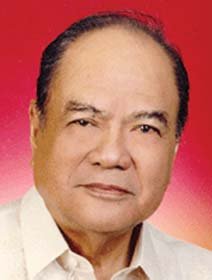

In this biography
Quick facts
- Born
- 11 December 1933
- Died
- 20 October 2019
- Birthplace
- Cagayan de Oro City, Philippines
- Country
- Philippines
- Nationality
- Filipino
- Known for
- Opposing the Marcos dictatorship and sponsoring the Local Government Code of 1991
- Cagayan de Oro mayor
- 1980–1984, with interruptions
- Interior minister
- 1986
- Senate service
- 1987–1992 and 1998–2010
- Senate president
- 2000–2001
Why this life matters
Pimentel joined anti-authoritarian resistance to durable institutional reform, especially decentralisation, local revenue powers and Mindanao representation.
Timeline
Key moments
Opposed authoritarian constitution-making
Served in the Constitutional Convention, refused to sign its final charter and was detained after martial law.
Won the Cagayan de Oro mayoralty
Used elected local office as a base for opposition to Marcos rule.
Led the local-government ministry
Helped reorganise local administration during the Aquino transition.
Elected to the restored Senate
Brought local government and democratic accountability into the new legislature.
Local Government Code enacted
The code devolved functions, revenue shares and authority to provinces, cities, municipalities and barangays.
Served as Senate president
Led the chamber during the Estrada impeachment crisis and transition to the Arroyo presidency.
A Mindanao oppositionist under martial law
Aquilino “Nene” Pimentel Jr. trained as a lawyer and represented Misamis Oriental in the 1971 Constitutional Convention. He opposed provisions that concentrated power under Ferdinand Marcos, refused to sign the resulting charter and endured detention more than once during the dictatorship.
His election as Cagayan de Oro mayor in 1980 made local government both a democratic foothold and a target of central pressure. Removal and reinstatement disputes strengthened his reputation as a persistent electoral and legal opponent of authoritarian rule.
Turning democratic transition into local autonomy
After People Power, President Corazon Aquino appointed Pimentel minister of local government. He then won a Senate seat in 1987 and sponsored the Local Government Code of 1991, one of the most consequential institutional laws of the post-EDSA era.
The code transferred responsibilities and revenue shares to local units and gave local executives and councils wider authority. Decentralisation did not eliminate patronage or regional inequality, but it permanently changed where public power and money were exercised.
Electoral accountability and Senate leadership
Pimentel returned to the Senate in 1998 after an earlier electoral protest established manipulation in the 1995 count. He later chaired accountability work, served as minority leader and led the chamber during part of the Estrada impeachment crisis.
Across government and opposition, his consistent causes were local autonomy, federalism, clean elections and checks on executive power. They made his career a bridge between the democratic resistance of the 1970s and institutional debates that continued decades after 1986.
Quick answers
Frequently asked questions about Aquilino Pimentel Jr.
- Who was Aquilino Pimentel Jr.?
- Aquilino Pimentel Jr. was a lawyer, local-government reformer and Senate president. Pimentel joined anti-authoritarian resistance to durable institutional reform, especially decentralisation, local revenue powers and Mindanao representation.
- What is Aquilino Pimentel Jr. best known for?
- Aquilino Pimentel Jr. is best known for opposing the Marcos dictatorship and sponsoring the Local Government Code of 1991.
- When and where was Aquilino Pimentel Jr. born?
- Aquilino Pimentel Jr. was born on 11 December 1933 in Cagayan de Oro City, Philippines.
- When did Aquilino Pimentel Jr. die?
- Aquilino Pimentel Jr. died on 20 October 2019.
Sources and further reading
How this biography was checked
Core dates and offices are checked against the sources below. This profile was last reviewed on 9 September 2026.