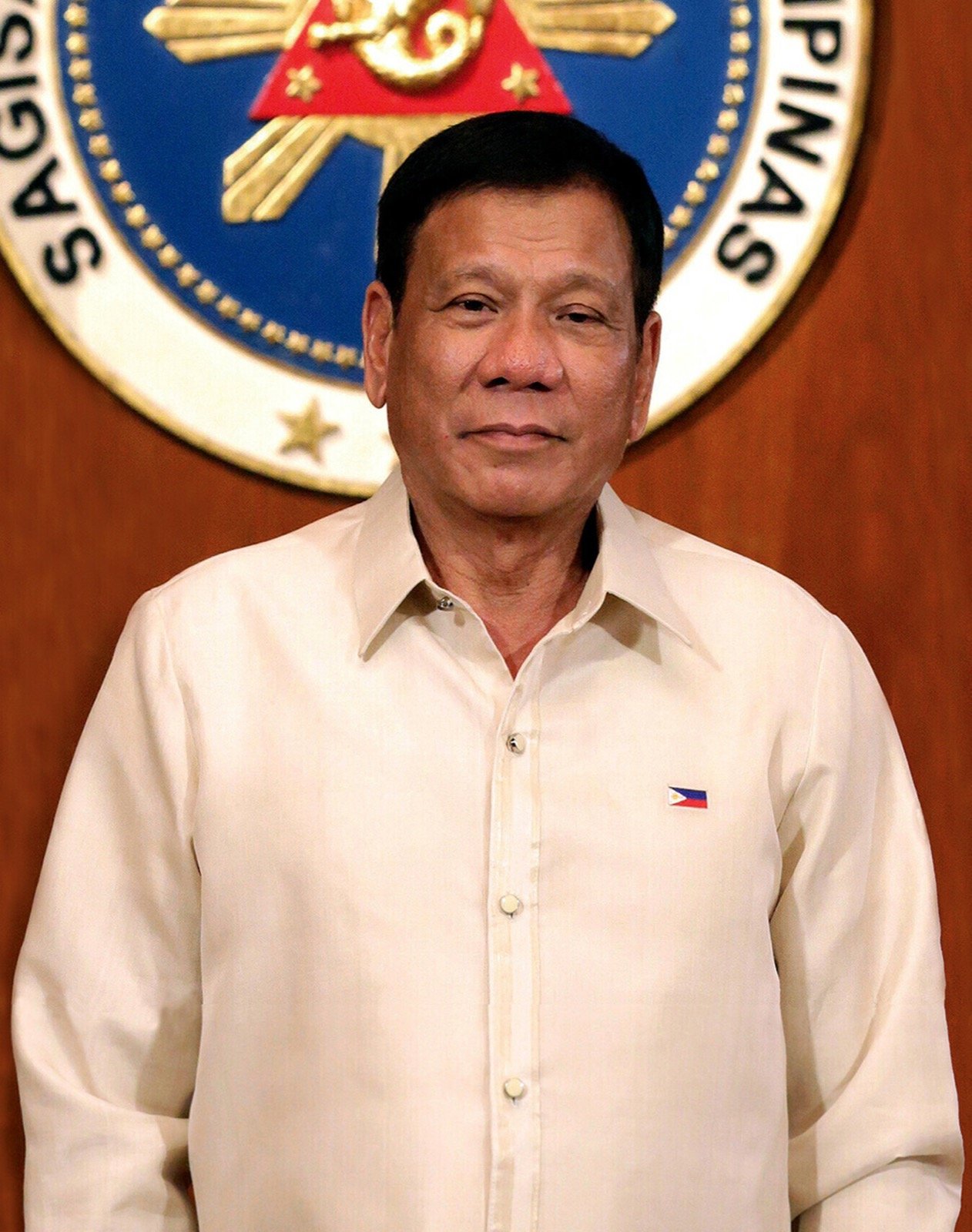
In this biography
Quick facts
- Born
- 13 September 1957
- Birthplace
- Santa Mesa, Manila, Philippines
- Country
- Philippines
- Nationality
- Filipino
- Known for
- Restoring the Marcos family to the presidency and reorienting foreign policy toward the United States and regional partners
- Full name
- Ferdinand Romualdez Marcos Jr.
- Office
- President since 30 June 2022
- Earlier offices
- Senator, representative and governor of Ilocos Norte
- Also known as
- Bongbong Marcos or BBM
Why this life matters
Marcos Jr.’s election returned a former ruling family to Malacañang and made historical memory, political dynasty and democratic resilience central questions of his presidency.
Timeline
Key moments
Born in Manila
Born on 13 September, the son of Ferdinand Marcos and Imelda Romualdez Marcos.
Provincial office
Served as Ilocos Norte vice governor and then governor during his father’s presidency.
House of Representatives
Returned to elected office as an Ilocos Norte representative after the family’s exile.
Governor and representative
Served as governor through 2007, then returned to the House.
Senator
Served one six-year Senate term.
Vice-presidential defeat and protest
Lost to Leni Robredo; the Presidential Electoral Tribunal dismissed his protest on 16 February 2021.
Presidential election and inauguration
Won the 9 May election, was proclaimed on 25 May and took office on 30 June.
Agrarian legislation and defence cooperation
Signed RA 11953; his administration also agreed to four additional EDCA locations.
A political heir with a provincial career
Ferdinand Romualdez Marcos Jr., commonly called Bongbong Marcos or BBM, was born in Manila on 13 September 1957. He is the son and namesake of Ferdinand Marcos, president from 1965 until the 1986 People Power Revolution, and Imelda Romualdez Marcos. His own early elected offices were in Ilocos Norte: vice governor from 1980 and governor from 1983.
After his father’s fall, the family left the Philippines. Marcos Jr. later rebuilt an electoral career through a House term from 1992 to 1995, the governorship from 1998 to 2007 and another House term from 2007 to 2010. These provincial and congressional offices preceded his six-year Senate term beginning in 2010, rather than a direct move from exile to the presidency.
The 2016 vice-presidential race and the court’s decision
Marcos lost the 2016 vice-presidential election to Leni Robredo and filed a protest before the Presidential Electoral Tribunal. The originally proclaimed margin was 263,473 votes. During revision and appreciation of ballots from three pilot provinces, Robredo’s lead increased to 278,566. These figures describe different stages of the electoral record, not two competing versions of the original count.
On 16 February 2021, the tribunal dismissed the protest. The decision explains the insufficiency of the case after examination of the selected provinces and its assessment of the other claims. Filing an election protest did not establish that fraud had been proved or that Marcos had won the vice-presidency. Robredo remained the winner of that election.
Sources for this section: [3]
The 2022 election and return of the Marcos family
In 2022, Marcos ran for president alongside vice-presidential candidate Sara Duterte under the UniTeam alliance. He won 31,629,783 votes in the 9 May election. Congress, sitting as the national canvassing body for the two offices, proclaimed the winners on 25 May. He took office on 30 June as the Philippines’ seventeenth president.
The victory brought the family back to the presidency thirty-six years after its removal from Malacañang. It was a separate election from the vice-presidential contest he had challenged. The election date, congressional proclamation and start of the presidential term are also separate milestones: winning in May did not mean that his constitutional service began on polling day.
Agrarian policy and expanded defence cooperation
One identifiable legislative measure of his presidency is Republic Act No. 11953, the New Agrarian Emancipation Act, signed on 7 July 2023. It provides for condonation of specified agrarian-reform debts and associated obligations. The law defines which liabilities and beneficiaries are covered; it should not be summarised as cancellation of every private agricultural debt or proof that all implementation was immediately complete.
His administration also agreed with the United States to designate four additional locations under the Enhanced Defense Cooperation Agreement in 2023, expanding the existing five. The joint announcement concerned access and cooperation under an existing agreement, not the creation of nine sovereign American territories. It is a concrete example of the presidency’s closer security cooperation with Washington.
Presidential authority and the historical record
Marcos’s public identity remains connected to debate over his father’s rule, but the historical abuses of that period are not merely an unresolved contest between family recollections. Republic Act No. 10368, enacted in 2013, formally recognises victims of gross human-rights violations during the former Marcos regime and establishes a reparations framework. That statute predates the son’s presidency.
A source-led biography must distinguish the two men, the documented record of the earlier regime and assessments of the present administration. Presidential communications confirm Marcos Jr.’s continued service at this review, but official descriptions of policy ambitions are not independent evidence of successful outcomes. His career is therefore presented through offices, election records, legislation and dated diplomatic decisions rather than a promotional summary of achievements.
Quick answers
Frequently asked questions about Ferdinand Marcos Jr.
- Is Bongbong Marcos the same person as Ferdinand Marcos Jr.?
- Yes. Bongbong and BBM refer to Ferdinand Romualdez Marcos Jr., the seventeenth Philippine president. He is distinct from his father, Ferdinand Marcos.
- When did Marcos Jr. become president?
- His term began on 30 June 2022. The election was held on 9 May and Congress proclaimed him on 25 May.
- What happened to his 2016 election protest?
- The Presidential Electoral Tribunal dismissed it on 16 February 2021. Robredo’s original 263,473-vote lead had increased to 278,566 after the pilot-province ballot review.
- What is the New Agrarian Emancipation Act?
- RA 11953, signed in July 2023, condones specified agrarian-reform debts and obligations for covered beneficiaries. It is not a blanket cancellation of every agricultural loan.
Keep exploring
Lives connected to this story
- Leni Robredo
Read about the winner of the 2016 vice-presidential race and Marcos’s 2022 presidential opponent.
- Sara Duterte
Follow the vice-president elected alongside Marcos in 2022.
- Ferdinand Marcos
Understand the father’s separate presidency and the regime removed in 1986.
Sources and further reading
Explore the evidence
These references support the biography and offer further reading. Official records, first-person accounts and independent reporting provide different perspectives; image records document attribution and licensing.
- 1. Senate of the PhilippinesFerdinand “Bongbong” Marcos Jr. — Senate biography
- 2. House of Representatives of the PhilippinesCongress proclaims the 2022 president-elect
- 3. The Lawphil ProjectMarcos Jr. v. Robredo — election protest decision
The decision distinguishes the original margin from the later pilot-province review and dismisses the protest; allegations are not presented as proven fraud.
- 4. Presidential Communications OfficeSONA 2026 — term enters final stretch
- 5. Wikimedia CommonsPortrait and licence record
- 6. Senate of the PhilippinesArchived résumé of Ferdinand Bongbong R. Marcos Jr.
The archived Senate résumé supplies dated provincial and House terms. Its old present-tense Senate status is not treated as current, and educational claims are not expanded beyond what was checked.
- 7. Philippine Information AgencyCongress proclaims the 2022 election winners
- 8. Philippine News Agency13 September 2022 birthday report and presidential vote total
- 9. Republic of the Philippines / LawphilRepublic Act No. 11953: New Agrarian Emancipation Act
- 10. Philippines–United States / Department of Defense2023 joint announcement: four additional EDCA sites
- 11. Republic of the Philippines / LawphilRepublic Act No. 10368: human-rights victims’ reparation and recognition
RA 10368 recognises abuses of the former regime. It is not described as legislation enacted by Marcos Jr. or as an individual criminal conviction of him.
- 12. Presidential Communications OfficeDated official releases, checked October 2026
The current PCO archive was checked for continued officeholding in October 2026. It is an administration source, not an independent policy evaluation. The former generic 2026 SONA timeline claim is replaced with specific verified milestones.