
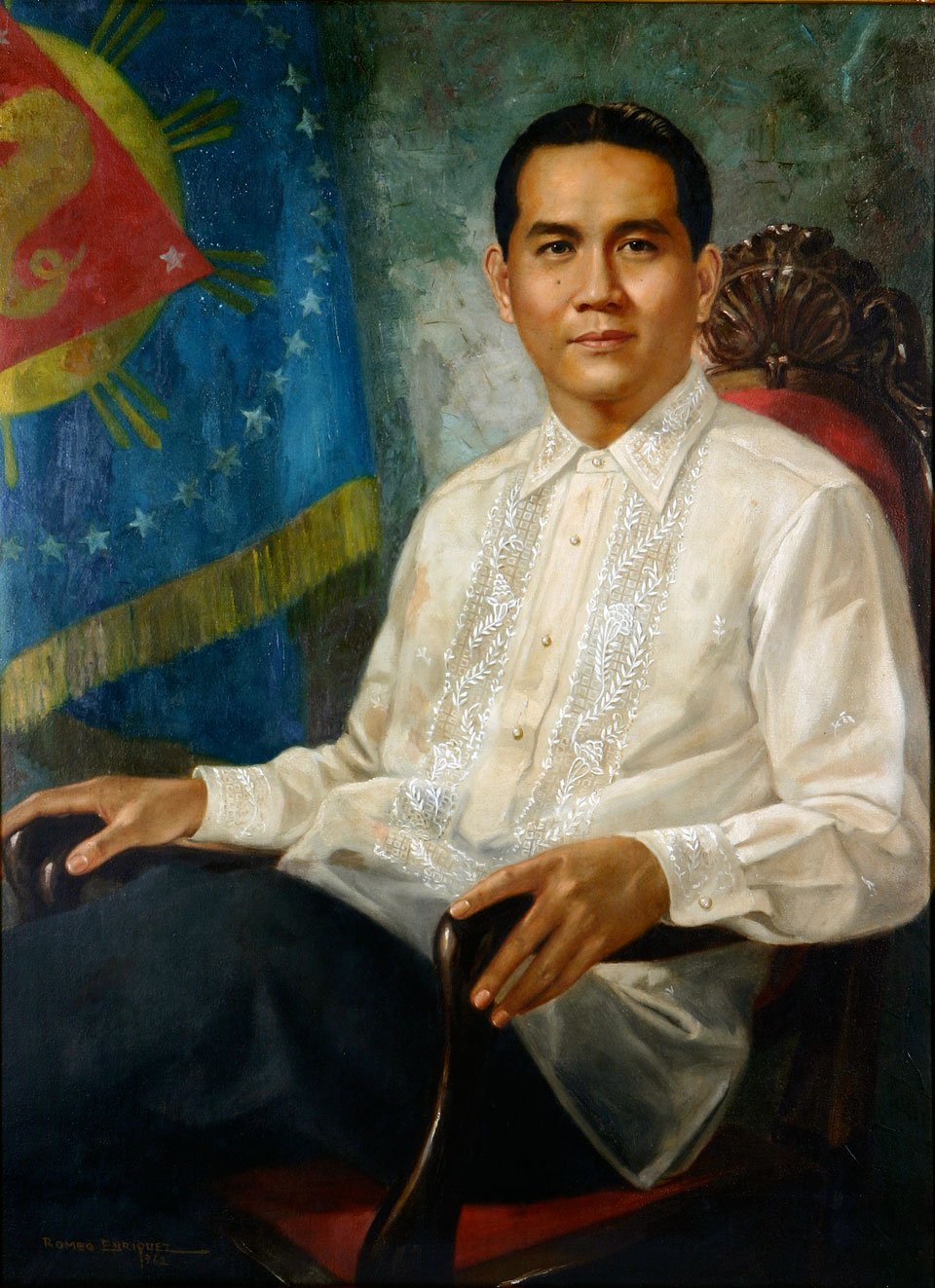
In this biography
Quick facts
- Born
- 28 September 1910
- Died
- 21 April 1997
- Birthplace
- Lubao, Pampanga, Philippines
- Country
- Philippines
- Nationality
- Filipino
- Known for
- Land reform, economic decontrol and restoring 12 June as Philippine Independence Day
- Office
- President, 1961–1965
- Earlier office
- Vice president, 1957–1961
- Major law
- Agricultural Land Reform Code of 1963
- Historic observance
- Philippine Independence Day on 12 June
Why this life matters
Macapagal tied liberal economic policy to an ambitious social-reform programme and reframed national memory by centring the 1898 declaration of independence.
Timeline
Key moments
Born in Lubao
Born in Pampanga on 28 September and raised in a family of modest means.
Topped the bar examination
Completed legal studies at the University of Santo Tomas and placed first in the national bar examination.
Elected to Congress
Began national elected office as representative for Pampanga’s first district.
Elected vice president
Won the vice presidency while belonging to the opposition Liberal Party.
Became president
Defeated incumbent Carlos P. Garcia and took office on 30 December.
Restored the 12 June observance
Proclamation No. 28 declared 12 June a special holiday commemorating the 1898 declaration of independence.
Signed the land reform code
Republic Act No. 3844 abolished agricultural share tenancy in law and created a leasehold framework.
From poverty to the presidency
Diosdado Macapagal grew up in Lubao, Pampanga, studied law and topped the 1936 bar examination. After diplomatic and legal work, he entered the House of Representatives in 1949 and won the vice presidency in 1957 despite serving under a president from a rival party.
Elected president in 1961, Macapagal presented his administration as a reform government. He removed foreign-exchange controls and argued that freer markets, cleaner administration and rural reform could widen opportunity beyond entrenched political and economic interests.
Land reform and the calendar of independence
The Agricultural Land Reform Code of 1963 abolished share tenancy as a matter of policy and established agricultural leasehold, credit and land-distribution institutions. Implementation remained limited by funding, administrative capacity and resistance from landowners, but the law became an important foundation for later agrarian reform.
Macapagal also used Proclamation No. 28 to make 12 June the central observance of independence, recalling Emilio Aguinaldo’s 1898 declaration rather than the 4 July 1946 transfer of sovereignty from the United States. He lost the 1965 election to Ferdinand Marcos and later presided over the 1971 Constitutional Convention.
Quick answers
Frequently asked questions about Diosdado Macapagal
- Who was Diosdado Macapagal?
- Diosdado Macapagal was a president of the Philippines, 1961–1965. Macapagal tied liberal economic policy to an ambitious social-reform programme and reframed national memory by centring the 1898 declaration of independence.
- What is Diosdado Macapagal best known for?
- Diosdado Macapagal is best known for land reform, economic decontrol and restoring 12 June as Philippine Independence Day.
- When and where was Diosdado Macapagal born?
- Diosdado Macapagal was born on 28 September 1910 in Lubao, Pampanga, Philippines.
- When did Diosdado Macapagal die?
- Diosdado Macapagal died on 21 April 1997.
Sources and further reading
How this biography was checked
Core dates and offices are checked against the sources below. This profile was last reviewed on 8 September 2026.


