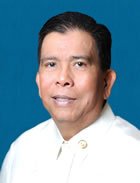

In this biography
Quick facts
- Born
- 4 July 1928
- Birthplace
- San Juan, Rizal, Philippines
- Country
- Philippines
- Nationality
- Filipino
- Known for
- Anti-corruption investigations, opposition to authoritarian rule and service as vice president after EDSA II
- Commission on Audit chair
- 1986–1987
- Senate service
- 1987–1995 and 1998–2001
- Justice secretary
- 1995–1998
- Vice president
- 2001–2004
Why this life matters
Guingona’s career connected anti-authoritarian activism, legislative investigation and the difficult executive coalitions of post-EDSA government.
Timeline
Key moments
Opposed authoritarian rule
Served in the Constitutional Convention and worked through civic and opposition networks during the Marcos years.
Chaired the Commission on Audit
Joined the transition government with responsibility for public financial accountability.
Won election to the Senate
Became a leading figure in Blue Ribbon investigations and majority leadership.
Held senior executive posts
Served as executive secretary and then justice secretary under President Fidel V. Ramos.
Returned to the Senate
Led the minority during the Estrada administration and supported the impeachment case.
Became vice president
Congress confirmed him after Gloria Macapagal Arroyo succeeded to the presidency.
Mindanao experience and resistance to dictatorship
Teofisto “Tito” Guingona Jr. grew up across Mindanao and studied law at Ateneo de Manila. He joined the 1971 Constitutional Convention and later worked through civic, business and opposition organisations while the Marcos government restricted electoral politics.
He and members of his family were detained during the dictatorship. His public identity emerged from that resistance, but his later career would be defined equally by the practical problems of building audit, justice and legislative institutions after 1986.
Oversight in the Senate and enforcement in the cabinet
Corazon Aquino appointed Guingona chair of the Commission on Audit before he won a Senate seat in 1987. In the chamber he became associated with the Blue Ribbon Committee, public investigations and the effort to make restored legislative oversight consequential.
Under Fidel V. Ramos, Guingona served as executive secretary and justice secretary. The move from investigator to executive official tested the same accountability principles inside agencies responsible for enforcement and administration.
Minority leadership, EDSA II and the vice presidency
Guingona returned to the Senate in 1998 as an opposition leader and supported the constitutional case against President Joseph Estrada. After EDSA II, Congress confirmed him as vice president and he also initially held the foreign-affairs portfolio.
He later broke publicly with President Arroyo over foreign and security policy. The split reflected a recurring post-EDSA tension: broad coalitions could remove or replace leaders, but governing them required agreement on the limits of presidential power.
Quick answers
Frequently asked questions about Teofisto Guingona Jr.
- Who is Teofisto Guingona Jr.?
- Teofisto Guingona Jr. is a senator, justice secretary and vice president. Guingona’s career connected anti-authoritarian activism, legislative investigation and the difficult executive coalitions of post-EDSA government.
- What is Teofisto Guingona Jr. best known for?
- Teofisto Guingona Jr. is best known for anti-corruption investigations, opposition to authoritarian rule and service as vice president after EDSA II.
- When and where was Teofisto Guingona Jr. born?
- Teofisto Guingona Jr. was born on 4 July 1928 in San Juan, Rizal, Philippines.
Sources and further reading
How this biography was checked
Core dates and offices are checked against the sources below. This profile was last reviewed on 9 September 2026.
- Senate of the PhilippinesTeofisto Guingona Jr. former senator profile
- Supreme Court of the Philippines via LawPhilTolentino v. COMELEC — Guingona confirmation and Senate vacancy
- Supreme Court of the Philippines via LawPhilEstrada v. Desierto — EDSA II and succession
- Wikimedia CommonsPortrait and licence record