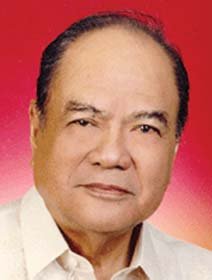
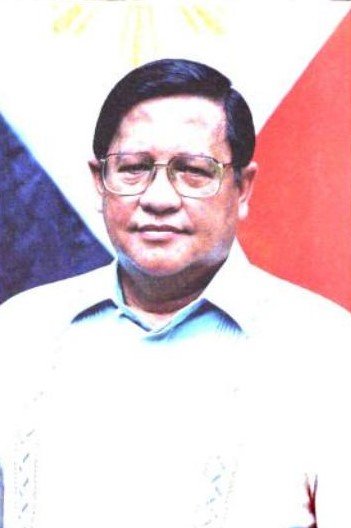
In this biography
Quick facts
- Born
- 26 October 1941
- Died
- 5 August 2005
- Birthplace
- Naga City, Camarines Sur, Philippines
- Country
- Philippines
- Nationality
- Filipino
- Known for
- Advancing women’s rights legislation and campaigning for reform-oriented government
- House service
- 1987–1992
- Senate service
- 1992–1998
- Education secretary
- 2001–2002
- Presidential campaigns
- 1998 and 2004
Why this life matters
Roco linked rights-based lawmaking, education reform and outsider presidential politics during the democratic decades after 1986.
Timeline
Key moments
Joined the Constitutional Convention
Entered national public service as a young delegate from Camarines Sur.
Elected to the House
Represented Camarines Sur as the restored Congress began its work.
Won a Senate seat
Moved into the first Senate chosen alongside a post-EDSA presidential election.
Rights protections became law
Measures associated with his legislative agenda addressed sexual harassment and rape law reform.
First presidential campaign
Ran on a platform centred on education, competence and political reform.
Became education secretary
Joined Gloria Macapagal Arroyo’s cabinet after EDSA II before later returning to opposition politics.
From constitutional law to the restored Congress
Raul Sagarbarria Roco was educated in Naga and Manila before studying comparative law at the University of Pennsylvania. His first national office was the 1971 Constitutional Convention, and he later worked on the legal staff of opposition senator Benigno Aquino Jr.
Roco entered the restored House of Representatives in 1987. His experience in constitutional law and agrarian legislation placed him among the lawyers translating the post-EDSA charter into statutes and congressional practice.
A Senate record centred on women’s legal equality
Elected to the Senate in 1992, Roco became closely associated with laws on women’s participation, sexual harassment and the classification of rape as a crime against persons. Those measures widened the legal vocabulary for equality and workplace accountability.
The statutes were collective legislative achievements, not the work of one person alone. Roco’s importance lies in making gender equality a sustained part of his programme and helping carry contested proposals through Congress.
Education, presidential campaigns and reform politics
Roco ran for president in 1998 and again in 2004, building an image around competence, youth participation and institutional reform. He did not break the dominance of larger coalitions, but his campaigns created a national constituency for programmatic politics.
As education secretary in 2001–2002, he promoted administrative reform and the use of technology in schools. His career ended with illness in 2005, leaving a legacy strongest in rights legislation and the possibility of a reform campaign outside entrenched machines.
Quick answers
Frequently asked questions about Raul Roco
- Who was Raul Roco?
- Raul Roco was a lawyer, legislator and education secretary. Roco linked rights-based lawmaking, education reform and outsider presidential politics during the democratic decades after 1986.
- What is Raul Roco best known for?
- Raul Roco is best known for advancing women’s rights legislation and campaigning for reform-oriented government.
- When and where was Raul Roco born?
- Raul Roco was born on 26 October 1941 in Naga City, Camarines Sur, Philippines.
- When did Raul Roco die?
- Raul Roco died on 5 August 2005.
Sources and further reading
How this biography was checked
Core dates and offices are checked against the sources below. This profile was last reviewed on 9 September 2026.