In this biography
Quick facts
- Born
- 23 March 1889
- Died
- 20 May 1976
- Birthplace
- Balaoan, La Union, Philippines
- Country
- Philippines
- Nationality
- Filipino
- Known for
- Two brief periods as Senate president during the leadership changes of 1952 and 1953
- Senate president
- 17–30 April 1952; 17 April–20 May 1953
- U.S. Congress
- Resident commissioner, 1929–1935
- University leadership
- President, National University, 1921–1934
- Early profession
- Teacher and schools administrator
Why this life matters
Osias brought education policy and international representation into a career that crossed colonial, wartime and post-independence institutions.
Timeline
Key moments
Studied in the United States
Joined the government pensionado programme and trained for a career in education.
Advanced through public education
Worked as a teacher and became one of the first Filipino division superintendents of schools.
Led National University
Served as the university’s first Filipino president while remaining active in public affairs.
Served in the U.S. House
Represented the Philippines as a nonvoting resident commissioner during independence negotiations.
First Senate presidency
Replaced Quintin Paredes before Eulogio Rodriguez assembled a new majority.
Returned as Senate president
Served a second short period before Jose Zulueta took the chair.
Education as public service
Osias was selected for the pensionado programme that sent Filipino students to the United States. He returned to a public school system still shaped by colonial policy and rose from classroom work into senior administration.
At National University he combined institutional leadership with writing and education advocacy. His career reflected a generation that treated mass schooling as both a route to social mobility and a foundation for national self-government.
Washington, the legislature and occupation
As resident commissioner, Osias spoke for the Philippines in Washington during the debate over the terms and timing of independence. He later served in the National Assembly and Senate, moving between education, diplomacy and electoral politics.
He also held office in the Japanese-sponsored government during occupation. That record belongs to the broader, contested history of wartime political participation and should be read alongside the constraints and consequences of collaboration-era service.
Two short Senate presidencies
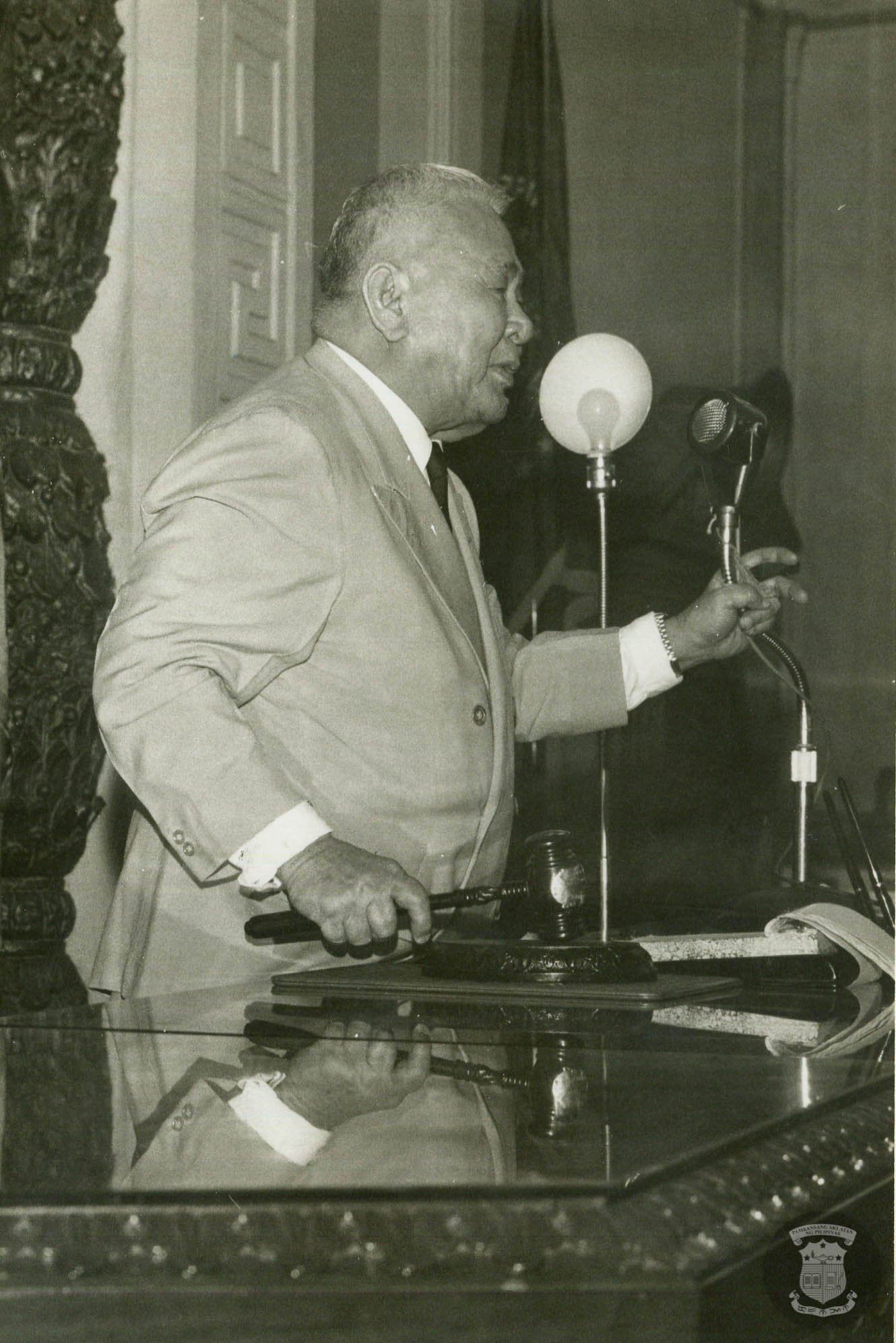
Osias first led the Senate for thirteen days in April 1952. He returned for just over a month in 1953, during a sequence in which shifting coalitions repeatedly changed the presiding officer without a national election.
The brevity of those terms can obscure the scale of his earlier career. Osias is important not only as a name in a leadership list but as a figure linking the education system, independence advocacy and the political institutions of three eras.
Quick answers
Frequently asked questions about Camilo Osias
- Who was Camilo Osias?
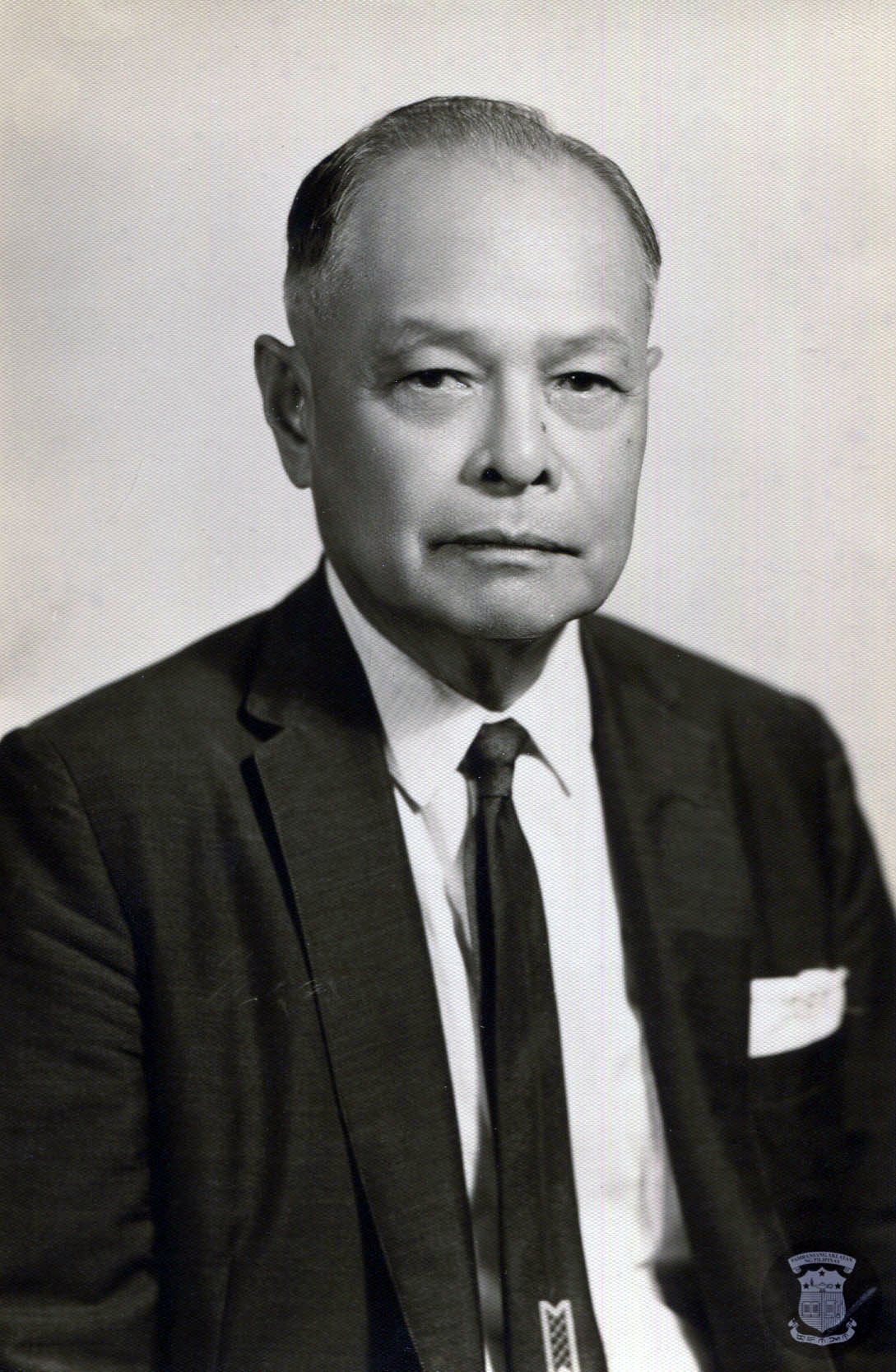
- Camilo Osias was an educator, resident commissioner and Senate president. Osias brought education policy and international representation into a career that crossed colonial, wartime and post-independence institutions.
- What is Camilo Osias best known for?
- Camilo Osias is best known for two brief periods as Senate president during the leadership changes of 1952 and 1953.
- When and where was Camilo Osias born?
- Camilo Osias was born on 23 March 1889 in Balaoan, La Union, Philippines.
- When did Camilo Osias die?
- Camilo Osias died on 20 May 1976.
Sources and further reading
How this biography was checked
Core dates and offices are checked against the sources below. This profile was last reviewed on 9 September 2026.